The debate on traditional gender roles has taken a turn
A new study suggests that a larger proportion of younger men in Singapore hold traditional views of masculinity than older generations. CNA TODAY looks into what is shaping these beliefs and what this means for men and women alike.
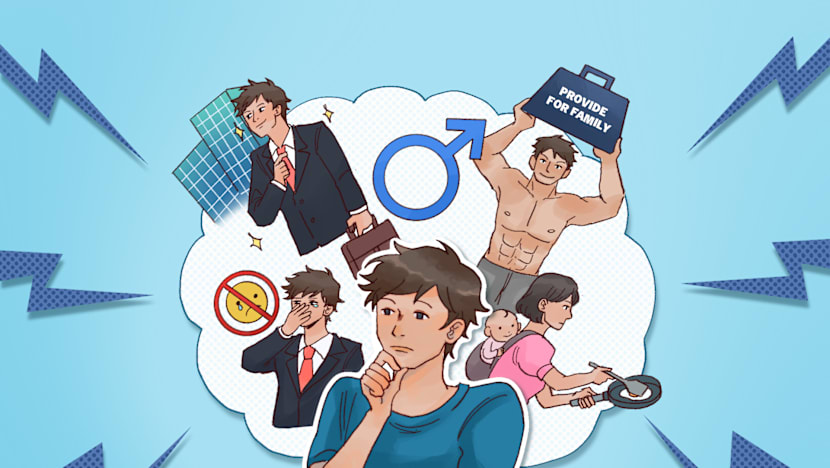
A new study reveals that a growing number of younger men in Singapore are holding onto traditional views of masculinity and gender roles. For 19-year-old Jonathan, being a man means being a provider and protector, commanding respect and being a leader. He acknowledges that these views are controversial but believe they stem from his upbringing. His father, the sole breadwinner and an engineer, handles major household decisions, while his mother focuses on raising Jonathan and his sister.
Influencers like American Adin Ross and Andrew Tate have reinforced Jonathan's beliefs about what an ideal man should be like. Tate, a misogynist and social media influencer, encourages young men like Jonathan to "man up." Meanwhile, Chris Lim, a 44-year-old IT manager, grew up with traditional gender roles but now aims to show his teenage sons a different way to express masculinity.
He believes that taking care of children is not solely a woman's role and that being emotionally vulnerable and present with loved ones is a positive aspect of masculinity.
The trend of younger men holding more traditional views is not unique to Singapore. A 2026 study by Ipsos and the Global Institute for Women’s Leadership found that 31% of Gen Z men agreed that a wife should always obey her husband, compared to 18% of Gen Z women. A third of Gen Z men also believe a husband should have the final say on important decisions.
AWARE, a Singaporean organization, expressed concern that while men claim to believe in equality, they stop short when it comes to bodily autonomy, with more than a third of respondents believing men cannot control themselves when aroused.
Written by urgent.news from Channel News Asia's reporting — not their text. Machine-written — may contain errors; check the original before relying on it.