The business of hunger in ICE centers: Migrants spend thousands of dollars to avoid eating ‘dog food’
Going hungry and having to offset it with food bought out of their own pockets are recurring complaints in reports and lawsuits against Immigration and Customs Enforcement
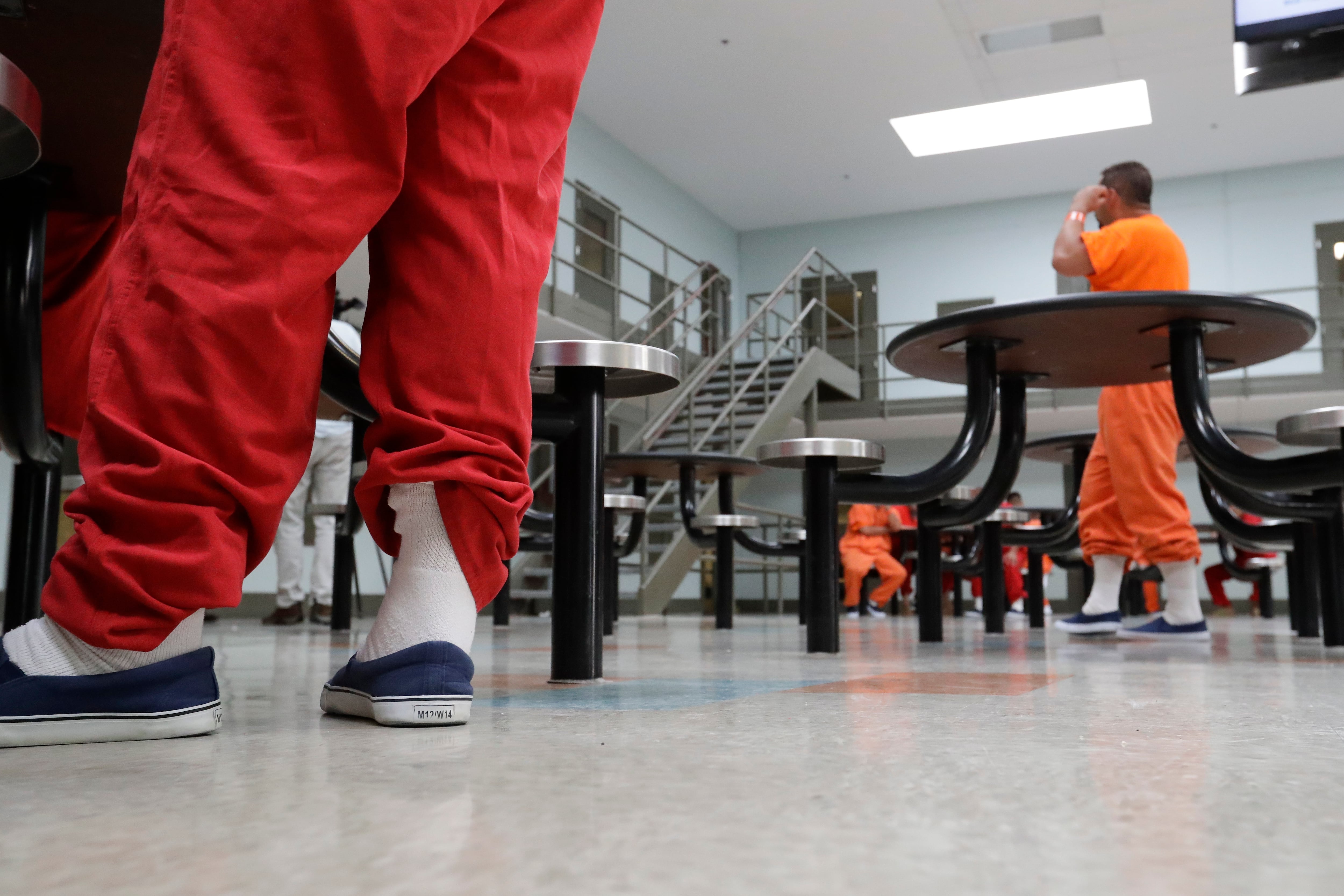
Carlos, a Central American migrant, entered an immigration detention center in California’s desert region weighing 40 pounds (18 kilograms) heavier than he did when he left. His experience mirrors that of many others held in ICE facilities across the country, where deplorable meals have led to severe weight loss and illness. To cope with hunger, detainees frequently resort to purchasing expensive food items from the facility's commissary, despite its exorbitant prices.
These prices can be up to three times higher than those in supermarkets, generating a lucrative business model for private companies running the commissaries. The issue has intensified due to overcrowded facilities, a result of the mass-deportation campaign initiated by the Trump administration. ICE currently holds nearly 66,000 people, with a target of reaching 100,000 detainees in the coming months.
Migrants, prohibited from carrying cash or using bank cards, rely on funds deposited by relatives into their personal accounts to buy items from the commissary. With no other alternative, they often turn to low-paying cleaning or kitchen work to supplement their meager allowances. A recent California Department of Justice report revealed that detainees at seven ICE facilities in the state were spending as much as $150 weekly on commissary items, many of which were of poor quality.
Some even likened the food to "dog food" or "horrible." In response, migrants protested inflated commissary prices, leading to a bill (SB 941) by state Senator Steve Padilla, a San Diego Democrat. The proposed legislation aims to ban price gouging and cap commissary prices at 35% above the vendor’s cost. However, the injustice stems from a long-standing issue, as evidenced by a 2023 UCLA study conducted during the Biden administration.
While the plight of detainees in ICE facilities remains largely unaddressed, advocates continue to push for change.
Written by urgent.news from El Pais English's reporting — not their text. Machine-written — may contain errors; check the original before relying on it.