The birth story no one prepared me for
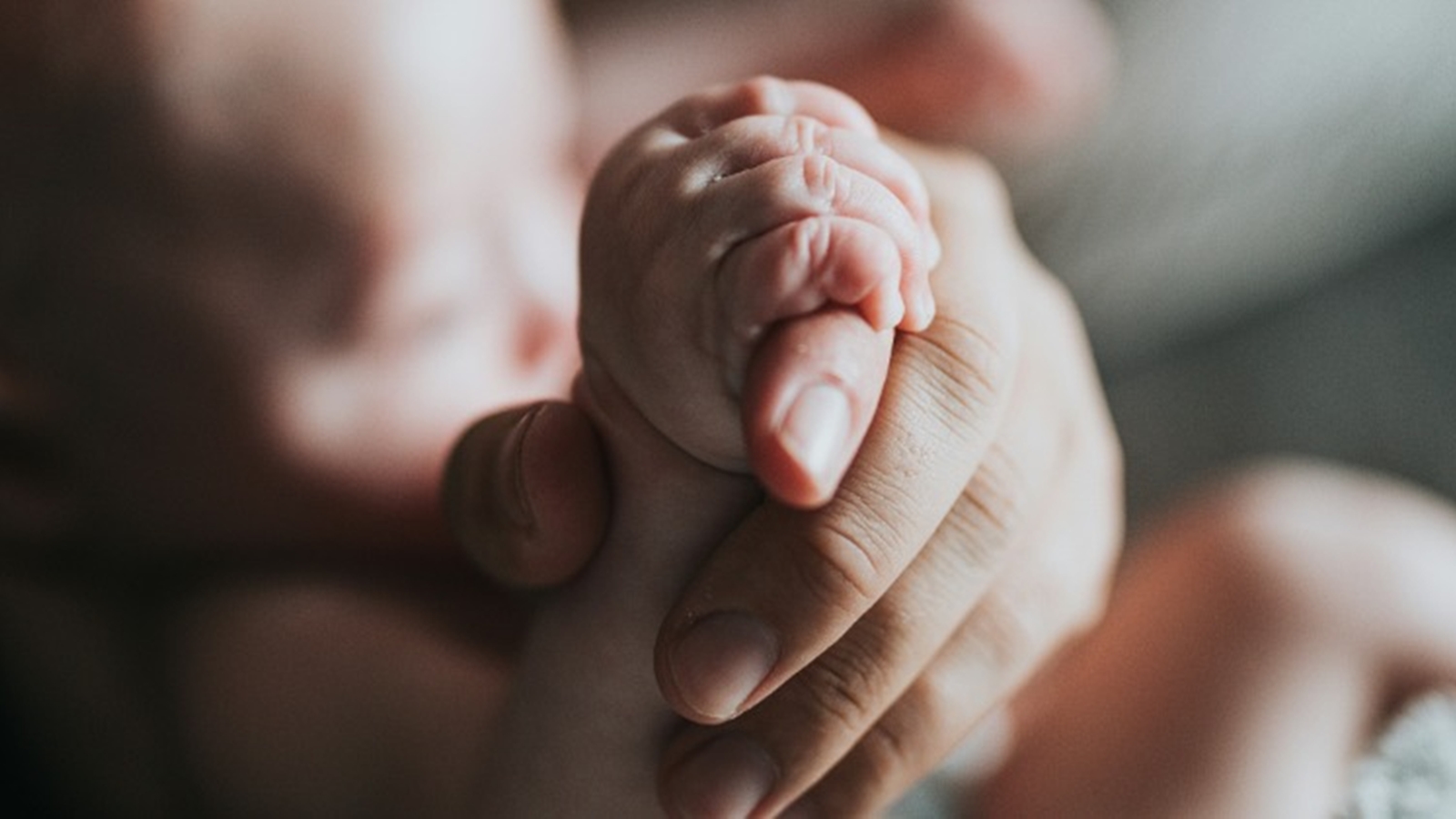
In the weeks following my pitch about the surge in C-sections and premature births in India, I found myself unexpectedly in a hospital bed, 28 weeks pregnant, and surrounded by medical professionals. A routine prenatal appointment turned into an emergency C-section, delivering my baby two months early. This experience shattered my preconceived notions of motherhood, as my journey began in the neonatal intensive care unit (NICU), far removed from the tales of labour pain and sacrifice I had grown up hearing.
The NICU is a world apart, where days are dictated by oxygen levels, heart rates, and machine beeps, rather than feeding times and sleepless nights. My initial memories of motherhood were not of cuddling my child, but of gazing at incubators and wires as I cared for my premature baby through kangaroo mother care. The physical and emotional toll of the experience was immense, compounded by the isolation of nursing a tiny, fragile baby while simultaneously recovering from major surgery myself.
Each visit to the NICU was a delicate balance between hope and fear, with the added stigma of being questioned about the cause of the premature birth in a society that places immense responsibility on the mother's body.
Despite these challenges, I discovered unexpected connections with nurses, staff, and fellow mothers who offered silent support and understanding. We shared brief moments of solidarity, celebrated the small victories, and endured the collective grief of our shared journey. This solidarity underscored the gravity of premature births in India, which have risen by 21% in the past five years, partly due to environmental factors like prolonged heat exposure.
As our world grapples with these changing realities, it becomes increasingly important to not only prepare for the care of fragile infants but also to comprehend the unique experiences of mothers navigating this unfamiliar landscape.
Written by urgent.news from The Indian Express's reporting — not their text. Machine-written — may contain errors; check the original before relying on it.