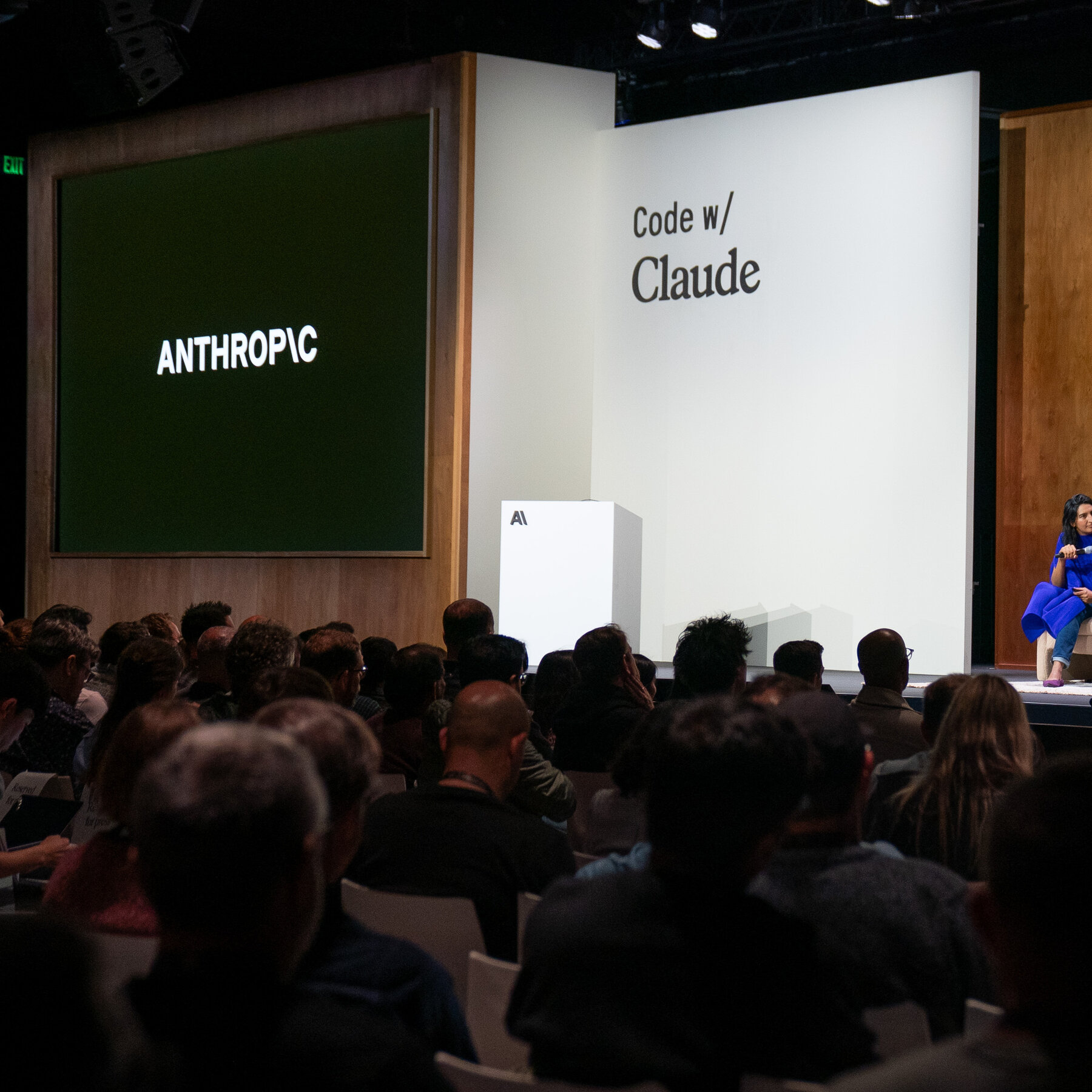
The best argument against my MCP server came from Anthropic
Building in public You know the risk before you start. Everyone tells you: do not build something the platform could ship. You build it anyway, because you need it and nobody has it. Then one Tuesday the release notes arrive. What the months actually looked like I want to be precise about the cost, because the cost is the reason the release notes hit the way they did. Two hours of sleep on a…
The best argument against my MCP server came from Anthropic. Building something the platform could potentially ship is a risk, the source notes. However, the author built a memory layer for AI coding assistants to save learned information and improve subsequent tasks. This feature ran over MCP and was consistent across editors, tools, and restarts.
The author's motivation was to avoid explaining his four servers to AI assistants daily. When Anthropic released memory into Claude Code, the author realized his feature was unnecessary. The fear of his server being redundant was rational, stemming from distribution and trust issues. The author questioned whether his memory server provided unique value.
To test this, he created a script that compares the recall of a fact between sessions. The script runs a question multiple times and checks if the answer remains consistent. If the recall ratio is high (e.g., 10/10), it indicates successful memory retention. The author ran the test against Anthropic's memory and his own server. The result surprised him, as it turned out that his server performed better than expected.
This unexpected outcome provided a solid reason to continue developing and maintaining his MCP server.
Written by urgent.news from Dev.to's reporting — not their text. Machine-written — may contain errors; check the original before relying on it.