Taiwanese delegation calls for redesign, repair, recycle of electronics to reduce e-waste
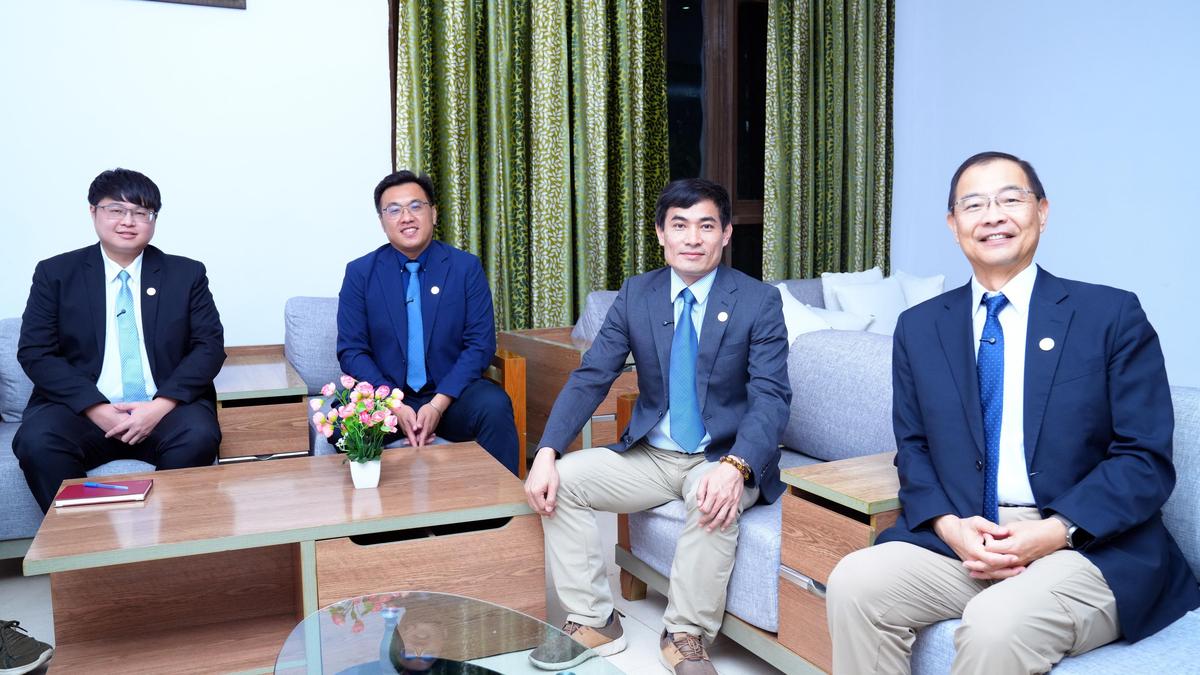
Taiwan's academic delegation advocated for redesigning electronic products to make their repair, durability, and recycling easier, in order to turn growing e-waste into valuable resources for India, said Prof. Lin Chun-Wei, Dean of Academic Affairs and International Affairs at Asia University. Adopting a circular-economy approach would allow for repairability and modularity, reducing waste and increasing product lifespan.
Prof. Lin also suggested improved recycling technologies to recover valuable metals and consumer incentives such as store take-back programs and refunds. Collaboration between Taiwan's expertise in e-waste processing and India's strengths in physics and chemistry could lead to better recycling and material-recovery methods, generating employment opportunities.
The partnership could also extend to other fields like bioinformatics, hospitals, genomic studies, and cloud computing. Meanwhile, Dr. Ying-Rong Ho emphasized the need for Indian students to acquire both theoretical knowledge and hands-on experience in semiconductor devices, fabrication, packaging, and testing. Prof. Dr. Ching-Hsien Hsu proposed leveraging cloud and edge AI to reduce latency and bandwidth costs, making digital services more accessible in rural areas.
Finally, Prof. Dr. Charles C.N. Wang suggested cooperation in bioinformatics, precision medicine, and smart healthcare to enable earlier disease detection and more personalized treatment.
Written by urgent.news from The Hindu's reporting — not their text. Machine-written — may contain errors; check the original before relying on it.