Supreme Court dismisses PIL petition that challenged death by hanging | Explained
The central question before the Supreme Court was whether prescribing a single method of execution, hanging, conforms to the constitutional requirement of a procedure that is just, fair and reasonable
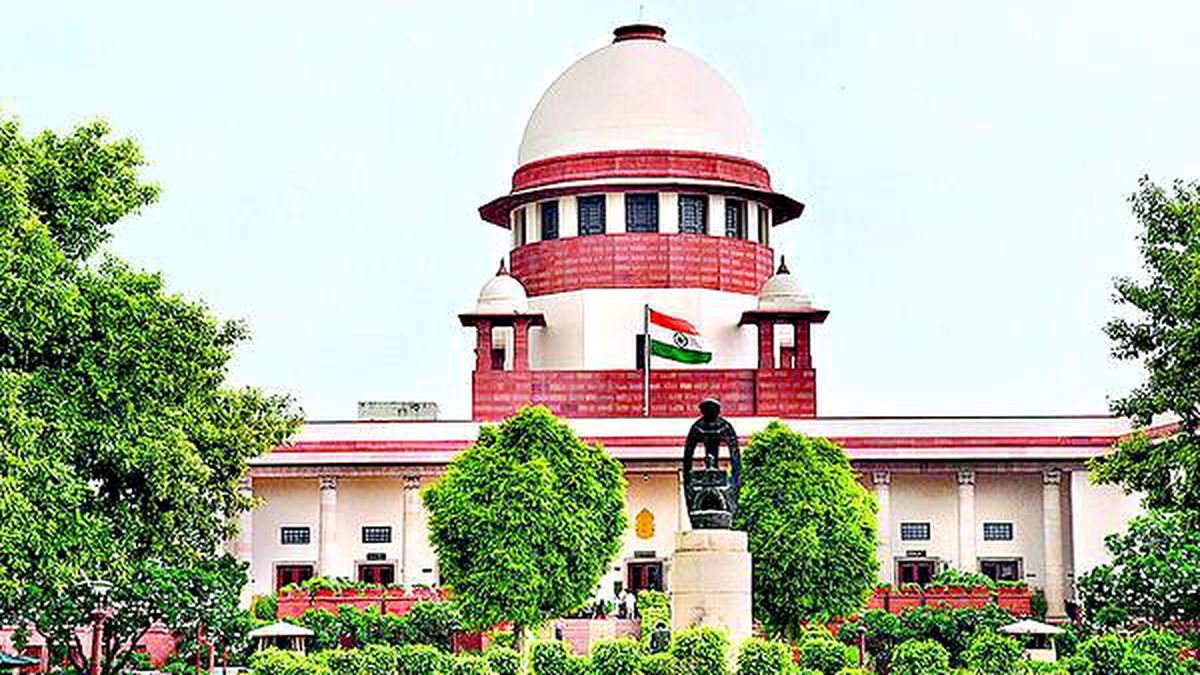
On August 18, the Supreme Court ruled against a petition that challenged the constitutional validity of death by hanging, maintaining that the method remains valid. The Court found no compelling scientific evidence to support alternatives such as lethal injection as being more humane. The case was heard by Justices Vikram Nath and Sandeep Mehta.
The petitioner questioned the constitutionality of Section 354(5) of the Code of Criminal Procedure, which mandates hanging as the sole method of execution. The Court examined whether this single-method approach complies with the constitutional requirement for a fair and reasonable procedure. Hanging, first prescribed by the Code of Criminal Procedure, was intended to cause a cervical vertebra fracture, leading to immediate unconsciousness and death.
The issue of whether hanging is a humane method of execution has been debated by various institutions. The Law Commission of India, in reports from 1967 and 2003, acknowledged the need for a humane and painless method but did not recommend an immediate change, citing the necessity for further advances in science and technology. The petitioner also argued that the right to life under Article 21 included a dignified life until the end of one's natural life.
However, the Court did not find conclusive evidence that alternative methods, like lethal injection, were demonstrably more humane or painless. Upholding the principle of stare decisis, the Court dismissed the challenge to hanging as the prescribed method, acknowledging that it had been settled by a larger and subsequently approved decision.
Written by urgent.news from The Hindu's reporting — not their text. Machine-written — may contain errors; check the original before relying on it.