South Korean city bets on the ocean to solve its AI data center crisis — but this is only the beginning
Ulsan and KIOST are testing a $37 million underwater data center cooled by cold seawater instead of electricity.
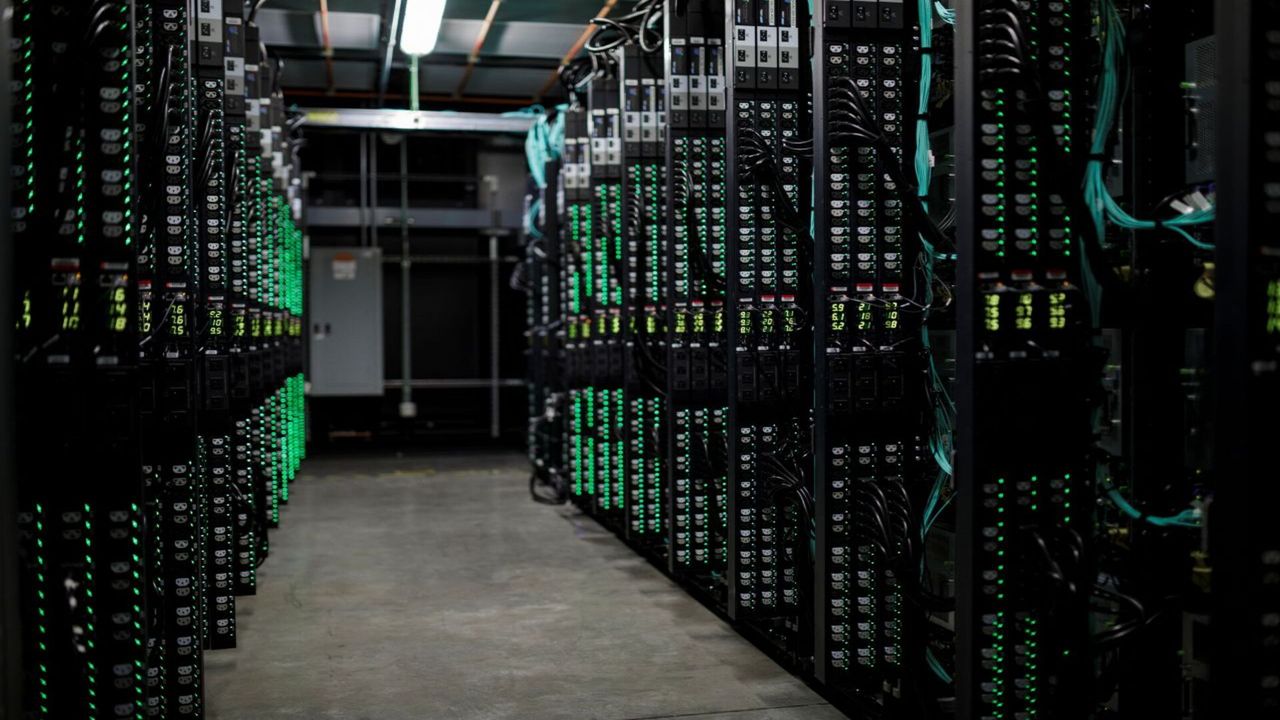
Ulsan, a South Korean city, is testing underwater data centers to tackle the growing strain on land, power grids, and cooling systems caused by AI workloads. The project, with a budget of KRW 51.1 billion (about $37 million) through 2030, is a partnership between Ulsan and the Korea Institute of Ocean Science and Technology (KIOST).
The goal is to create a carbon-neutral, standardized model for underwater computing that could be replicated at other sites in the future. Seawater at a depth of roughly 20 meters off the Ulsan coastline, averaging around 13.3°C, will be used for cooling purposes. SK Telecom joined the partnership in January 2026, focusing on GPU-based infrastructure and server operations management.
The project aims for an operational efficiency of around PUE 1.2, and there are plans to expand to a larger commercial buildout of up to 100,000 servers if the initial testing phase is successful. South Korea is facing mounting pressure to expand computing capacity due to the increasing demand for AI workloads, leading planners to explore unconventional sites such as the ocean for cooling and infrastructure solutions.
Written by urgent.news from TechRadar's reporting — not their text. Machine-written — may contain errors; check the original before relying on it.