Scoop: Mike Rogers-AIPAC rupture roils Michigan Senate race
Allies of Mike Rogers , Michigan's GOP nominee for the U.S. Senate, have asked AIPAC not to advertise on his behalf, triggering a rupture with the powerful but polarizing pro-Israel group. Rogers spoke with AIPAC chair Michael Tuchin in Los Angeles last week. The next day, AIPAC shelved an already-cut video ad targeting Rogers' Democratic rival, outspoken Israel critic Abdul El-Sayed. Why it…
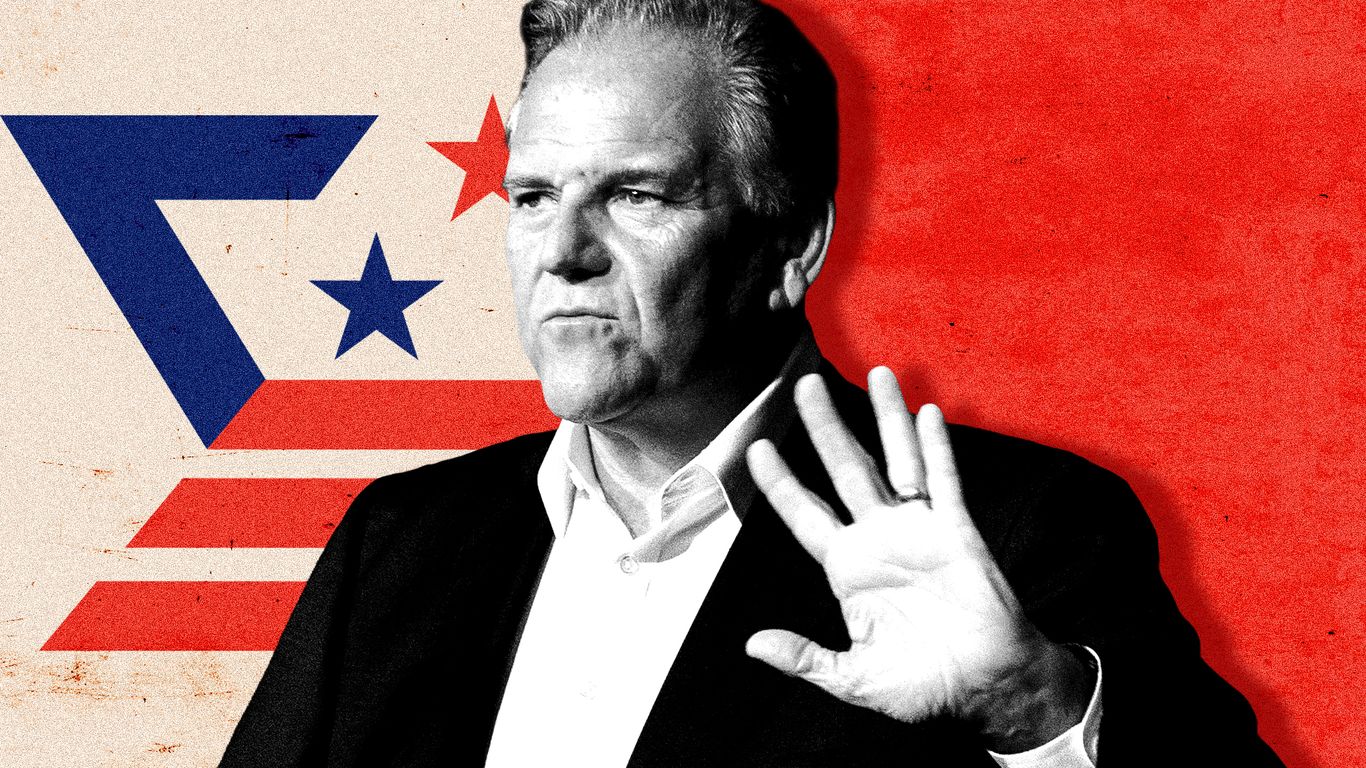
In a surprising twist, Mike Rogers, the Republican nominee for Michigan's U.S. Senate seat, has severed ties with the powerful pro-Israel group AIPAC. The rift came after AIPAC declined to endorse Rogers' campaign, opting not to run ads on his behalf. Rogers' team had previously requested AIPAC to refrain from advertising on his behalf, a request that led to a rupture in their relationship.
The tension highlights the growing dissatisfaction among voters following the ongoing war in Gaza. Rogers, despite being a staunchly pro-Israel Republican, fears that AIPAC's support could backfire in the general election. The group had spent over $30 million to help defeat his Democratic rival, Abdul El-Sayed in the primary, and was prepared to spend millions more to support Rogers' campaign.
El-Sayed, who has been critical of Israel, used AIPAC's spending against him during the primary, portraying Democratic opponent Haley Stevens as being beholden to the pro-Israel lobby. This tactic worked in El-Sayed's favor, as he narrowly defeated Stevens. AIPAC had hoped to continue its aggressive advertising campaign during the general election, but Rogers' team believed the primary ads had backfired, giving El-Sayed a strong foil to use in the general election.
Rogers' allies urged AIPAC to get involved without attaching its name to the campaign, suggesting options such as directing AIPAC donors to a pro-Rogers super PAC or a joint fundraising group. AIPAC officials were not satisfied, insisting on a visible role in the campaign, believing that Rogers' pro-Israel stance would make him susceptible to association with AIPAC regardless.
Direct talks between Rogers' team and AIPAC have now broken down, prompting a broader GOP effort to mediate the situation. Jewish Republican donors are acting as intermediaries, hoping to broker a reconciliation between the two sides. However, some national Republicans worry that AIPAC may abstain from the general election, given its large bankroll. Others believe the group has too much to lose to stay out of the race.
The Michigan Senate race is significant as it occurs in a swing state with a substantial Arab American population, making Rogers cautious about his stance on Israel and Gaza. Recent polls indicate that 55% of Michigan voters oppose continued U.S. aid to Israel, potentially shifting voter perceptions away from the economic issues often at play in manufacturing-heavy states.
Written by urgent.news from Axios's reporting — not their text. Machine-written — may contain errors; check the original before relying on it.