Right to walk: Will Andhra’s pioneering pedestrian safety policy work?
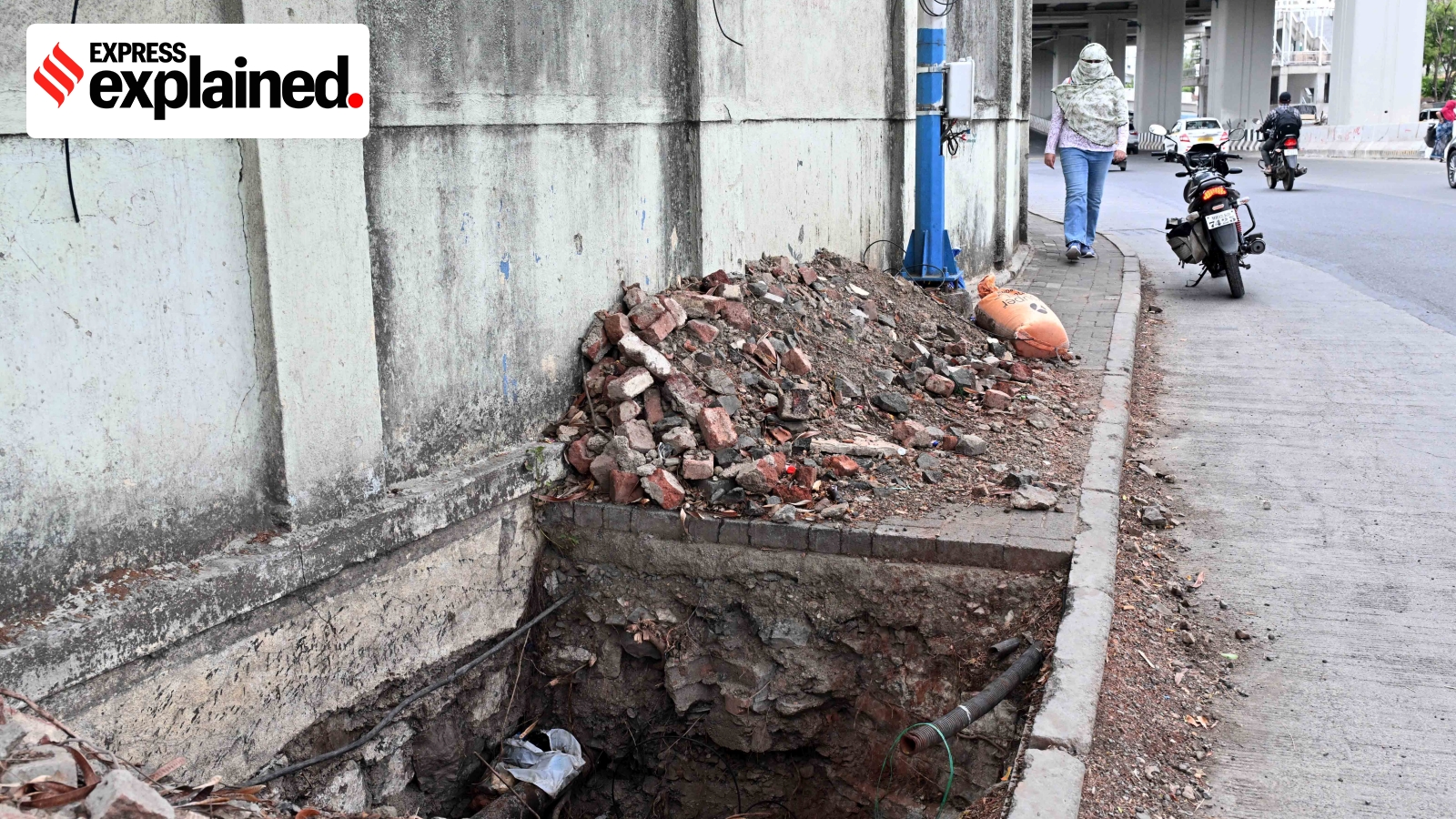
In India, pedestrians are disproportionately affected by road accidents, with one in every five fatalities being a pedestrian. Recognizing this urgent issue, Andhra Pradesh, India's first state, has introduced a comprehensive pedestrian safety policy. This groundbreaking policy mandates a three-step approach to address the concerning safety of footpaths: road safety audits, improving footpath infrastructure, and fostering behavioral change among citizens.
Under the policy, local authorities are required to conduct footpath audits, beginning with high-risk areas such as crowded markets, railway stations, bus stands, and educational institutions. The audits will assess the physical condition of pavements, pedestrian crossings, illumination, and accessibility. The audits prioritize the identification of at least 15-20 "black spots" with frequent pedestrian injuries or fatalities over the past two to three years.
Additionally, the policy mandates the removal of unauthorized structures, illegal stalls, and other encroachments on footpaths.
The policy references the Indian Roads Congress (IRC) guidelines for pedestrian safety, which stipulates that footpaths must have a minimum width of two meters to accommodate wheelchairs and 0.4-1 meter of buffer space. Footpaths should also have a 1.5-meter multi-utility zone for elements such as tree pits, auto rickshaw stands, seating, and vending areas.
The height of footpaths must not exceed 150 mm from the road surface, ensuring a comfortable step riser. The surface must be firm, stable, even, and slip-resistant. Bollards preventing bikes from entering the footpath should be 0.5-0.7 meters high, with a clear spacing of 0.6 meters between them, and wheelchair-accessible bollards should be wider at 1 meter.
The policy also emphasizes the importance of tactile pavers for visually impaired individuals and curb ramps at all crossings. To ensure the safety of pedestrians on elevated foot overbridges (FOBs), the policy mandates the installation of lifts for significant level differences and equips FOBs with CCTV, panic buttons, and demarcated entry and exit points.
Additionally, the policy encourages social policing and performance, with district-level grievance mobile applications or portals created for citizens to report violations. Public awareness campaigns will educate citizens, vendors, merchants, and property developers about their rights and responsibilities concerning footpaths.
The policy incorporates measurable performance metrics for urban local bodies, evaluating their progress in pedestrian safety based on measurable decreases in road accidents and other indicators.
Written by urgent.news from The Indian Express's reporting — not their text. Machine-written — may contain errors; check the original before relying on it.