RBI forex swap facility attracts $72.85 billion inflows as of August 21
FCNR(B) deposits accounted for nearly 90 per cent of the total at $65.40 billion, while ECBs and OFCBs contributed $2.59 billion and $4.86 billion, respectively
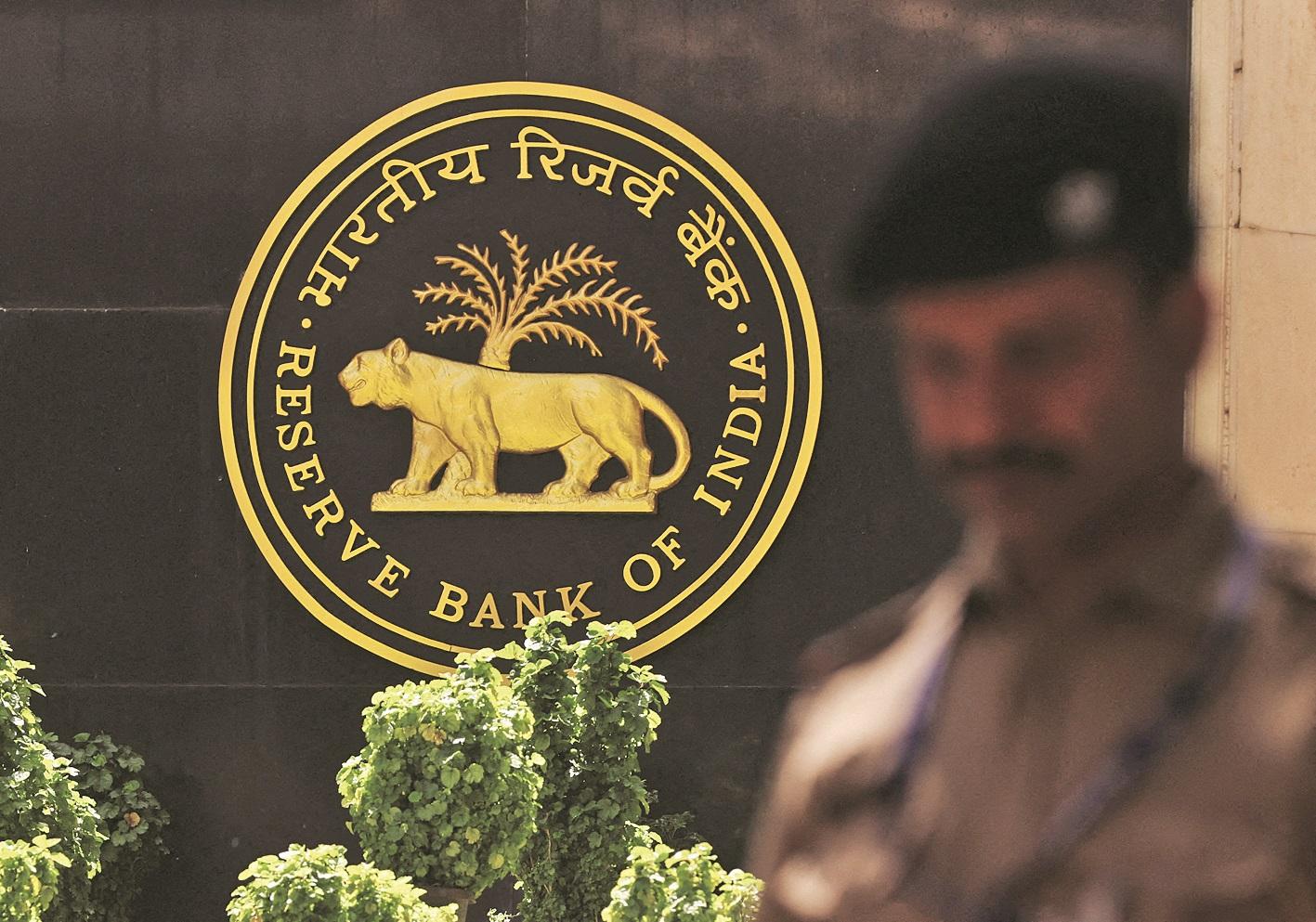
As of August 21, foreign exchange inflows through the Reserve Bank of India's special USD-INR forex swap facility have reached a staggering $72.85 billion, according to data submitted by authorized dealer banks to the central bank. The bulk of these inflows, amounting to $65.397 billion, are attributed to Foreign Currency Non-Resident (Bank) or FCNR(B) deposits.
The remainder of the inflows, $2.591 billion, come from External Commercial Borrowings (ECBs), while $4.860 billion is contributed by Overseas Foreign Currency Borrowings (OFCBs). The RBI initiated the swap window on June 8 with the aim of bolstering foreign exchange liquidity and encouraging banks to attract overseas funds. Following a strong response, the central bank decided to terminate the swap facility on August 31, rather than the originally planned September-end closure.
However, the facility for ECBs and OFCBs will remain open until December 31, 2026. RBI Governor Sanjay Malhotra defended the early closure of the FCNR(B) swap window, stating that it was a "calibration" aimed at providing temporary relief for liquidity and margin pressure. Although the scheme offers participating banks benefits such as a zero-cost principal hedge, certain regulatory exemptions, and leverage-related facilities, analysts view it primarily as a measure to improve liquidity and stabilize foreign exchange markets rather than as a direct driver of sustained rupee appreciation or a significant increase in India's forex reserves.
The large inflows are expected to bolster banks' deposit mobilization, which could exert some downward pressure on deposit rates. Simultaneously, the increased availability of relatively cheaper deposits may temporarily weigh on banks' net interest margins, with estimates suggesting a contraction of 3-15 basis points. As banks rebalance their funding mix, the pressure on NIMs is expected to ease over time.
Several lenders have indicated during their first-quarter FY27 earnings calls that they would initially utilize the additional liquidity to replace expensive bulk deposits, potentially helping to contain the impact on profitability.
Written by urgent.news from Free Press Journal's reporting — not their text. Machine-written — may contain errors; check the original before relying on it.
This story
This is one outlet's version. Read the fullest account.
- RBI Forex Swap Scheme Attracts $72.85 Billion Inflows, FCNR(B) Deposits Account For Lion’s Share freepressjournal.in
- Data on Forex inflows via FCNR(B) Deposits, External Commercial Borrowings (ECBs) and Overseas Foreign Currency Borrowings (OFCBs) under Reserve Bank’s Swap facility rbi.org.in
- India gets $72.8 billion in dollar inflows under RBI swap facility economictimes.indiatimes.com
- Strong inflows via RBI's swap schemes lift reserves, fail to boost rupee business-standard.com
- UPSC Key: New mobile phone manufacturing scheme, RBI’s forex swap, and E20 indianexpress.com