Nuclear technology holds potential to boost food security
CYBERJAYA: The development of new crop varieties using nuclear technology could contribute to Malaysia’s food security, although the research process before commercialisation usually takes several generations to ensure seed stability.
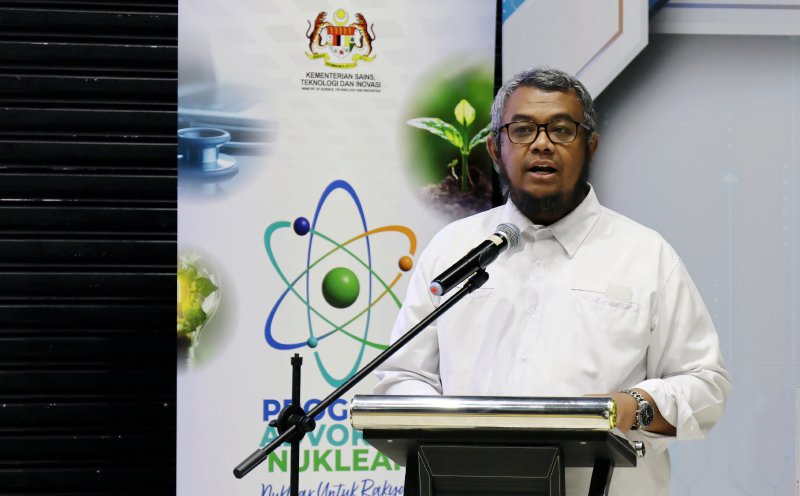
Malaysia may benefit from nuclear technology to enhance food security, according to Dr Muhammad Rawi Mohamed Zin, the director-general of Nuclear Malaysia. The development of new crop varieties using nuclear technology can lead to improved seeds with higher yields, faster cooking times, and better textures. However, these new seeds must undergo rigorous testing for stability and meet specific criteria before commercialisation.
Rawi disclosed that Nuclear Malaysia collaborates with the Ministry of Agriculture and Food Security and the Department of Agriculture to conduct crop trials at designated plots. Currently, the agency is researching strategic crops such as padi, cassava, bananas, and animal feed grass. Two padi varieties have been developed using nuclear technology, offering resistance to diseases and climate change, along with increased yields.
For instance, padi variety NMR152 can be cultivated within five seasons over two years, potentially boosting national rice production and farmers' income.
In the banana sector, nuclear technology could enable the creation of disease-resistant varieties, enabling Malaysia to revive production and increase exports. The agency is also working with the National Kenaf and Tobacco Board in Perlis and Kelantan to grow kenaf with larger stems and more leaves, which could enhance fibre production.
Beyond crop development, nuclear technology contributes to food safety and authenticity, as it can identify the origin of products like honey, swiftlet nests, and prawns, verifying whether they are genuinely produced in their claimed countries of origin.
Safida Zalma Mohd Piah, the deputy secretary-general (Planning and Science Culture) of the Science, Technology and Innovation Ministry, explained that the N.U.R@Wanita programme was designed to enhance public understanding of nuclear technology, which is often associated with negative perceptions. The technology has long contributed to medicine and agriculture, including radiotherapy for cancer patients and hospital equipment sterilisation.
The advocacy approach focuses on mothers, as they play a crucial role in introducing science and technology to children from an early age. Greater public understanding of nuclear technology could prove vital should Malaysia consider it as an alternative energy source in the future.
Written by urgent.news from New Straits Times's reporting — not their text. Machine-written — may contain errors; check the original before relying on it.