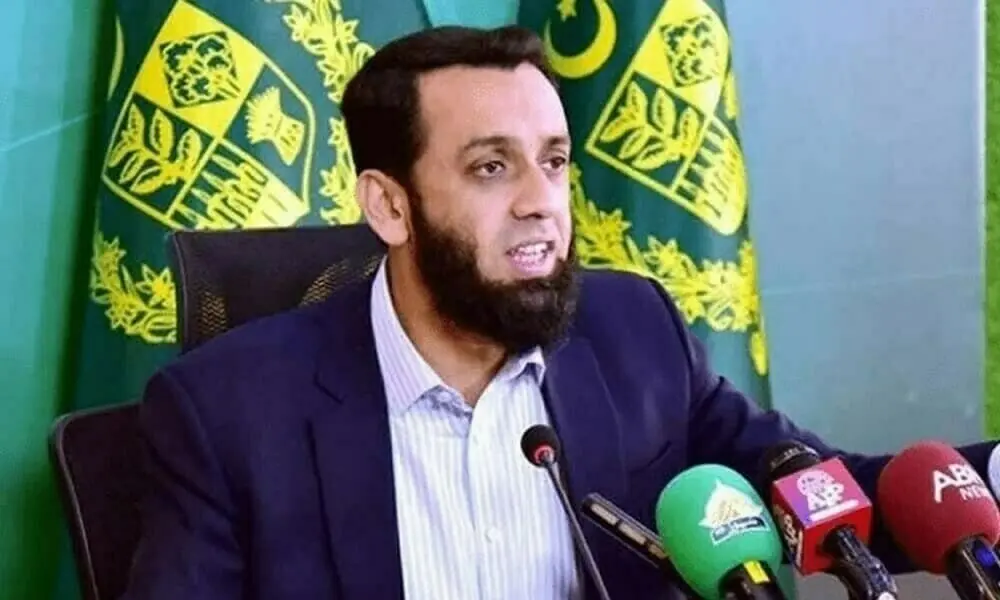
'NTA Needs Deep Structural Strengthening, Replacement Not Solution': Former UGC Chief Mamidala Jagadesh Kumar
New Delhi, Aug 22: The National Testing Agency (NTA) needs "deep structural strengthening" to address recurring examination-security concerns, but replacing the agency altogether may not be the most useful solution, former UGC Chairman Mamidala Jagadesh Kumar said. Speaking to PTI, Kumar, Chairman of the Review Committee for NEP 2020, said the recurring paper-leak concerns should be viewed as an…
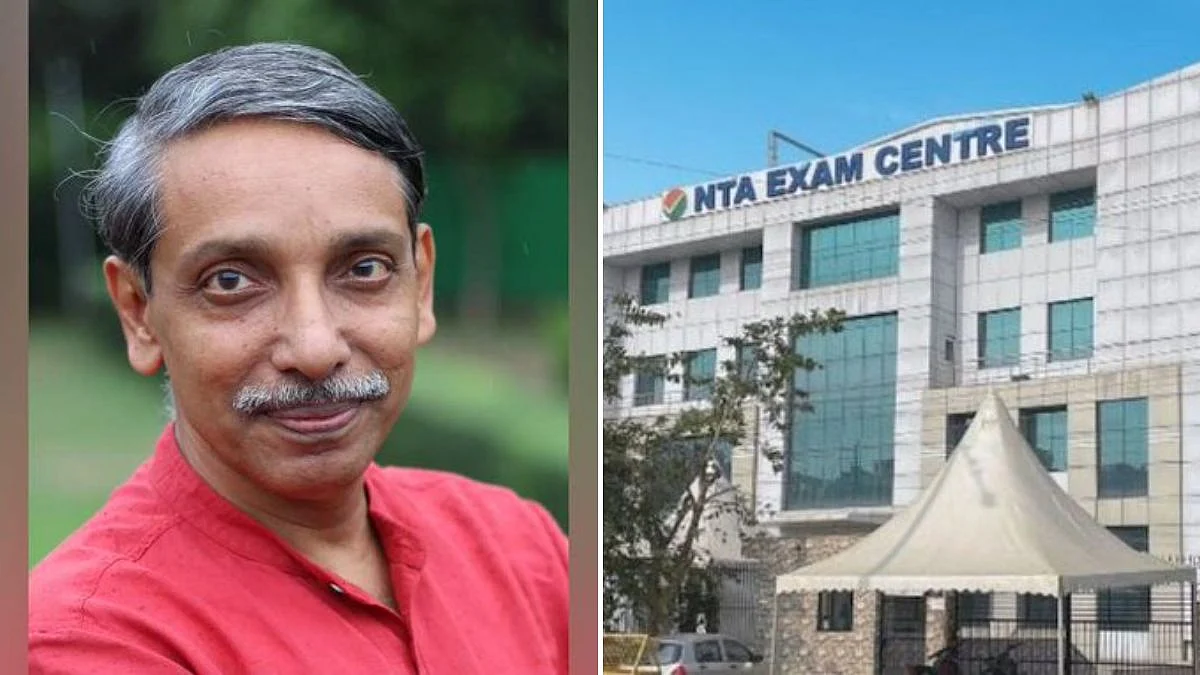
The National Testing Agency (NTA) requires substantial structural improvements to tackle persistent examination-security issues, whereas replacing the agency altogether might not be the most effective solution, according to former UGC Chairman Mamidala Jagadesh Kumar. During an interview with PTI, Kumar, who was a member of the Review Committee for NEP 2020, emphasized that the recurrent paper-leak problems should be considered an end-to-end examination-security challenge, taking into account the scale and complexity of examinations administered by the NTA.
Following the NEET-UG paper leak incident, which led to widespread student protests and the resignation of a minister, the government has taken several measures to bolster the NTA and the examination system. These measures include setting up a high-level committee under technocrat Nandan Nilekani and passing a law to impose harsher penalties for unfair means in public examinations.
NTA conducts examinations for over one crore candidates annually, making security a complex issue that depends on various factors such as subject experts, digital systems, printers, transport, storage, centers, invigilators, and service providers. Kumar highlighted that the Radhakrishnan Committee had examined the entire testing process and recommended stronger standard operating procedures, enhanced data security, clear responsibility allocation, and closer coordination with state governments.
The government and NTA have subsequently implemented many of these recommendations. According to Kumar, the long-term solution involves continuous risk assessment, reducing the number of people handling confidential material, ensuring digital traceability, and conducting independent checks at every stage. He stressed that these measures can make breaches much harder to execute and protect students' trust.
Kumar acknowledged that the NTA is burdened with an enormous workload, but he argued that the sheer number of examinations alone does not necessarily indicate overburdening. Instead, the real challenge lies in the complexity associated with each examination. He proposed a partnership model where ministries, regulators, or institutions seeking an examination would be responsible for the syllabus, subject experts, question quality, and academic validation.
The NTA would provide a secure platform, a center network, candidate verification, examination delivery, and result processing. Kumar also cautioned against dividing examinations among multiple agencies merely to reduce the visible workload, as this could lead to duplicated costs and uneven safeguards. He emphasized the need for a holistic review of the entire examination system, covering aspects such as question setting, translation, review, digital storage, printing, transmission, centers, and invigilation. Every handover should include traceability and strict access control, he added.
Kumar stressed the importance of having permanent expertise in various areas like test design, cyber-security, languages, quality analysis, logistics, and vendor management. He noted that the government has already taken significant steps, such as refreshing about 600 experts, onboarding new specialists, and introducing a four-tier question-paper scrutiny process.
These actions are crucial components of an ongoing reform program. Kumar expressed confidence in the expert-panel refresh as a strong corrective measure, but he reiterated that a complete overhaul of the institution might not be the most beneficial answer. He called for the development of the NTA as a mission-critical professional institution, guided by the recommendations of the Radhakrishnan Committee, which included strengthening the agency, defining clear responsibilities, building institutional links with states, and making requesting examination bodies active knowledge partners.
Written by urgent.news from Free Press Journal's reporting — not their text. Machine-written — may contain errors; check the original before relying on it.