More than 16,000 doses of Ervebo vaccine arrive in Ebola-hit DRC
The Ervebo vaccine "has already been used several times, and in particular on a very large scale during the 2018-2020 outbreak", says Samuel Roger Kamba, the DRC's Minister of Health
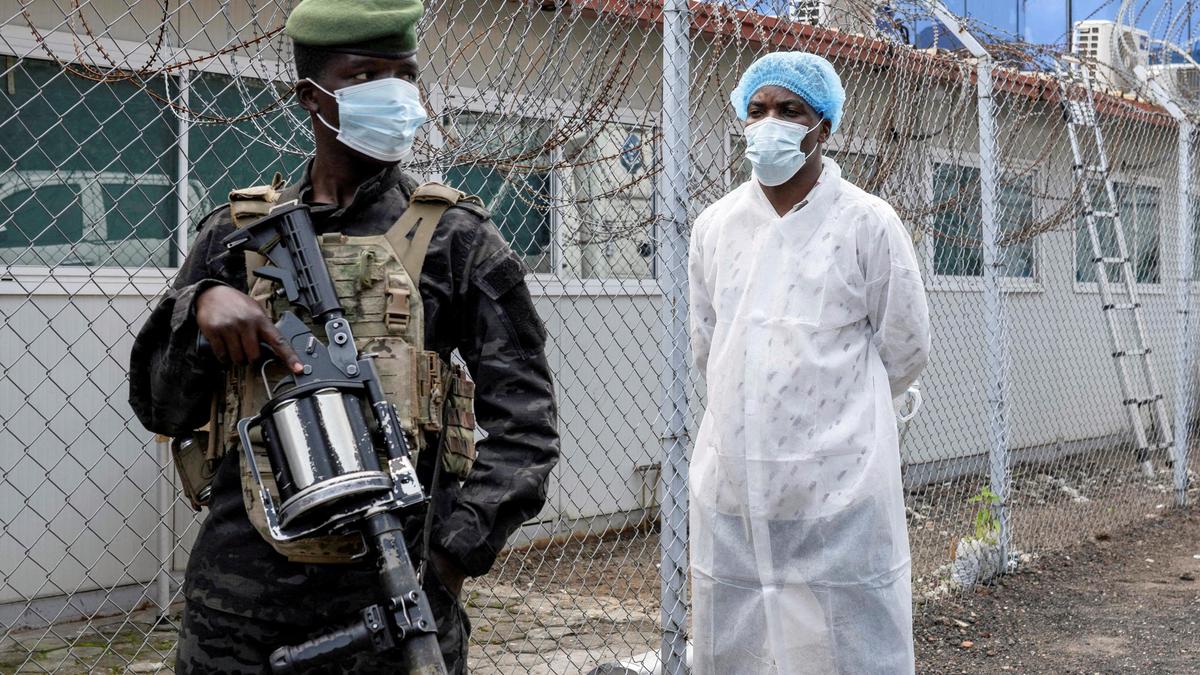
The Democratic Republic of the Congo has received over 16,000 doses of the Ervebo vaccine against the Ebola virus, as the nation confronts the fastest-growing Ebola outbreak in history. The Ervebo vaccine is particularly effective against the Zaire strain of the virus, although the World Health Organization (WHO) indicates it may offer some protection against the current Bundibugyo strain.
The Ebola outbreak in the DRC has resulted in more than 2,500 deaths, with the disease spreading at an unprecedented pace. Health Minister of the Democratic Republic of the Congo stated that these 16,250 doses of the Ervebo vaccine arrived at Ndjili International Airport in the capital, Kinshasa, late on Friday, marking the first of 70,000 doses expected from the WHO and partners announced on Thursday.
The current Ebola outbreak in the DRC is attributed to the rare Bundibugyo strain, which has no approved treatment or vaccine. This strain can spread rapidly and go unnoticed due to symptoms that closely resemble other illnesses such as malaria. The Ervebo vaccine is licensed to combat the Zaire strain of Ebola and has proven effective in past outbreaks.
However, the WHO asserts that it may provide some protection against the Bundibugyo strain as well. The latest Ebola outbreak has claimed 2,557 lives out of the 5,375 confirmed cases in six affected provinces, spreading at an alarming rate. This outbreak is projected to surpass the deadliest Ebola outbreak on record, which caused over 11,000 deaths in West Africa between 2014 and 2016.
The response to the outbreak has been complicated by challenges in contact tracing, hidden transmissions, regional instability affecting underpaid responders, and difficulties in managing mass movements. According to data from the Africa Centers for Disease Control and Prevention, transmission has not yet peaked and could triple its current rate.
Containment efforts have been further hampered by armed conflict between government forces and rebel groups, which control key cities in the hot spot; attacks on medical personnel and facilities; an itinerant labor population; displaced individuals due to the armed conflict; and a lack of crucial infrastructure.
Written by urgent.news from ABC News AU's reporting — not their text. Machine-written — may contain errors; check the original before relying on it.
This story
This is one outlet's version. Read the fullest account.
- More than 16,000 doses of Ervebo vaccine arrive in Ebola-hit DR Congo qatar-tribune.com
- More than 16,000 doses of Ervebo vaccine arrive in Ebola-hit DRC thehindu.com
- Thousands of Ervebo vaccine doses arrive in Ebola-stricken DRC abc.net.au
- More than 16,000 doses of Ervebo vaccine arrive in Ebola-hit DRC freemalaysiatoday.com
- Ebola continues to spread in the DRC as 16,000 vaccine doses arrive aljazeera.com