Moderna cancer vaccine breakthrough revives hopes for biotech turnaround
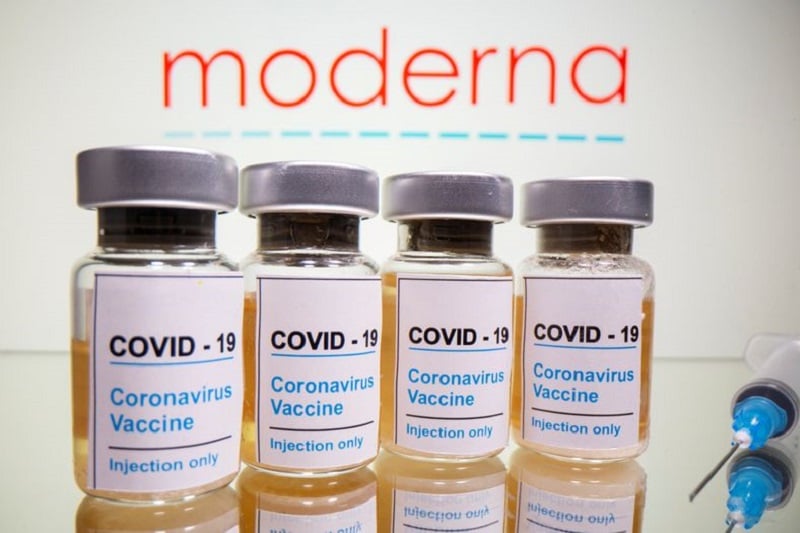
Moderna Inc., a biotech company, and Merck & Co. have announced promising results from their experimental personalized cancer vaccine in a melanoma trial. The news has been a major boost for Moderna, especially after years of declining Covid-19 vaccine sales, layoffs, and financial strain. The Wall Street Journal reported that Moderna's shares nearly tripled following the announcement, which added roughly $44 billion to the company's market value.
The stock had fallen more than 90% from its pandemic-era high and had been heavily shorted earlier in the year.
The trial demonstrated that the vaccine successfully prevented melanoma from recurring and stopping it from spreading to other parts of the body. Moderna and Merck intend to present the detailed results at a medical conference later this year and aim for potential U.S. approval next year. However, they have not disclosed the vaccine's effectiveness or the proportion of patients who benefited.
Furthermore, there are uncertainties surrounding the vaccine's durability, as well as the cost of producing a personalized vaccine for each patient.
The treatment involves genetic sequencing to identify mutations unique to a patient's tumor. Algorithms then select up to 34 targets, which are encoded into an mRNA strand intended to train the immune system to target cancer cells. This vaccine is administered alongside Merck's Keytruda immunotherapy. Moderna began researching mRNA cancer vaccines over a decade ago and partnered with Merck in 2016.
Merck had initially invested $200 million in the research before agreeing in 2022 to develop the treatment together and share profits. Earlier trial results showed that the vaccine and Keytruda reduced the risk of melanoma recurrence or death by 44% compared to Keytruda alone.
The cancer program has become a central focus for Moderna's efforts to create a sustainable business beyond Covid-19 vaccines. The company's sales fell by nearly two-thirds in 2023, leading to job cuts and the cancellation of several research programs. Moderna and Merck are also testing the vaccine platform for lung, kidney, and pancreatic cancers.
Moderna's Chief Executive, Stéphane Bancel, has stated that an approved treatment would be less expensive than CAR-T therapies, which can cost up to $500,000 per patient, though no specific price has been disclosed.
Written by urgent.news from Investing.com's reporting — not their text. Machine-written — may contain errors; check the original before relying on it.