Meet the people working to tackle hate and foster social cohesion
From baking bread to having hard conversations, meet the people rolling up their sleeves to combat hate and foster connection in their communities.
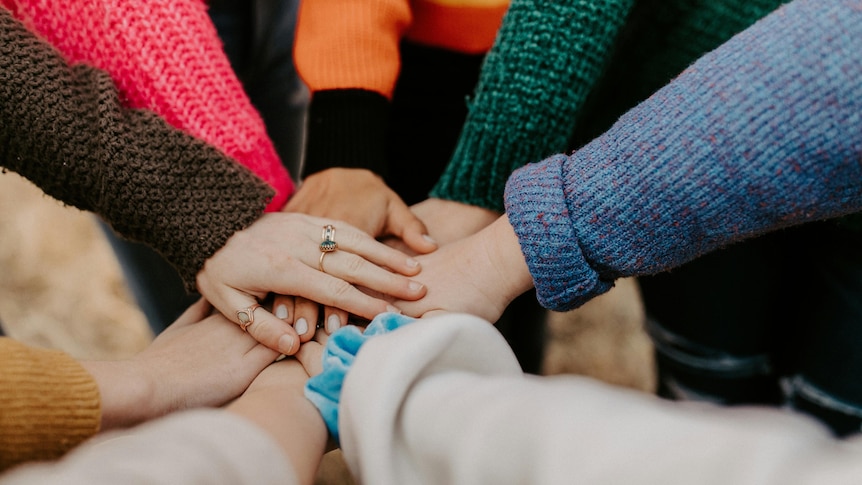
The Royal Commission on Antisemitism and Social Cohesion has heard from various witnesses about the importance of genuine human connection in combating division and hate in Australia. One witness, a Jewish Australian woman who runs a childcare centre, explained how her centre teaches preschool children to recognize familiar experiences and values in different cultures and traditions.
Each Friday, the children participate in challah baking, a Jewish tradition, and take the fresh loaves home to share with their families. This model is seen as an example of a practical solution to tackling division.
Another witness, cognitive scientist Farid Zaid, discussed the Brave Conversations initiative, which aims to equip university students with skills to discuss uncomfortable topics safely. Zaid emphasized that learning can have an element of discomfort and that disagreement, when done well, can lead to connection, learning, growth, and innovation. Israeli and Palestinian historian Daniel Heller noted that while many issues in Australian society are irreconcilable, the focus should be on navigating tensions wisely together.
Rabbi Zalman Kastel AM of Together for Humanity explained that the success of their work is driven by the group's political impartiality and inclusivity. He highlighted the value of seeing representatives from various backgrounds, such as Muslim women discussing antisemitism and Jewish rabbis talking about Islamophobia, to foster understanding among young people.
However, the commission also heard about the chilling of interfaith activities following the attack on Israel by Hamas and the subsequent war in Gaza. Sandy Kouroupidis from the Faith Communities Council of Victoria noted that historical interactions between Muslim and Jewish communities, including school visits and exchanges, no longer exist. This absence of interfaith activities has left some Jewish schools feeling unsafe.
The inquiry also explored the challenges faced by the First Nations community regarding social cohesion. Giridharan Sivaraman from the Australian Human Rights Commission highlighted that the notion of social cohesion may not align with the self-determination, sovereignty, and connection to land of Indigenous Australians. This view was echoed by Mohamed Hassan from the Somali Society of NSW, who spoke about the challenges his community faces in interpreting social cohesion.
Hassan emphasized the importance of racial literacy and seeing diversity as a strength when striving for a society built on equity, dignity, and respect.
Written by urgent.news from ABC News AU's reporting — not their text. Machine-written — may contain errors; check the original before relying on it.