Mark Norman, Former Vice Chief of the Defence Staff of the Canadian Armed Forces
Ukraine needs to be part of an integrated European security framework
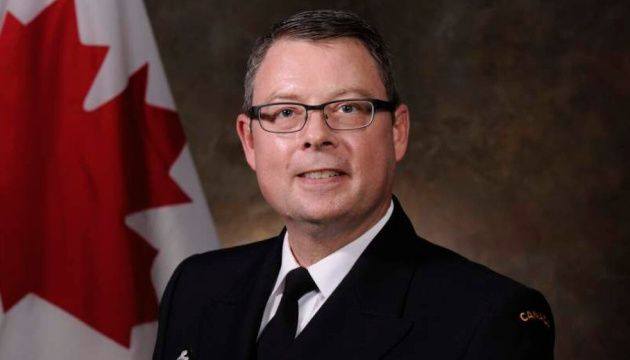
In the ongoing conflict between Ukraine and Russia, experts are analyzing the potential endgame scenarios. Retired Vice-Admiral Mark Norman, who served nearly four decades in the Royal Canadian Navy, shared his insights on Canada's involvement and the future of Ukraine's naval forces.
Canada remains a steadfast supporter of Ukraine, providing financial, material, and potential manufacturing assistance. Norman believes the current government is fully committed to sustaining this effort, both financially and materially.
When asked about possible endgame scenarios, Norman suggested that neither side will declare an outright victory. He noted that Ukrainian forces are in a better position than a year ago, but the human cost is enormous. Russia might have to relinquish some of its gains, while Ukraine would also need to make concessions. Crimea remains a challenging negotiation point, and Russia may soon run out of momentum, potentially putting Ukraine in a more advantageous position for negotiations.
Norman expressed hope for a peace agreement by late 2026 or early 2027, though he acknowledged his optimism might be misplaced.
Ukraine's attacks on Russian oil and gas infrastructure are strategically important, as they target one of Russia's key vulnerabilities – its ability to sustain the war effort financially through petroleum and natural gas sales. While Ukraine is not a democracy, Norman believes public opinion within Russia is growing weary of the conflict, making it harder for President Putin to continue the war.
Regarding battlefield innovation, Ukraine continues to lead, with Western militaries yet to catch up. The U.S. experience in Iran, where smaller, less expensive, autonomous systems achieved significant results, serves as a good example. Norman emphasized the importance of integrating traditional and non-traditional capabilities, rather than viewing them as mutually exclusive options. A balanced approach that combines both types of systems will be crucial for success.
For the post-war period, Norman suggested that Ukraine should strive to become a leader in developing both crewed and uncrewed systems. While autonomous systems are effective in their environment, they have limitations in distance and endurance. Therefore, Ukraine needs to strike a balance between traditional and non-traditional platforms, potentially incorporating smaller coastal naval vessels alongside unmanned systems.
In terms of deterrence, Norman believed that Ukraine should be part of an integrated European security framework, possibly with NATO, formal or informal. This would ensure continued support from European countries and other partners, preventing Ukraine from facing Russian aggression alone. Canada, as a respected voice in the international community, has the potential to influence the NATO consensus on Ukraine's full membership.
Written by urgent.news from Ukrinform - Politics's reporting — not their text. Machine-written — may contain errors; check the original before relying on it.