Madras city on the move: a compilation
On Madras Day, here is a collection of articles from The Hindu, reminiscing the various modes of public transport that made the city move
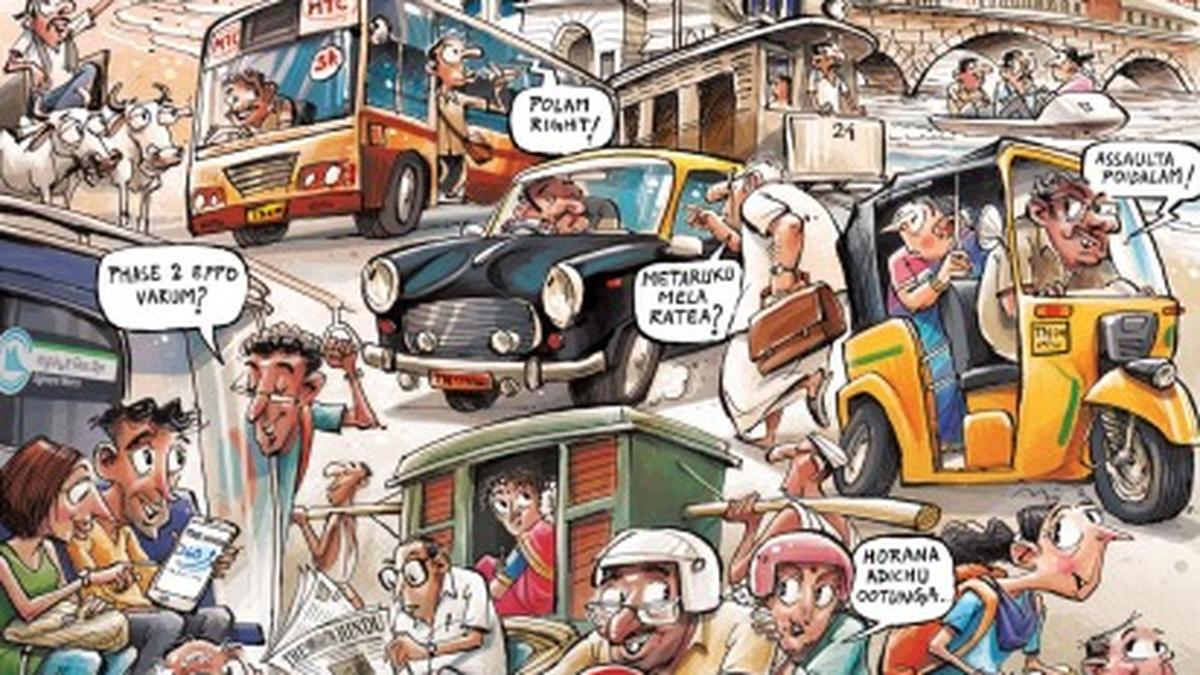
Madras, now known as Chennai, is a city defined by its constant movement and evolution over time. Walking has been the oldest mode of transportation and still exists despite numerous obstacles. The affluent once traveled by horse, carriage, or palanquin, while the colonials followed suit but adapted to local methods. The city's topography has always been shaped by the need for rapid access to destinations, giving rise to passageways and modes of conveyance.
Pre-colonial Madras featured "veethis," which served as high roads connecting self-contained villages. As the city expanded, roads were built to connect the Fort and George Town to other areas, as well as to enable weekend getaways and the residences of East India Company servants. These roads, now arterial thoroughfares, bear the mark of their original purpose.
The city's transportation systems have evolved from walking, boats, carts, carriages, palanquins, tramways, trains, two-wheelers, cars, buses, aircraft, and now metro rail. This history reflects the city's constant adaptation to the need for efficient travel, while also revealing plans that never materialized. Despite these changes, some stories of transport systems that remained unrealized add to the rich tapestry of Madras' history.
The Hindu Archive, along with other sources, has contributed to preserving this narrative of the city's continuous journey.
Written by urgent.news from The Hindu's reporting — not their text. Machine-written — may contain errors; check the original before relying on it.