Laptop catches fire on US flight, pilot reports
The pilot said passengers may have been burned, with one treated and released after American Airlines Flight 2398 landed safely.
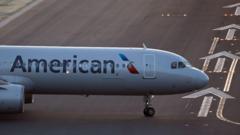
A passenger's laptop caught fire during an American Airlines flight, resulting in medical treatment for one individual. The pilot reported a cabin fire in the back of the plane, stating that around four to five passengers sustained burns from the incident. The incident occurred on American Airlines Flight 2398, which was en route from Atlanta, Georgia, to Dallas Fort Worth International Airport in Texas. The aircraft landed safely at the Dallas Fort Worth International Airport on Friday.
Upon landing, emergency personnel met the aircraft, and the FAA's protocol for containing the device was followed. The airline expressed gratitude for the crew's professionalism and swift response in managing the situation. The FAA has cautioned that lithium batteries, including those found in laptops, can overheat due to various factors such as damage, overheating, exposure to water, overcharging, or improper packing.
The Federal Aviation Administration has recorded 58 verified incidents involving lithium batteries this year, resulting in smoke, fire, or extreme heat. Over the past 20 years, the majority of these incidents have been linked to laptop battery packs, with 84 cases specifically related to laptops. According to US regulations, lithium batteries must be stowed in carry-on baggage only.
In a separate incident in May, a UK-bound EasyJet flight from Egypt was diverted to Rome after a power bank was discovered charging in a passenger's luggage in the aircraft's hold. The flight was subsequently rescheduled for the following day. The UK's aviation regulator, the Civil Aviation Authority, has highlighted the increasing number of serious issues caused by power banks on flights worldwide and has urged heightened awareness due to their potential risks of overheating or catching fire.
Written by urgent.news from BBC News's reporting — not their text. Machine-written — may contain errors; check the original before relying on it.