Keep UPI free, and fund it from the savings it generates
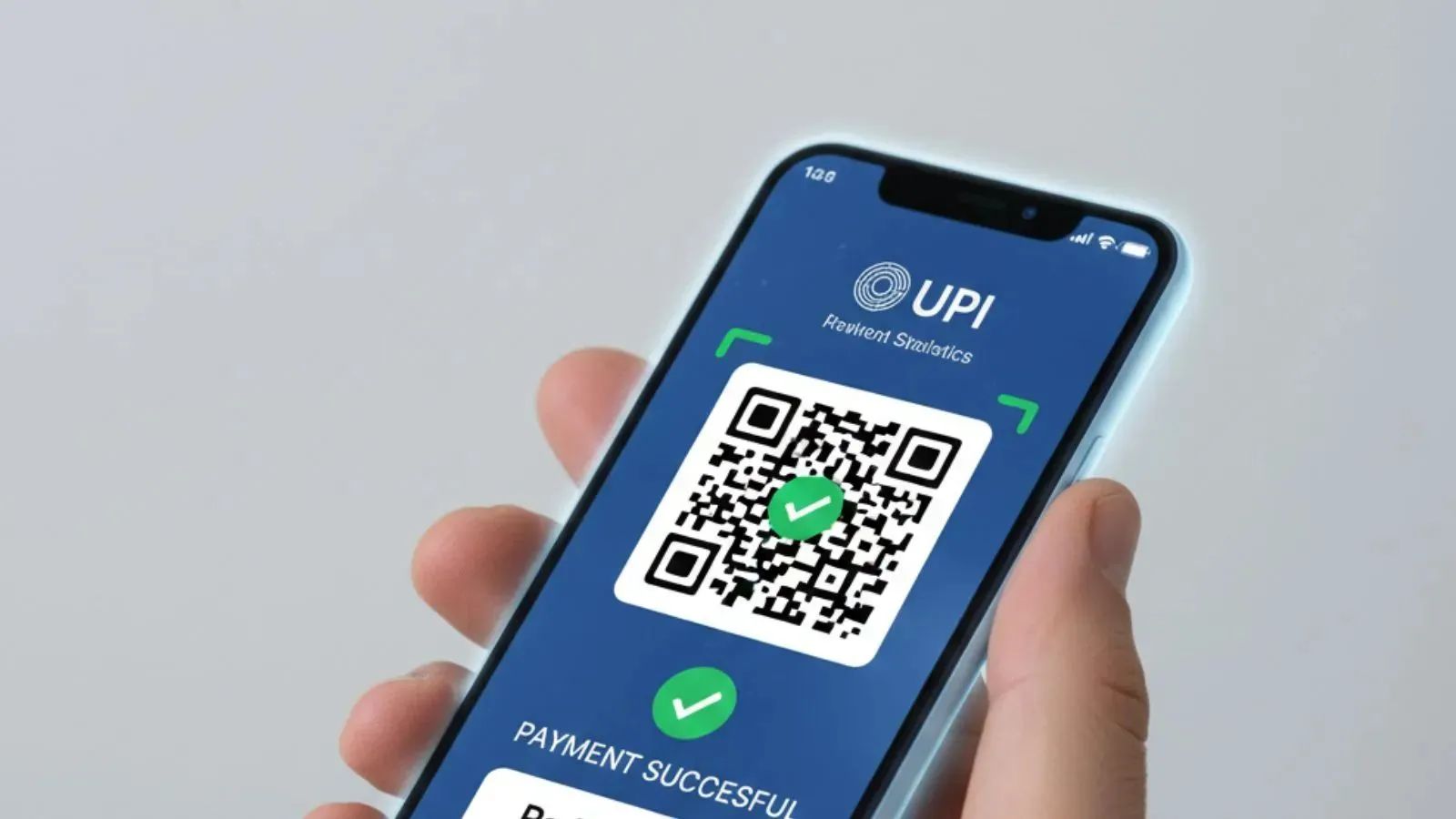
In March 2017, the writer argued that mobile payments should be free, as a less-cash India depended on keeping them free. Now, the Taxation and Other Laws (Amendment) Bill 2026 has rewritten Section 10A of the Payment and Settlement Systems Act, allowing the government to impose charges on BHIM-UPI and RuPay, which could undermine the free system.
UPI carried over 24,000 crore transactions worth about Rs 314 lakh crore in 2025-26, accounting for 85% of India's digital retail payments and nearly half the world's real-time payments. The average transaction is about Rs 1,300, and 86% of merchant payments are below Rs 500, involving small businesses and consumers. A charge on these transactions would be a levy on the poorest.
UPI is an open, protocol-based public good, a new common language for money that asks banks only to open their APIs to a shared protocol. The point-of-sale machine is the customer's own phone, on data they have paid for, with no card, terminal, or credit risk, and settlement is instant. The cost of running UPI's switch is about Rs 500 crore a year, with the NPCI incurring only two paise per transaction.
Banks and payment providers bear real costs, but the government has provided an incentive. However, dismantling the zero-MDR is necessary as the traffic multiplies, and the outlay is projected to fall. The state and banks stand to save significant sums, and MDR is not the way to close the gap. Instead, the state, which has spent more on printing currency than it costs to keep UPI free, should return a small, defined share of its savings to those who run the rails.
An MDR would also be self-defeating, as India is intensely price-sensitive, and a charge would deter users from digital payments, ultimately hurting the thin-margin retail economy. Keeping UPI free, funded by the savings it generates, will ensure the system's success and the country's transition to a truly cashless India.
Written by urgent.news from The Indian Express's reporting — not their text. Machine-written — may contain errors; check the original before relying on it.