Japanese university finds river bacteria that remove ‘forever chemicals’
TOKYO, Aug 22 — A research team has found that bacterial strains in river sediments contaminated with so-called fo...
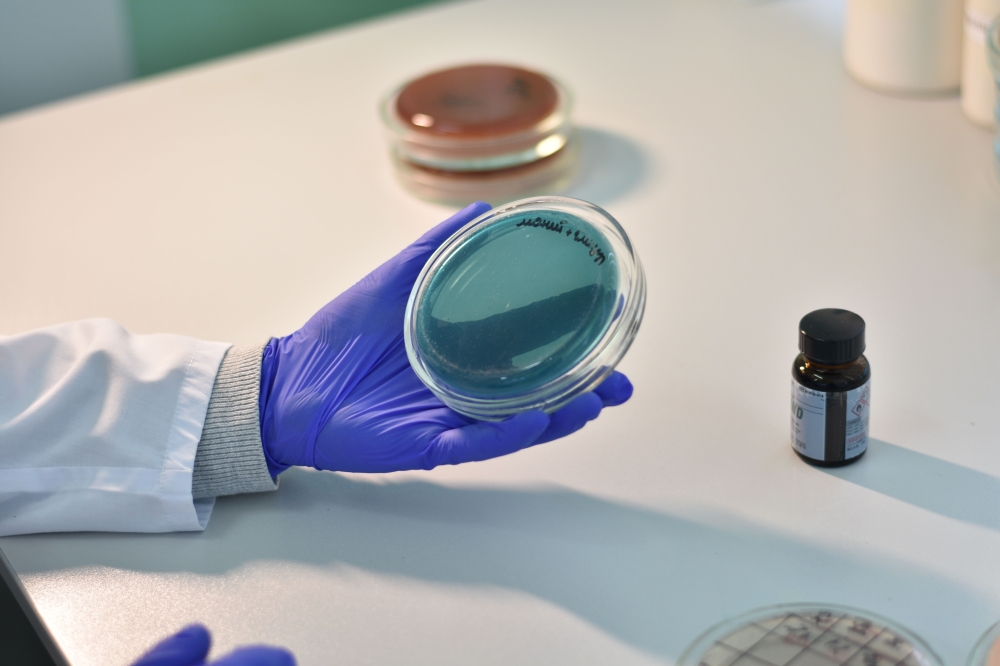
A Japanese university led a study that discovered specific bacterial strains in river sediments contaminated with toxic "forever chemicals" can effectively remove these harmful substances, according to a report by Kyodo News. The research, conducted at Kobe University, offers hope in tackling per- and polyfluoroalkyl substances (PFAS), which are notoriously difficult to break down due to their strong carbon-fluorine bonds.
PFAS have become a significant global environmental and health concern, accumulating in water, soil, and wildlife. These "forever chemicals" are prevalent near military sites, industrial areas, and are used in various products, from fabrics to firefighting foam. Japan has banned the manufacture and import of certain PFAS, including PFOS and PFOA.
Associate Professor Hideyuki Inui from Kobe University stated that using bacteria cultured from the natural environment could decontaminate at lower costs. The team collected sediment samples from the Samondo River in Osaka Prefecture, isolating and identifying bacterial strains capable of reducing PFOS and PFOA concentrations. Their study, published in the August issue of the Journal of Water Process Engineering, confirmed that one strain significantly reduced PFAS in industrial waste landfill leachate, demonstrating its practical application beyond the lab.
The researchers found that adsorption of PFAS onto bacterial cells plays a crucial role in the removal process. While previous reports indicate certain microbial strains can degrade PFAS, the specific types of bacteria and their roles in degradation and adsorption remain largely unknown.
Written by urgent.news from Malay Mail's reporting — not their text. Machine-written — may contain errors; check the original before relying on it.
This story
This is one outlet's version. Read the fullest account.