‘Its pretty much a guarantee you’ll get stung’: jellyfish keep swimmers out of Delaware beaches
Beach patrols report hundreds of stings a day as warmer waters and drought create favorable conditions for jellyfish An unusually high number of jellyfish are crowding Delaware’s beaches this summer amid climate change and other environmental factors – keeping some beachgoers out of the ocean and stinging lifeguards as well as bathers. Beach safety patrols in the state have reported hundreds of…
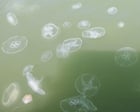
Delaware's beaches are experiencing an unusually high number of jellyfish, causing hundreds of stings per day and deterring beachgoers. Warmer waters, drought, and favorable water circulation conditions have created a "perfect storm" for jellyfish to thrive, according to Chris Petrone, marine advisory service director at Delaware Sea Grant.
The four most common species are lion's mane, Atlantic sea nettle, moon jellyfish, and sea walnut. Lifeguard Braden Jones has seen an average of 100 stings per day, with some lasting a full day and causing vomiting in children. Lifeguard Nico Caceres of Rehoboth Beach reports stings lasting up to 45 minutes, more severe than in past summers.
State officials advise rinsing affected areas with vinegar and treating with hot water or a warm towel, and to seek medical attention if stung on the face or neck. Urinating on a jellyfish sting is discouraged as it may worsen pain. The quieter hurricane season may also contribute to the accumulation of jellyfish on the coast. Many beachgoers are avoiding the water altogether, with Kristen Zerby, a Delaware resident, calling the situation "disappointing" and noting that she's never seen the beaches as empty as this summer.
In Southern California, a persistent marine heatwave has similarly driven stingrays closer to shore, resulting in a spike in injuries.
Written by urgent.news from The Guardian US's reporting — not their text. Machine-written — may contain errors; check the original before relying on it.