Israel-Turkey tensions rise after Netanyahu orders strikes on Syrian airbase
Fears of a military confrontation between Israel and Turkey are growing after Israeli Prime Minister Benjamin Netanyahu sought to assert dominance over Syria by ordering air strikes on a military airfield near the Turkish border. The eight strikes on the Abu Al-Duhur airbase in northwest Idlib province on Tuesday were characterised by Netanyahu as a warning to Turkey against expanding its…
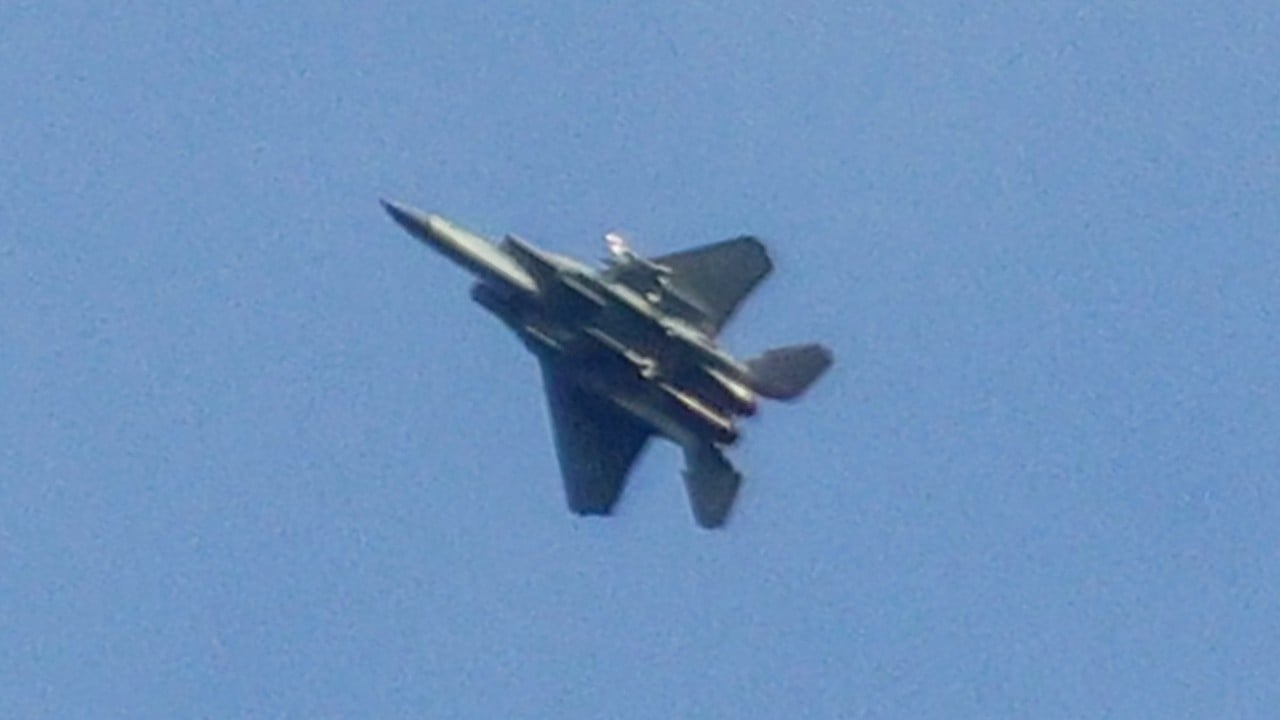
Tensions between Israel and Turkey have escalated following Israeli Prime Minister Benjamin Netanyahu's decision to conduct airstrikes on a Syrian military airbase near their shared border. The eight strikes, carried out on Tuesday, were intended to send a warning to Turkey against expanding its military presence in Syria or assisting the Syrian armed forces.
Netanyahu claimed that Israel and Syria had agreed on a "status quo" in security matters, which Damascus was "on the verge of breaching" by permitting Turkish troops to operate at the airbase near Aleppo.
In the days following the strikes, Netanyahu's stance evolved, with the Israeli leader describing the air assault as a "message" that Turkey should not advance its military influence in Syria in a southward direction. He emphasized that such an expansion would be perceived as a threat to Israel's security. However, the United States expressed concern over the "unnecessary escalation" and noted that Turkey, the second-largest NATO member's military, could have reasonably prepared a response to the sudden appearance of Israeli fighter jets on its air-defence radars near the border.
Observers have warned that the incident could easily have led to a military conflict, as Turkey and Israel possess significant military capabilities and have no clear borders delineating their spheres of influence in Syria. Analysts noted that Turkey's military operations in northwest Syria have been limited since 2017, with Ankara avoiding expansion after Israeli strikes on Turkish facilities in March and April 2025.
The strikes on Tuesday, however, were seen as a clear violation of a previously established informal status quo, with Israel maintaining freedom of action in the southern half of Syria while Turkey claimed control of the north.
The United States, through its special envoy for Syria and Iraq, Tom Barrack, called the Israeli strikes a "dangerous incident" that could have led to a kinetic confrontation between the two nations. Barrack's assessment was echoed by other analysts, who warned of the potential for an inadvertent clash between Turkey and Israel, given their military capabilities and the absence of clear boundaries delineating their spheres of influence in Syria.
Written by urgent.news from South China Morning Post's reporting — not their text. Machine-written — may contain errors; check the original before relying on it.