Urgent.News

What's breaking now, across thousands of outlets.

Finance & Markets

Irankrieg: Der Aluminium-Preisschock – warum Europa jetzt doppelt verliert

Die Versorgungskrise durch den Irankrieg ist zwar ausgeblieben. Aber in Europa ist Aluminium aus verschiedenen Gründen sehr teuer geworden. Deutschland hat dabei ein spezielles Problem.

Irankrieg: Der Aluminium-Preisschock – warum Europa jetzt doppelt verliert

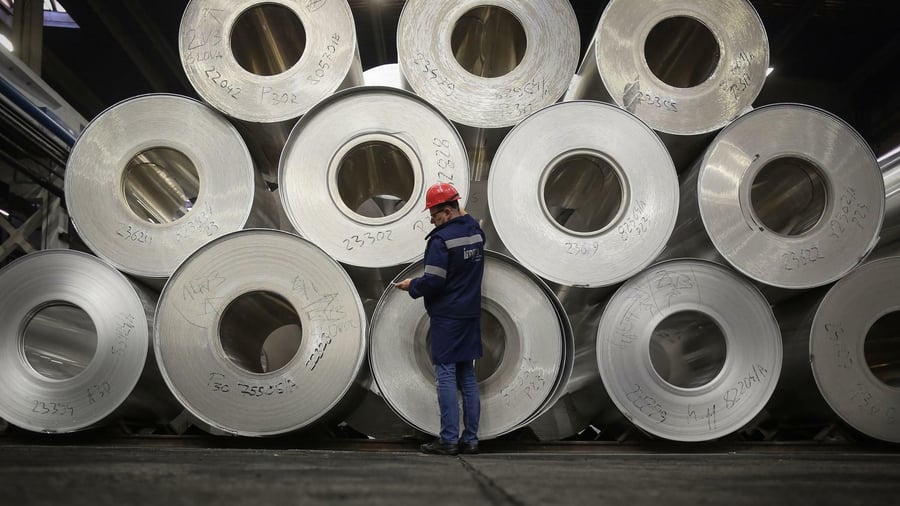
The aluminium price shock is causing dual losses for Europe, according to a recent article. The European aluminium industry is experiencing a significant cost increase, with the price of aluminium rising to nearly $3,500 per tonne on the London Metal Exchange (LME) by March. This surge is primarily due to concerns over ongoing supply shortages from the Gulf region and the blocked Hormuz Strait, as well as the region's need to import aluminium from countries such as China, India, Canada, Bahrain, and Australia.

Angelika El Noshokaty, from the Aluminium Deutschland industry association, explains that import costs significantly impact European verifiers. The regional availability premium, which reflects the scarcity of aluminium on the European market and the associated costs for import, customs, storage, and delivery, currently stands at around 500 dollars per tonne, equivalent to approximately 430 euros. This premium is added on top of the world market price.

The premium affects specific aluminium products, such as those used in vehicle profiles, machine components, window frames, and facades, making them significantly more expensive. For a medium-sized manufacturer producing around 1000 tonnes of aluminium profiles per month, this price jump could amount to nearly a million euros in the short term. Despite some stabilization, aluminium production in the Gulf region remains at only about two-thirds of pre-war capacity.

China has partially compensated for the shortfall by increasing its exports of aluminium alloys and semi-finished aluminium products, leading to a decrease in the global aluminium price. However, this shift also means that more aluminium processing occurs in China. Additionally, Russia and Turkey have become significant suppliers of aluminium to German companies, with Turkish imports of aluminium and aluminium products from Russia rising by 62% in the first quarter of 2026 compared to the previous year, with nearly 75% of aluminium profiles imported from non-EU countries, including 9.5% coming from Turkey.

The article highlights that Europe's scrap metal is becoming a strategic resource as the industry increasingly looks towards using recycled aluminium. While Europe heavily relies on imports for primary aluminium, recycling scrap metal could help mitigate the impact of rising aluminium costs on European production competitiveness.

Written by urgent.news from Handelsblatt's reporting — not their text. Machine-written — may contain errors; check the original before relying on it.
Read the original at handelsblatt.com →

More in Finance & Markets

10 Weekend Reads

The weekend is here! Pour yourself a mug of Danish Blend coffee, grab a seat outside, and get ready for our longer-form weekend reads: • The box that built globalisation: Containers have transformed…

More from Saturday 22 August →