India’s Transmission Boom Runs Into A Tougher Reality: Can Developers Build Fast Enough Without Sacrificing Returns?
India’s power transmission sector is entering a period of unprecedented expansion. The government has laid out a massive investment pipeline, driven by rising electricity demand, the rapid addition of renewable capacity and the need to move power from generation-rich regions to consumption centres. But beneath the headline opportunity lies a more difficult question: can transmission companies…
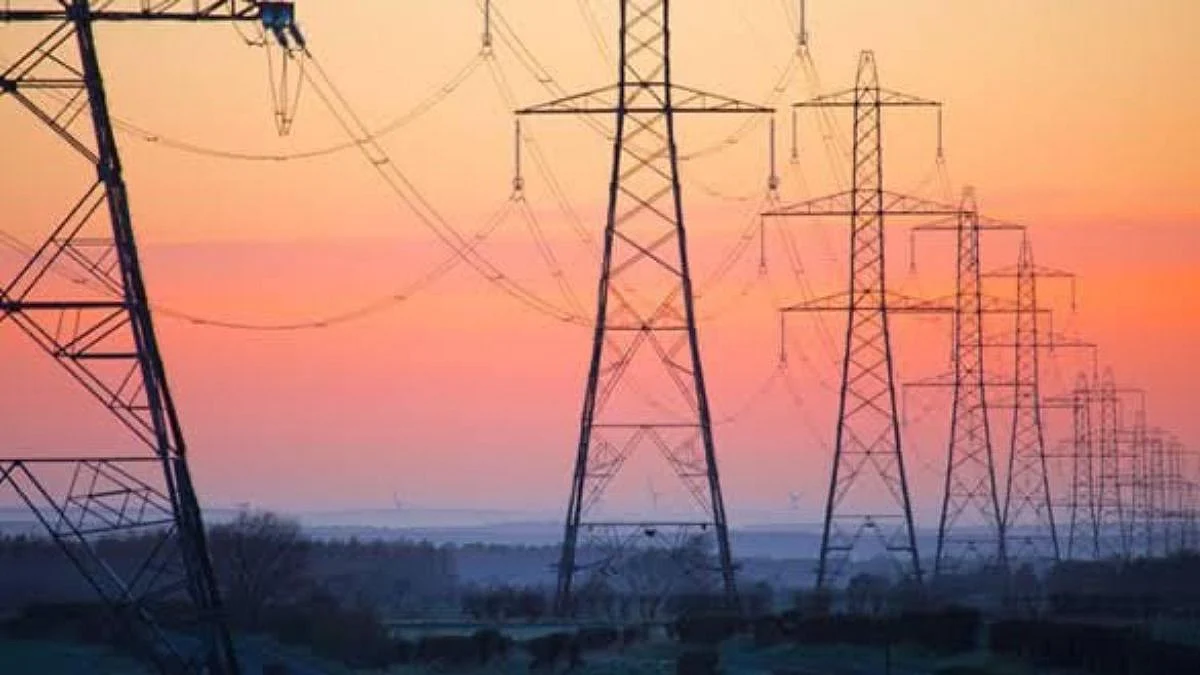
India's power transmission sector is undergoing rapid expansion as the government invests billions to meet growing electricity demand and accommodate renewable energy sources. The National Electricity Plan projects a significant increase in transmission infrastructure, but the challenge now lies in executing these projects efficiently.
While competitive bidding has attracted private capital, it has also intensified pressure on project economics. Companies face uncertainties related to land acquisition, right-of-way permissions, and financing costs, which can erode project returns. The sector's tension is evident as developers race to secure projects but struggle with delivering them on schedule.
Renewable energy projects, which have shorter gestation periods, require transmission networks capable of handling high-capacity corridors. However, the mismatch between renewable generation growth and transmission infrastructure development poses a significant hurdle. India's clean-energy targets, including 500 GW of non-fossil fuel capacity by 2030, necessitate substantial transmission investments.
The question for transmission developers is shifting from securing projects to maintaining profitability amidst competitive bidding. Companies with strong balance sheets and execution capabilities are likely to thrive, but the real challenge will be faster clearances, better coordination, and more disciplined project management.
Written by urgent.news from Free Press Journal's reporting — not their text. Machine-written — may contain errors; check the original before relying on it.