India is turning to ancient water systems as modern ones run dry
Water scarcity and climate change is driving communities to restore traditional water structures built centuries ago, bringing them back into use in the 21st Century.
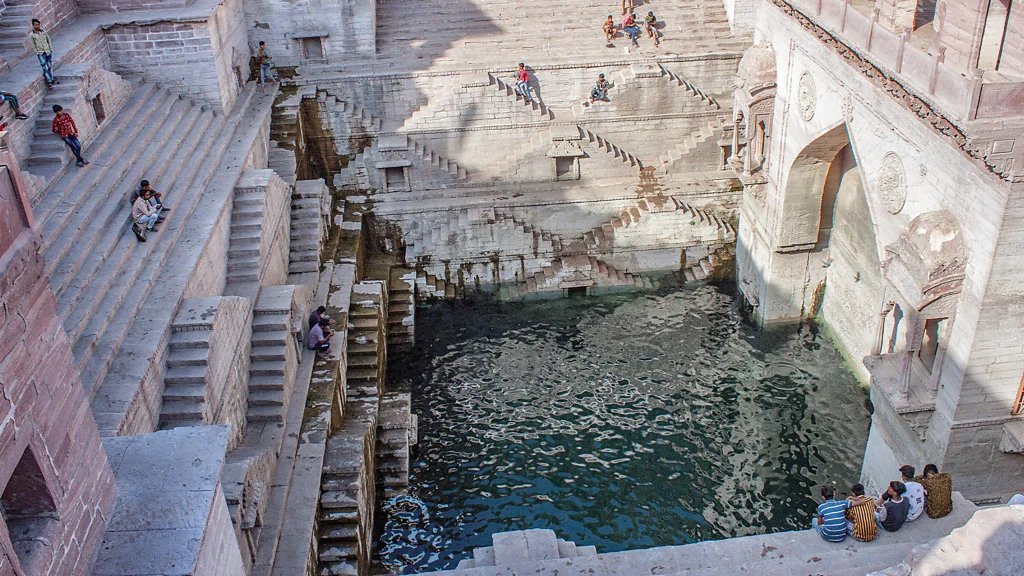
India is turning to ancient water systems as its modern ones struggle to meet demand. In recent years, communities have been restoring traditional water structures built centuries ago, with some seeing renewed use in the 21st century. One notable example is the Moosi Rani Sagar stepwell in Alwar, Rajasthan, which had been out of service for over 30 years until 2025, when it spilled over for the first time in decades.
The stepwell, part of a historic water-harvesting system dating back to the early 1800s, now holds water that reaches depths of up to 30 feet even during the driest months. Vijay Sarswat, a resident of Alwar, notes that the stepwell rarely drops below 20 feet even in the driest periods.
Across India, hundreds of communities are recognizing the value of these ancient structures, once viewed as cultural relics but now seen as climate-resilient systems that have functioned for over a thousand years. In recent years, India has been increasingly looking to revive ancient water structures to address its looming water crisis.
The Moosi Rani Sagar stepwell was restored in 2021 in partnership with non-profits, with the goal of combating severe water scarcity and preserving the 200-year-old heritage landmark. This is just one example of how investment in traditional infrastructure can lead to positive outcomes.
India's revived water structures go by various names, including baori, johad, kund, tanka, and nadi. These structures, which supplied most of rural India for centuries, work by slowing down water to allow it to percolate into the soil. Baoris, or ancient stepwells, are the most striking, with thousands of disused subterranean stepwells dotting the Indian landscape.
The revival of johads, simple crescent-shaped earthen dams that hold monsoon runoff long enough for water to percolate into the ground, has also seen strong results in addressing water scarcity in Alwar. These traditional structures are particularly effective at replenishing groundwater and are better at doing so than modern open reservoirs like canals and dams, which can lose water to evaporation.
Written by urgent.news from MyJoyOnline Ghana's reporting — not their text. Machine-written — may contain errors; check the original before relying on it.