India Attracts ₹4,896 Crore FDI In 29 Projects After Easing Land-Border Investment Rules
India has attracted ₹4,896 crore in foreign direct investment (FDI) through 29 projects since the government relaxed investment rules in May, signalling an early response to measures aimed at making the country more attractive to overseas investors. The investments were reported by entities based in countries including Mauritius, the US, South Korea, Japan, Singapore, Luxembourg and the Cayman…
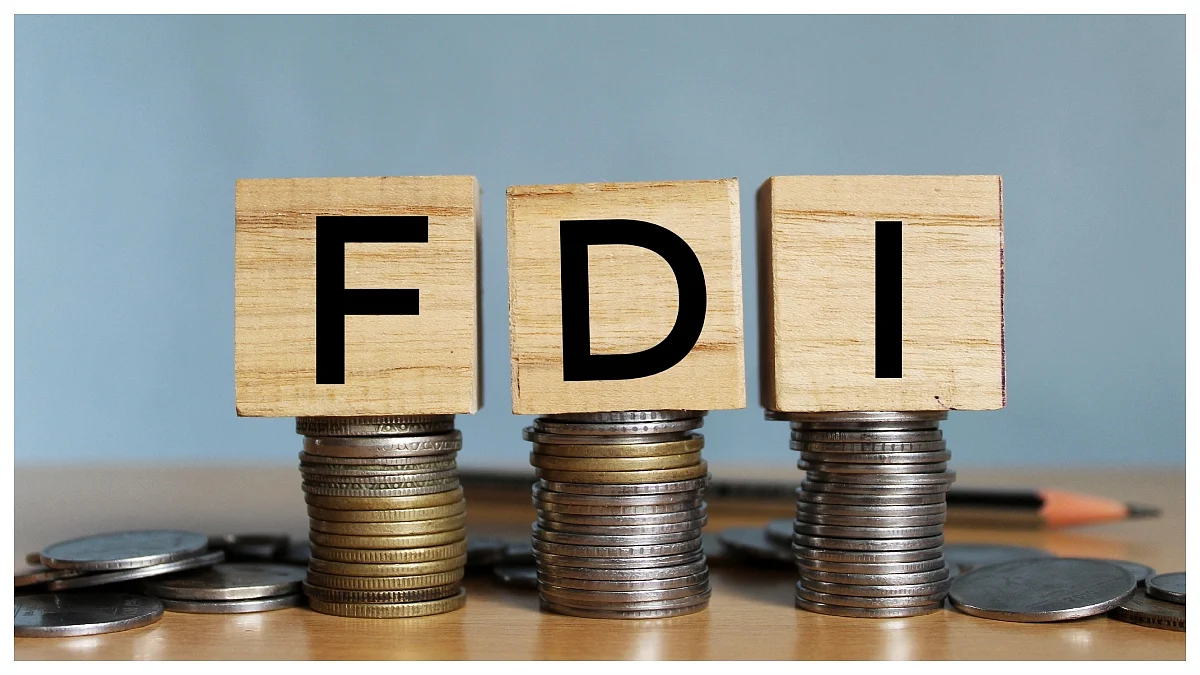
India has welcomed ₹4,896 crore in foreign direct investment (FDI) across 29 projects following the easing of land-border investment rules in May, according to recent reports. The investments, originating from countries like Mauritius, the US, South Korea, Japan, Singapore, Luxembourg, and the Cayman Islands, span sectors including IT, AI, communications, manufacturing, pharmaceuticals, data centers, and transport services. The inflows are part of a government initiative to enhance India's appeal to overseas investors.
The FDI surge follows the introduction of changes under Press Note 2 of 2026, which permits investments through the automatic route for entities with non-controlling ownership of up to 10% by companies from land-bordering nations. This revised framework marks a significant shift from previous regulations, which required government approval even for a 1% beneficial ownership by a company from a land-bordering country, as outlined in Press Note 3 of 2020.
These tighter rules were introduced in 2020 due to concerns over investments originating from countries sharing a land border with India, as well as those with indirect ties.
The decision to relax investment rules was approved by the Union Cabinet in March and subsequently notified by the Department for Promotion of Industry and Internal Trade in May. However, investments from companies with controlling interests in land-bordering countries will still require government approval. Despite these changes, direct investments from specific countries, including China, Bangladesh, Pakistan, Bhutan, Nepal, Myanmar, and Afghanistan, remain subject to government scrutiny.
To expedite the approval process, the government has set a 60-day timeline for investments in select sectors. These reforms are part of a larger effort to boost foreign investment into India, which has been hindered by a sharp decline in net FDI inflows. In FY26, India recorded net FDI inflows of $6.95 billion, a significant drop from the annual average of about $40 billion between FY20 and FY22.
The government is also working on relaxing rules for inventory-based e-commerce and is developing a revised model Bilateral Investment Treaty to further attract foreign investment.
Written by urgent.news from Free Press Journal's reporting — not their text. Machine-written — may contain errors; check the original before relying on it.