India approves 1,800 km of new LPG pipelines across 6 states with ₹7,000 crore investment to boost supply
The regulator has approved three major LPG pipeline projects spanning Telangana, Maharashtra, Uttar Pradesh, Uttarakhand, Karnataka and Goa. The projects will be developed by state-run GAIL (India) Ltd, according to a PNGRB statement.
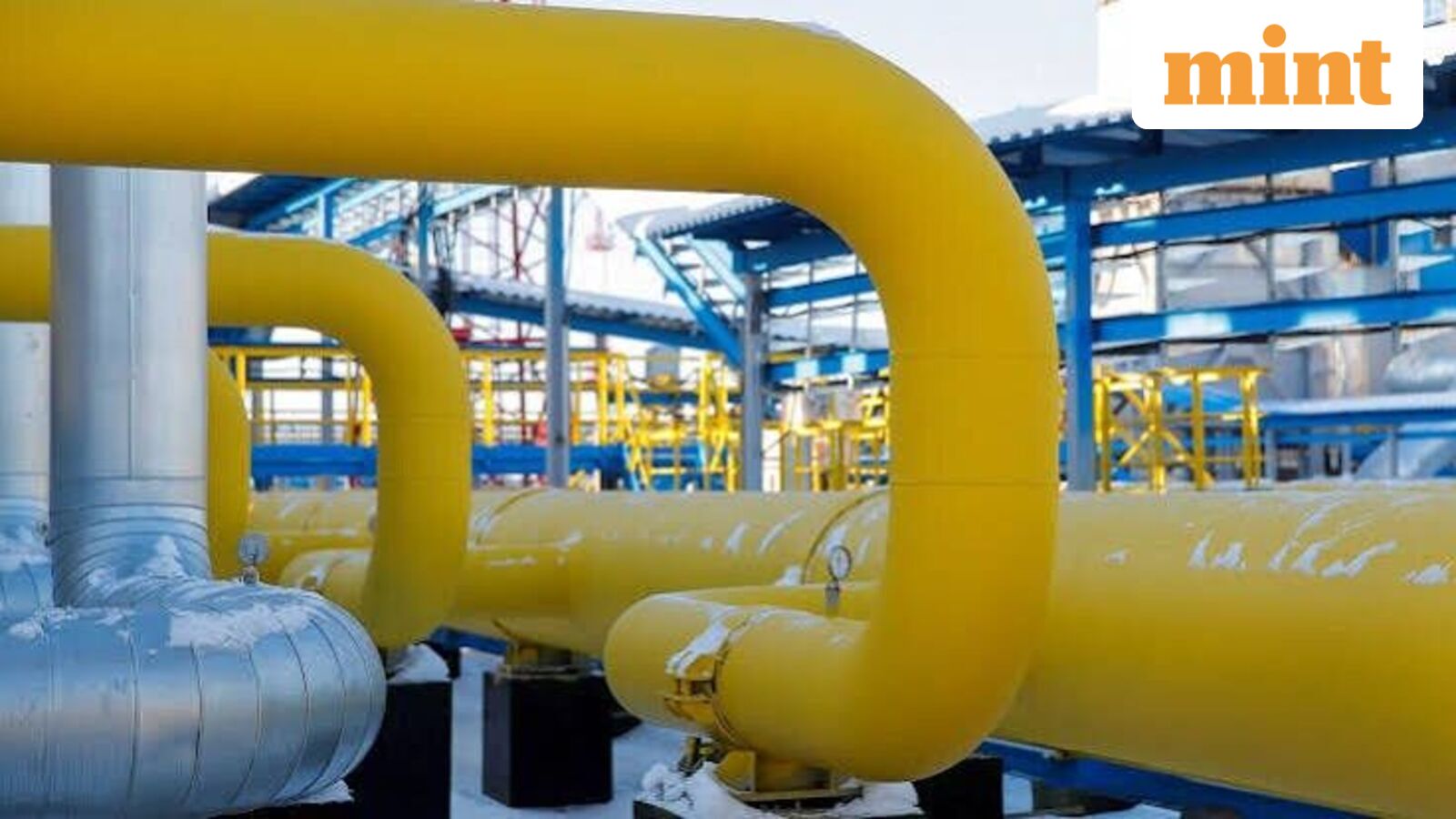
India's Petroleum and Natural Gas Regulatory Board (PNGRB) has greenlit plans for approximately 1,800 kilometers of new liquefied petroleum gas (LPG) pipelines across six states, with an estimated investment of ₹7,000 crore. The expansion aims to bolster fuel supply networks and diminish reliance on road transportation, reducing the number of tanker movements and enhancing safety.
The regulator has approved three major pipeline projects spanning Telangana, Maharashtra, Uttar Pradesh, Uttarakhand, Karnataka, and Goa, which will be developed by state-owned GAIL (India) Ltd. Once finalized, these new projects will augment the regulator-approved common-carrier LPG pipeline network, expanding it from around 7,700 kilometers to approximately 9,500 kilometers—a growth of about 23.5%.
The pipeline expansion is anticipated to fortify LPG distribution nationwide, as India heavily relies on imports through coastal terminals before distribution to inland markets. A more extensive pipeline network could streamline the movement of LPG to consumption centers, making the process more efficient and dependable. The three newly approved projects include a 556-kilometer pipeline connecting Telangana and Maharashtra, a 611-kilometer line linking Uttar Pradesh and Uttarakhand, and a 633-kilometer pipeline connecting Maharashtra, Goa, and Karnataka.
These projects complement the already approved 2,757-kilometer Kandla-Gorakhpur LPG pipeline, the country's longest LPG pipeline. The expanded pipeline network is projected to curtail India's dependence on road transport for LPG movement, thereby decreasing the number of tanker movements, improving road safety, and lowering transportation expenses.
Moving LPG through pipelines is generally considered safer, more cost-effective, and less prone to risks associated with transporting hazardous fuel on roads. The regulator has been striving to minimize the primary transportation of LPG by road to bottling plants, especially in light of several major accidents involving LPG tankers.
The projects also hold strategic significance for India, given the country's substantial dependence on imported LPG. As most LPG imports enter India via coastal terminals, significant quantities must be transported inland. A nationwide pipeline network could offer an alternative to road transportation, ensuring uninterrupted supplies during emergencies, disruptions, or sudden surges in demand.
The pipelines could also provide line-pack storage, enabling LPG to be held within the network as it flows, offering greater flexibility and managing short-term disruptions. The newly approved projects are part of a broader initiative to develop an integrated LPG pipeline network connecting coastal import terminals with major consumption hubs, alleviating the burden on road-based logistics.
Written by urgent.news from Live Mint's reporting — not their text. Machine-written — may contain errors; check the original before relying on it.