ICYMI: here's the week's 7 biggest tech news stories from the major GTA 6 leaks to Meta's $1.4 trillion lawsuit
The week's biggest tech news stories from Google, Meta, Rockstar and more for August 22, 2026.
Here's my recap of the week's top tech news:
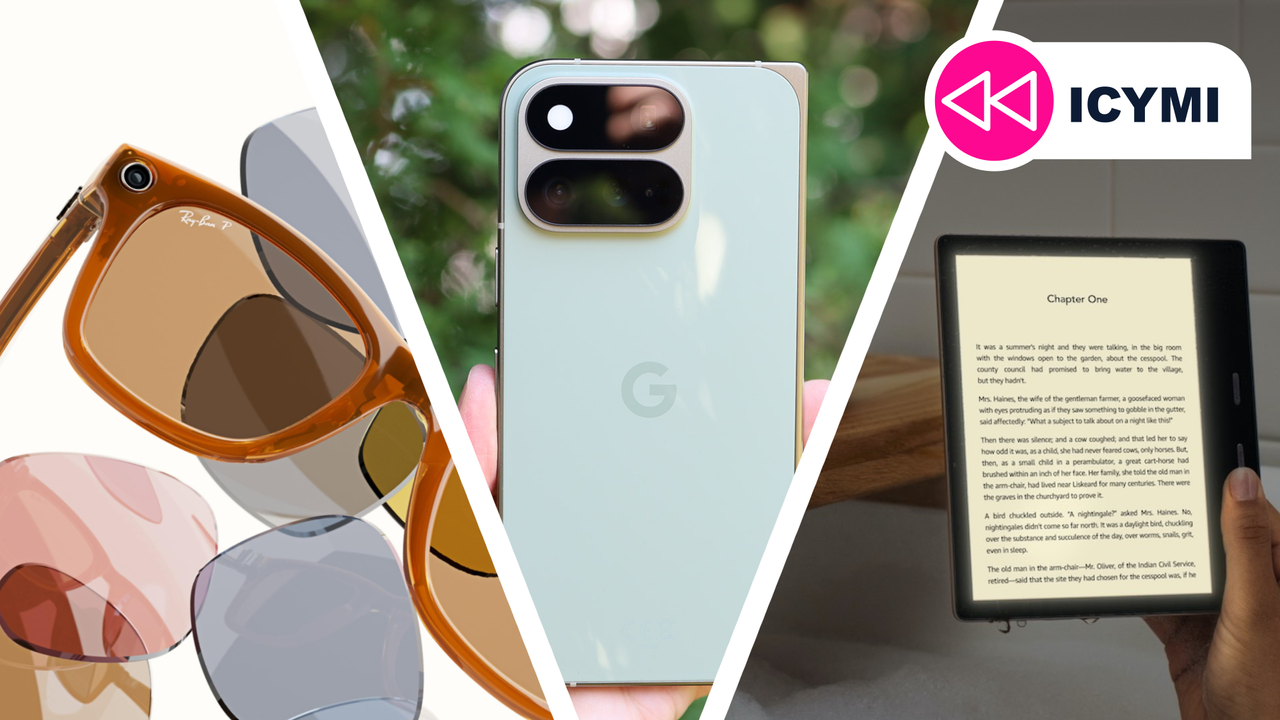
1. Amazon has angered Kindle owners by pushing stricter DRM on its Kindle Oasis ereaders. The new update makes it harder to share books with non-Kindle devices and prevents users from reading Libby-borrowed books beyond their due date without an internet connection.
2. UK regulators have greenlit the first plug-in solar kits for home use, starting at £699. While still pricey, this is much cheaper than a full solar installation. Plug-in solar is gaining traction in the UK with 30 US states also planning to legalize the technology.
3. Tesla's Robotaxi had a rough day in Texas, crashing into plastic traffic posts just weeks after the company boasted about its "impeccable safety record". This comes as Tesla prepares to trial its fully autonomous Cybercab on public roads, suggesting human-driven cabs may be around for a while longer.
4. The highly anticipated Grand Theft Auto 6 game leaked this week, with major leaks revealing new gameplay, the entire map, and cutscenes. Hacker group Cyberleek claims responsibility, saying it's a protest against Rockstar's digital-only release strategy. Some leaks appear to be old, but the high polish makes it unclear how much has changed.
5. Meta's smart glasses are facing bans in various private spaces like pubs, cafes, restaurants, UK cinemas, and even regular theaters. This is due to privacy concerns and potential for spying or piracy. While government action is still being considered, private businesses are already taking steps to address the issue.
6. Meta faces a potential $1.4 trillion lawsuit from 32 US states. Attorneys General argue that Meta's technology hooked teens and younger users on its platforms, ignoring potential harms. If Meta loses, it could potentially reshape the social media landscape.
Written by urgent.news from TechRadar's reporting — not their text. Machine-written — may contain errors; check the original before relying on it.