I test TVs for a living — here's what I'd buy for $500, $1,000 and $2,000 in 2026
I've spent over a decade testing and reviewing the best TVs on shelves. Here are the TV deals I'd buy right now across three popular price points.
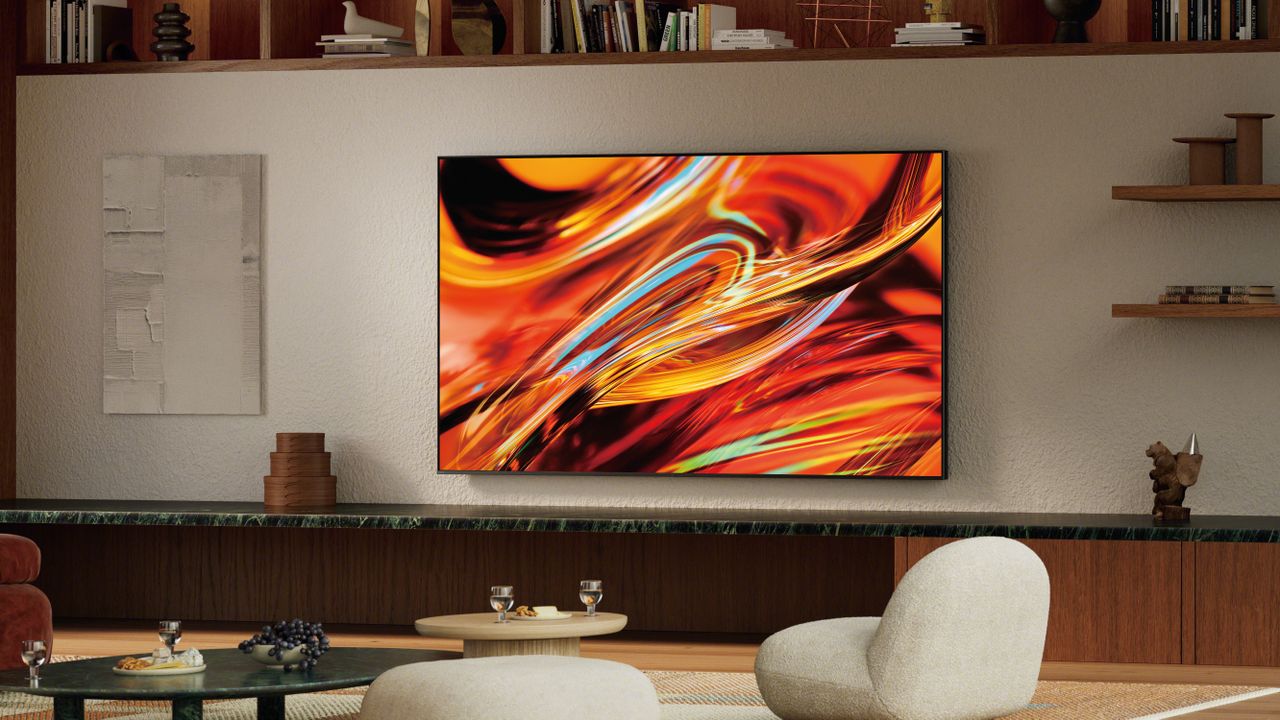
When friends and acquaintances ask for my professional opinion on purchasing a new TV within a specific budget, I usually receive three main price ranges: $500, $1,000, and $2,000. Although there are cheaper options and ultra-premium TVs above $2,000, most of the best TVs fall within the $500 to $2,000 range. In this scenario, I will provide my expert advice on the best TVs in each budget category.
At $500, the Hisense U6SF Pro (55 inches) is an excellent choice. This TV features Mini-LED backlighting, offering a peak brightness of 1,200 to 1,400 nits, perfect for both daytime and movie viewing. It includes two HDMI 2.1 inputs and supports 4K gaming at 120Hz, making it a versatile and affordable option. However, it is limited to a 55-inch screen size.
The $1,000 budget opens up numerous possibilities. Among them, the 55-inch TCL QM7L stands out as one of the best mid-range TVs of the year. This TV comes with TCL's brand-new Super Quantum Dot (SQD) display technology, which enhances color range on Mini-LED displays. The QM7L delivers a color volume similar to the flagship TCL QM8L, making it a great value for its price. It is currently available for just under $1,000.
Finally, at $2,000, the Sony Bravia 7 II (65 inches) is an outstanding choice. With Sony's True RGB technology, this TV offers a wide color range and comparable features to Sony's top-tier Bravia 9 II. While not as bright as the high-end model, the Bravia 7 II still provides a punchy and cinematic viewing experience for a reasonable price.
Written by urgent.news from Tom's Guide's reporting — not their text. Machine-written — may contain errors; check the original before relying on it.