I test tablets for a living — here are the pros and cons of using them for school
Wondering whether a tablet is right for your kid’s schoolwork? Here’s a breakdown of the advantages, drawbacks, and what parents should consider.
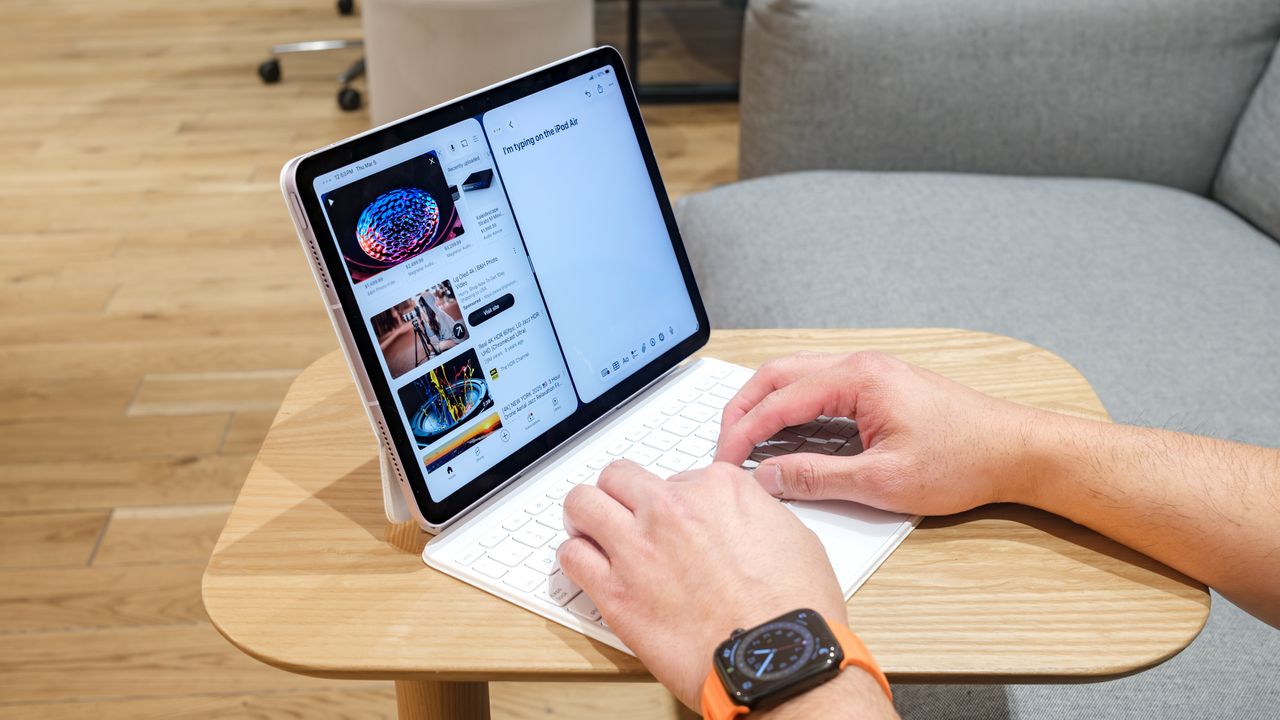
When contemplating whether to equip your child with a tablet for school, it is a prudent decision. Tablets boast several advantages over traditional laptops. They are notably lighter, often costing less than Chromebooks, and students are already familiar with their usage. Their appeal is undeniable. However, a tablet is not merely a miniature computer; it possesses unique strengths and constraints for academic pursuits.
Before purchasing a tablet for your child this year, it is essential to have a clear understanding of both its advantages and disadvantages.
After reviewing numerous tablets over the years and testing models like the iPad Pro, I have gained insight into when a tablet proves effective for schoolwork and when it falls short. Below is an analysis of the pros and cons of using a tablet for school to assist in making the appropriate decision.
Pros of using a tablet for school:
The tablet's sleek design is hard to surpass. Most students can easily place an iPad or a mid-range Android tablet in their backpack without any hesitation, given their slender and lightweight nature. Many models can sustain a full school day on a single charge, and they become operational the moment they are taken out of standby mode or the cover is opened.
This reduced friction proves particularly advantageous for younger students. Tablets are also highly suitable for more visual and interactive schoolwork. Reading digital textbooks, annotating PDFs using a stylus, watching brief instructional videos, and utilizing educational apps all feel intuitive on a tablet. Numerous schools deliver their content via platforms such as Google Classroom, which functions seamlessly with tablets.
If your child requires sketching, capturing photos of notes, or completing interactive worksheets, a tablet with a quality stylus may feel more natural than a conventional laptop.
Moreover, tablets are often more affordable than budget laptops, and there is generally less maintenance required. For a student who primarily needs a device for reading, research, light writing, and school applications, a tablet can accomplish much without the added complexity of a full-fledged computer.
Written by urgent.news from Tom's Guide's reporting — not their text. Machine-written — may contain errors; check the original before relying on it.