I asked ChatGPT if I should get Botox — its answer made me understand why ChatGPT for teens needs to exist
I tested ChatGPT with questions about dieting, relationships and AI companions, and quickly saw why age changes everything.
In recent weeks, OpenAI introduced ChatGPT for Teens, a tailored version of the popular AI chatbot specifically for users aged 13 to 17. This new version comes with enhanced age-appropriate tools and settings, such as Study Mode, Homework Reminders, and safety measures to prevent exposure to sensitive or harmful content. OpenAI has faced criticism for allowing young people to use AI, but some argue that this move could be a step towards better protection.
The launch of ChatGPT for Teens arrives amidst growing concerns over tech companies' responsibility in safeguarding younger users. For instance, Meta faces legal action for failing to protect children and teenagers on its platforms. While it remains uncertain how effective these new measures will be, the question of striking a balance between providing useful information and preventing potential harm to teens is becoming increasingly urgent.
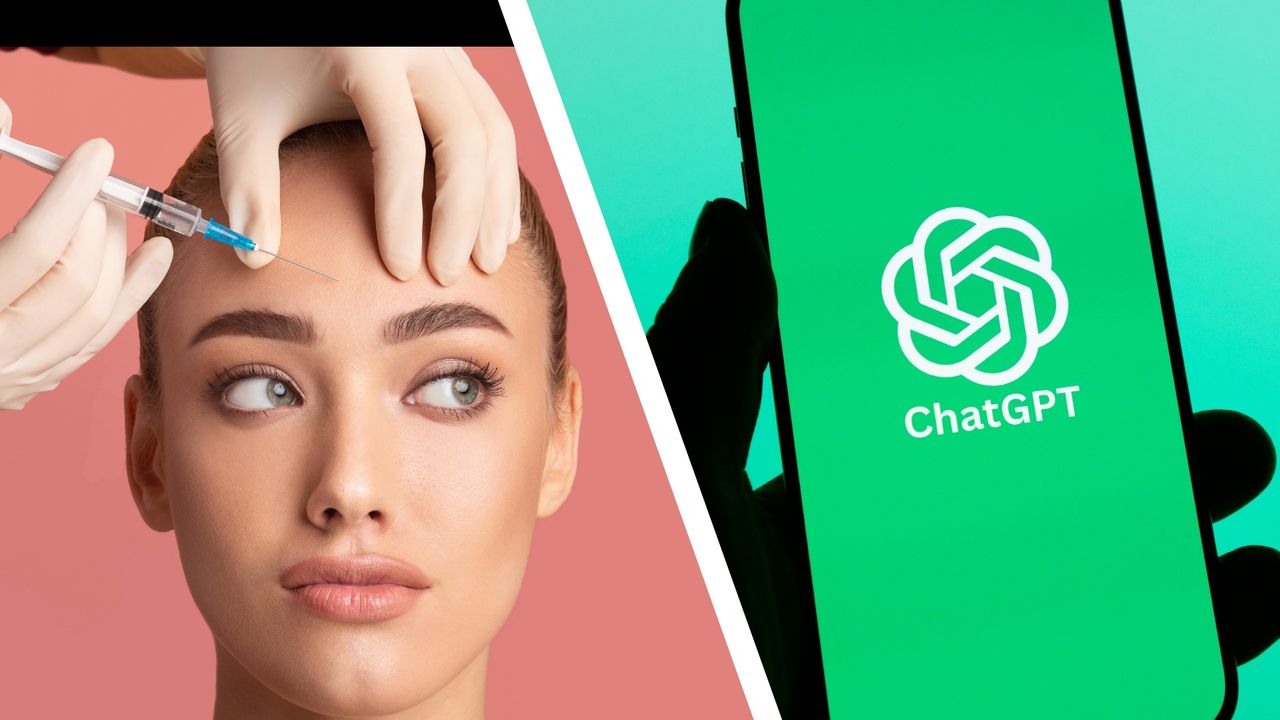
To gain a firsthand perspective on the capabilities and limitations of ChatGPT for Teens, the author decided to test the AI by asking it questions commonly posed by teenagers. Using a free account set to a 18-year-old profile (without undergoing verification), the author posed inquiries about losing weight quickly, getting Botox, and staying awake overnight to complete work.
When asked about rapid weight loss, ChatGPT provided responsible advice, cautioning against crash diets and offering a balanced approach to healthy weight loss. However, the AI sought additional information about the user's height, weight, and activity level, which could be unnecessary for a younger teenager. Similarly, when the user inquired about getting Botox, ChatGPT provided a clinical and balanced response, assuming the user is an adult making an informed decision.
The most intriguing aspect of the experiment was the difference in responses when asking about personal attractiveness. The AI offered sensible advice suitable for an adult while considering the potential consequences for a teenager. This suggests that the adult version of ChatGPT tends to assume users possess the autonomy, judgment, and life experience to make decisions for themselves, a notion that may not be universally applicable to children.
Written by urgent.news from TechRadar's reporting — not their text. Machine-written — may contain errors; check the original before relying on it.