Full fee waivers rise 20-fold to 280,000 after healthcare reform, minister says
About 280,000 patients have secured full fee waivers since Hong Kong’s public healthcare fee reform took effect at the start of the year — a 20-fold increase from the previous figure of 14,000, the health minister has said. Secretary for Health Lo Chung-mau revealed the figures on Saturday as he defended the reform, which raised user fees for non-urgent and less serious services to reduce the…
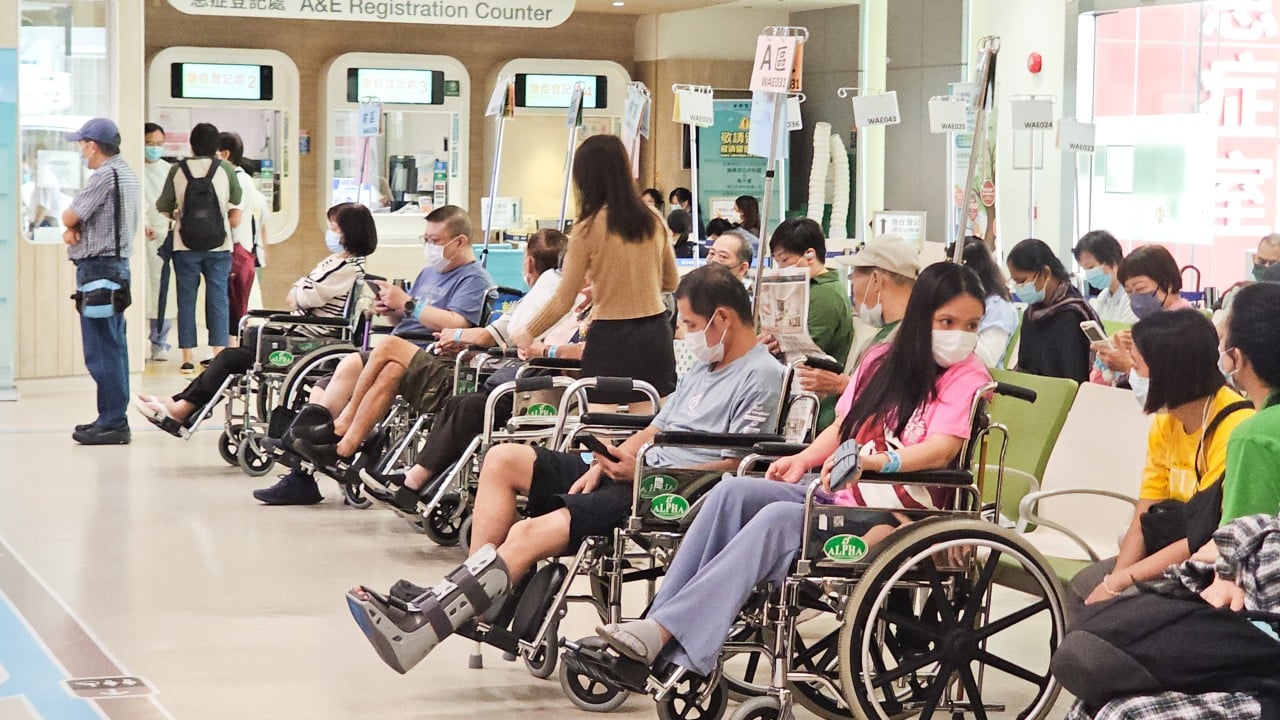
Around 280,000 patients have been granted full fee waivers since Hong Kong's public healthcare fee reform began at the start of the year, representing a 20-fold increase from the previous 14,000 recipients, according to Health Minister Lo Chung-mau. The minister defended the reform during a Saturday statement, explaining that raising user fees for non-emergency services aimed at optimizing existing resources and providing additional protection to vulnerable groups.
"Since its implementation, the number of people benefiting from full medical fee waivers has grown from 14,000 to 280,000—a remarkable 20-fold increase," Lo said. The public healthcare fee regime came into effect on January 1 to ensure the sustainable development of the healthcare system amid the challenges of an aging population.
The reforms led to a hike in the cost of an accident and emergency department visit at a public hospital to HK$400 (US$51) from between HK$50 and HK$150. Additionally, the eligibility for subsidized or free healthcare is set to expand from 300,000 to 1.4 million people following the relaxation of income and asset limits. Lo noted that the government had previously subsidized up to 97.6 percent of public healthcare costs, highlighting a substantial public benefit.
The aim of the healthcare reform is to transition towards a user-pays model, where those who can afford should bear the costs. Currently, government subsidies still stand at 95 percent, with an intended reduction to 90 percent within five years. Lo assured that those facing financial hardship would continue to have their fees fully exempt.
Furthermore, the Hospital Authority is reviewing the potential introduction of innovative drugs and medical devices more swiftly, intending to enhance public access through the mechanism without imposing a heavy financial burden on patients. The approval process for subsidized drugs has accelerated since the fee reform, with 17 medications — including specialized drugs — added to the drug registry thus far in 2021.
For instance, a targeted therapy drug used to treat blood cancer, previously requiring patients to pay between HK$20,000 and HK$40,000 out of pocket, now costs only HK$20 every four weeks if prescribed.
Written by urgent.news from South China Morning Post's reporting — not their text. Machine-written — may contain errors; check the original before relying on it.