From Zurich to Jantar Mantar to Ladakh: Under Raqs’ disobedient shamiana
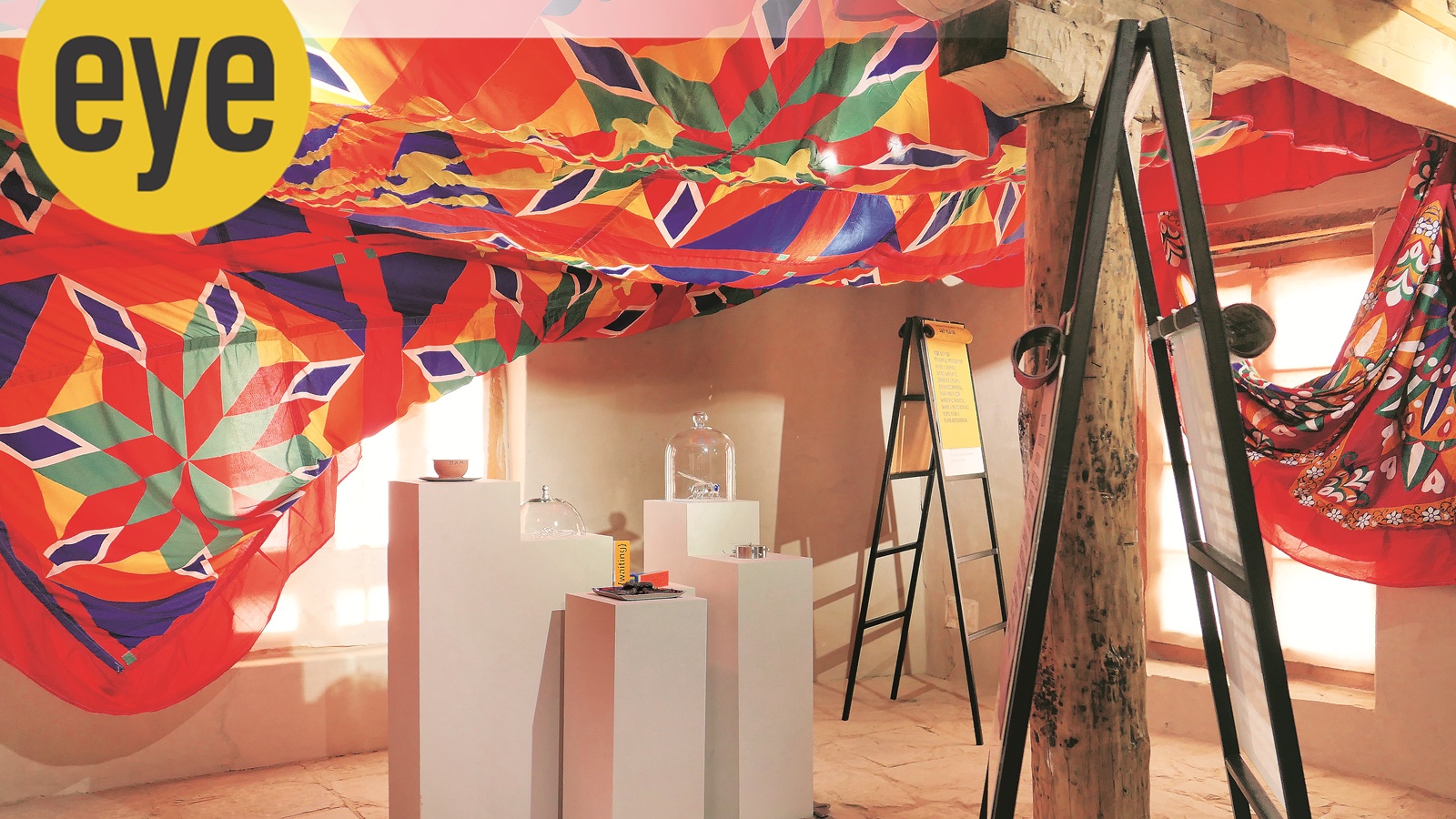
The Wayfarer Series by Raqs Media Collective has been featured in various significant locations, including Zurich, Jantar Mantar, and Ladakh. The colourful fabric with a navratna pattern, known as the shamiana, is a traditional ceremonial tent in India and South Asia, but also a symbol of resistance. The collective, consisting of Jeebesh Bagchi, Shuddhabrata Sengupta, and Monica Narula, has been active since 1992, creating works that blend artistic and political themes.
This month, the shamiana was exhibited at Ladakh Arts and Media Organisation (LAMO) building in Leh as part of the Wayfarer Series. Previously, it had been displayed at Zurich's Migros Museum für Gegenwartskunst as part of Disobedience Archive (Canopy for Broken Time) for four months. The move to Ladakh coincided with a student protest against the country's fragile education system at Jantar Mantar in Delhi.
For Sengupta, this time represents a "watershed" moment, portraying a new generation thinking creatively about the future and politics. The collective's work often explores the intersection of politics and the quotidian, with their art and films examining human-nature conflict, environmental destruction, and societal issues. The shamiana serves as a metaphor for the collective's practice, embodying a reality they have grown up with and reflecting upon its effective exchange with the world.
Written by urgent.news from The Indian Express's reporting — not their text. Machine-written — may contain errors; check the original before relying on it.