Excessive heat may impact male fertility, Russian study finds
Researchers warn that high temperatures can disrupt the cellular balance essential for normal male reproductive function, highlighting new fertility risk factors.
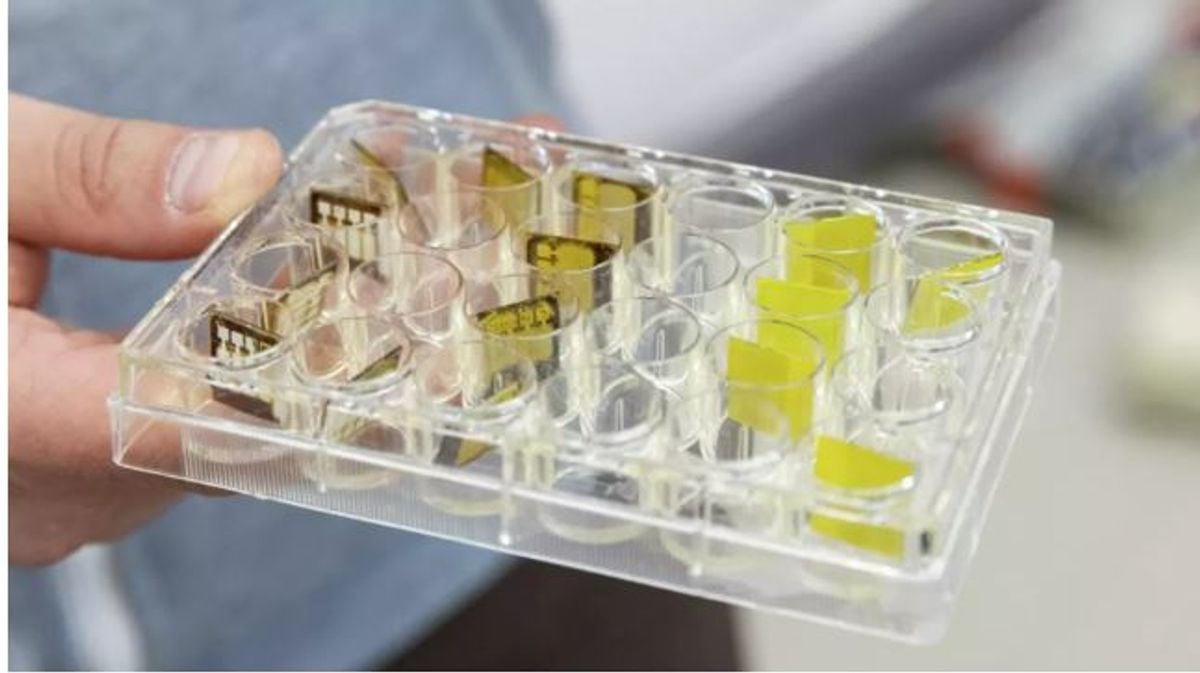
A recent Russian study reveals that excessive heat may be impacting male fertility by disrupting the delicate cellular balance necessary for proper reproductive function. Researchers at the Institute of Immunology and Physiology, affiliated with the Ural Branch of the Russian Academy of Sciences and Ural Federal University, discovered that high temperatures can interfere with the microenvironment within the testes, which is crucial for normal sperm formation and testosterone production.
Traditionally, male infertility research has primarily focused on sperm quality, including concentration, motility, function, and genetic characteristics. However, growing evidence suggests that the environment inside the testes plays a vital role in ensuring healthy sperm production and hormonal balance. The study identified mast cells, a type of immune cell, as one of the key cell types that respond strongly to heat stress. Mast cells contain biologically active substances that can affect nearby cells when activated.
The researchers warn that modern lifestyle factors such as a sedentary lifestyle, obesity, wearing tight underwear or trousers, and exposure to heat in the workplace may increase the risk of heat-related fertility issues. While the biological consequences of heat exposure depend on its intensity and duration, many changes are reversible, according to senior researcher Yulia Khramtsova.
She noted that a single sauna visit is unlikely to cause permanent reproductive dysfunction in healthy individuals, but prolonged and regular heat exposure in certain professions could lead to more significant changes in sperm composition.
Written by urgent.news from Ajel English's reporting — not their text. Machine-written — may contain errors; check the original before relying on it.