El Niño could be strongest in living memory, put 2027 on track as hottest year
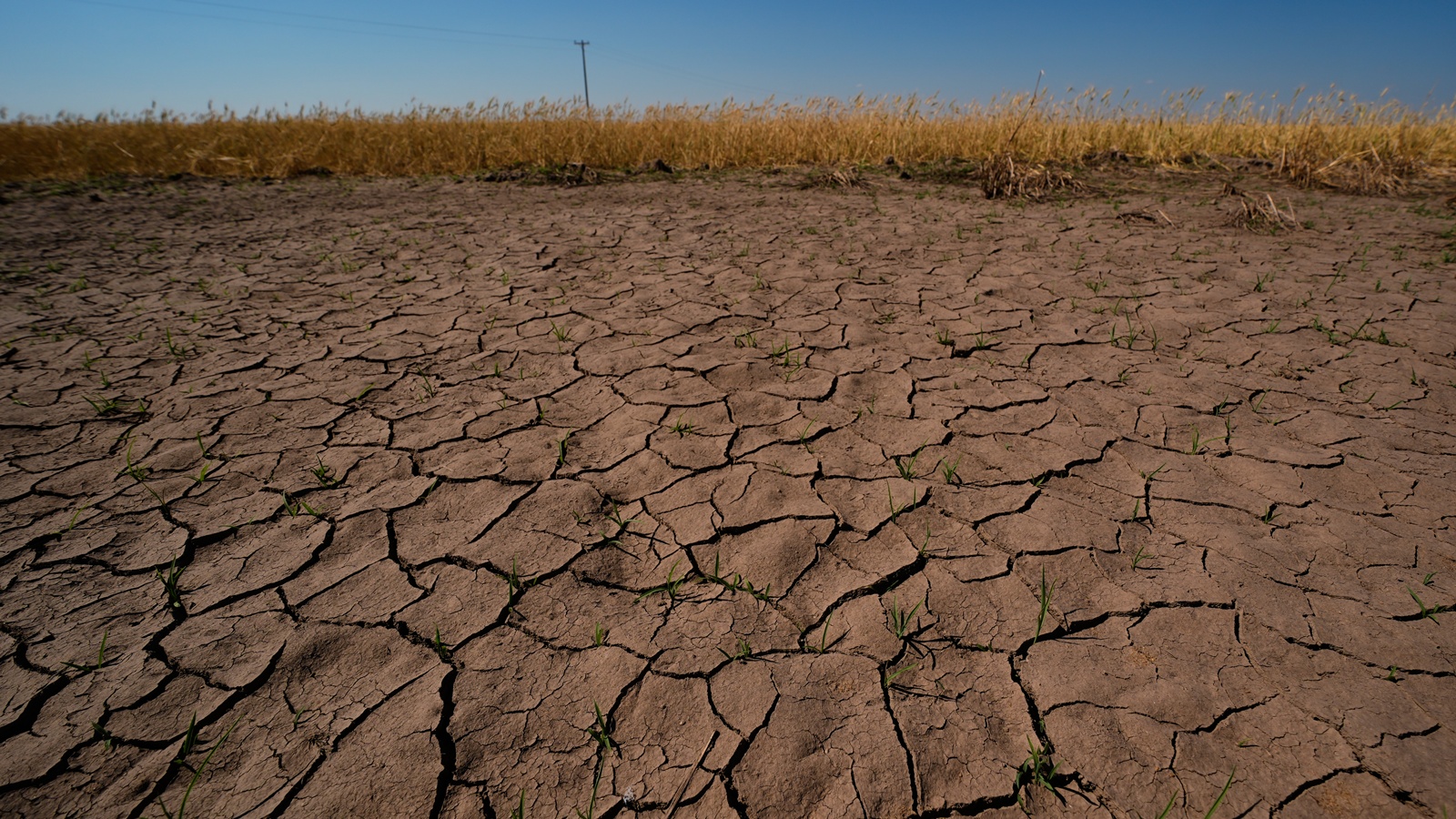
The El Niño weather phenomenon over the Pacific may reach unprecedented levels, potentially making 2027 the hottest year on record, warns the UK Met Office. This could be due to the combined impact of El Niño and human-induced climate change. Already, the El Niño is affecting global weather patterns; India's southwest monsoon is experiencing below-average rainfall, while Atlantic hurricane activity is lower than usual.
The phenomenon may bring wetter and stormier autumns to the UK and parts of northwest Europe. Met Office head of long-range forecasting, Prof Adam Scaife, stated that this El Niño is unprecedented and that he has never seen such an intense signal in their forecasts. El Niño happens when trade winds over the Pacific weaken or reverse, allowing warm water to move eastward, releasing heat into the atmosphere and raising global temperatures.
Sea surface temperatures in a crucial Pacific region are already more than 2°C above average and could rise beyond 3°C during the peak of the event, a level unseen since records began in 1950. These warm waters could deepen the El Niño if temperatures at around 100 meters depth are also unusually high. The consequences of this extreme El Niño could vary globally, with South Asia often experiencing weaker monsoon rains, northern South America and Australia facing drought and wildfire risks, and the southern US potentially seeing increased flooding.
Such events can also have economic impacts, affecting crops and pushing up food prices. While El Niño itself is not directly linked to climate change making the events more frequent or severe, a warmer world could exacerbate the impacts.
Written by urgent.news from The Indian Express's reporting — not their text. Machine-written — may contain errors; check the original before relying on it.