Dry mouth while sleeping: Why it happens and whether a humidifier can help
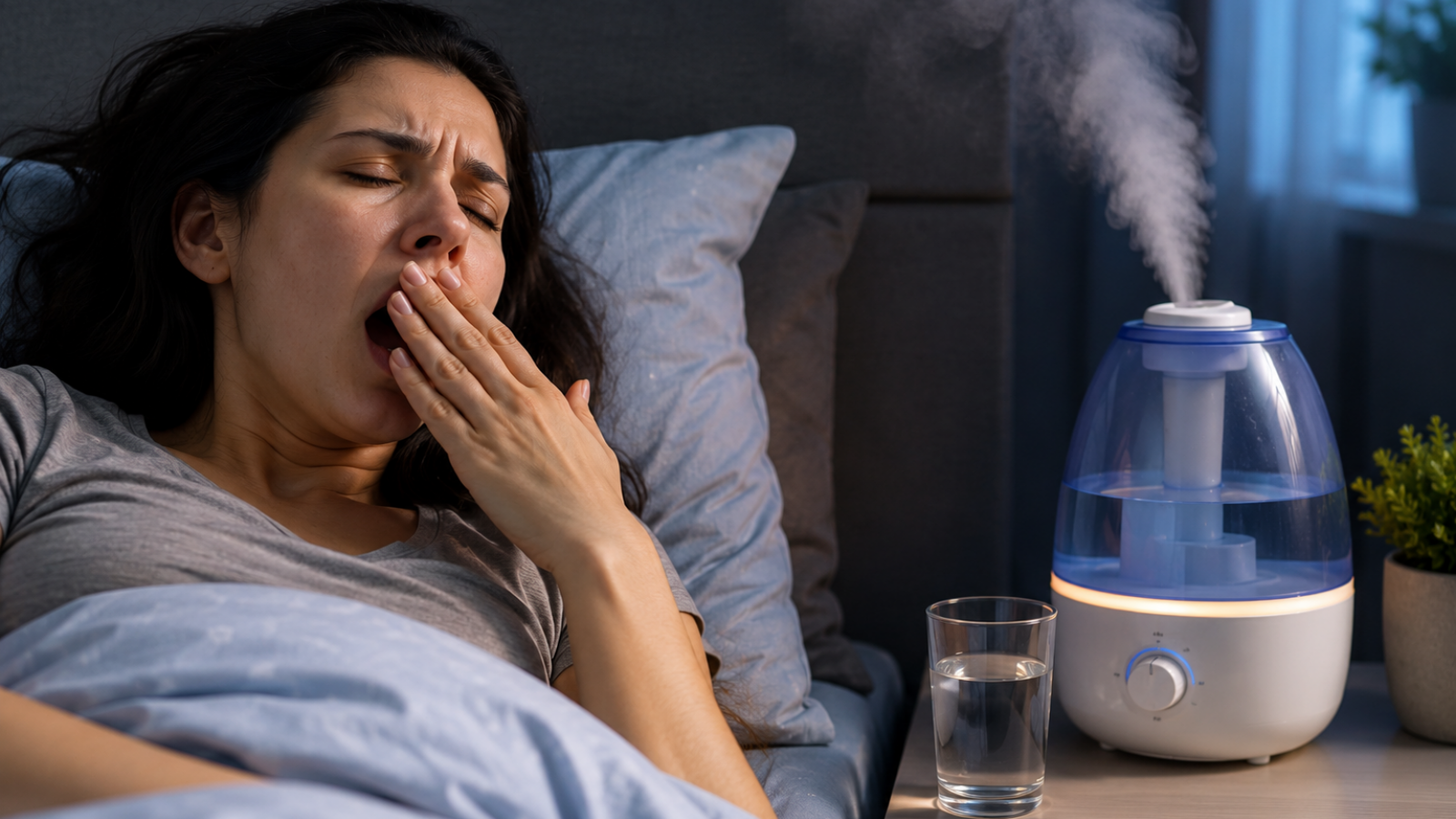
Experiencing a dry, sticky mouth upon waking can be uncomfortable for some individuals, particularly during winter or after sleeping in an air-conditioned room. The question of whether using a humidifier at night can alleviate dry mouth has been raised on Quora, prompting further investigation. Dr. Jatin Arora, Head of the Department of Dental at ISIC Multispeciality Hospital, provides insights into this matter.
Dr. Arora clarifies that a humidifier can be beneficial if dry mouth is due to dry air, especially in winter or within air-conditioned environments. The device adds moisture to the air, potentially reducing dryness. However, he emphasizes that a humidifier will not resolve dry mouth caused by medications, mouth breathing, snoring, or underlying health conditions. In essence, while a humidifier can enhance comfort in a dry setting, it does not address every cause of dry mouth.
Several factors contribute to morning dry mouth. These include sleeping with an open mouth, snoring, dehydration, certain medications, and reduced saliva production. Additional conditions, such as diabetes or autoimmune disorders, can also play a role. Identifying the precise cause is crucial for effective management and maintaining long-term oral health.
Regarding the use of a humidifier, Dr. Arora suggests maintaining room humidity between 40 and 60 percent. He advises against excessive moisture, which could foster mold growth. However, he clarifies that a humidifier should complement comfort measures but should not substitute medical advice if dry mouth persists despite lifestyle modifications. Regular cleaning of the humidifier is also essential to ensure its effectiveness and prevent bacterial buildup.
The impact of dry mouth on oral health cannot be overstated. Long-term dry mouth can lead to significant dental issues, as saliva plays a vital role in protecting teeth and gums. Without adequate saliva, the risk of cavities, gum problems, bad breath, mouth infections, difficulty chewing, and discomfort during speaking or swallowing increases. Therefore, persistent dry mouth warrants medical evaluation.
While occasional dry mouth is typically not a cause for concern, ongoing symptoms should not be dismissed. If dry mouth persists for weeks, impairs daily activities, or is accompanied by frequent cavities, mouth sores, difficulty swallowing, excessive thirst, or other symptoms, it should be assessed by a healthcare professional. A dentist or doctor can determine the underlying cause and recommend appropriate treatment strategies to safeguard both oral and overall health.
Written by urgent.news from The Indian Express - Lifestyle's reporting — not their text. Machine-written — may contain errors; check the original before relying on it.
This story
This is one outlet's version. Read the fullest account.