Deprivation points: How JNU’s unique admission model helps marginalised students
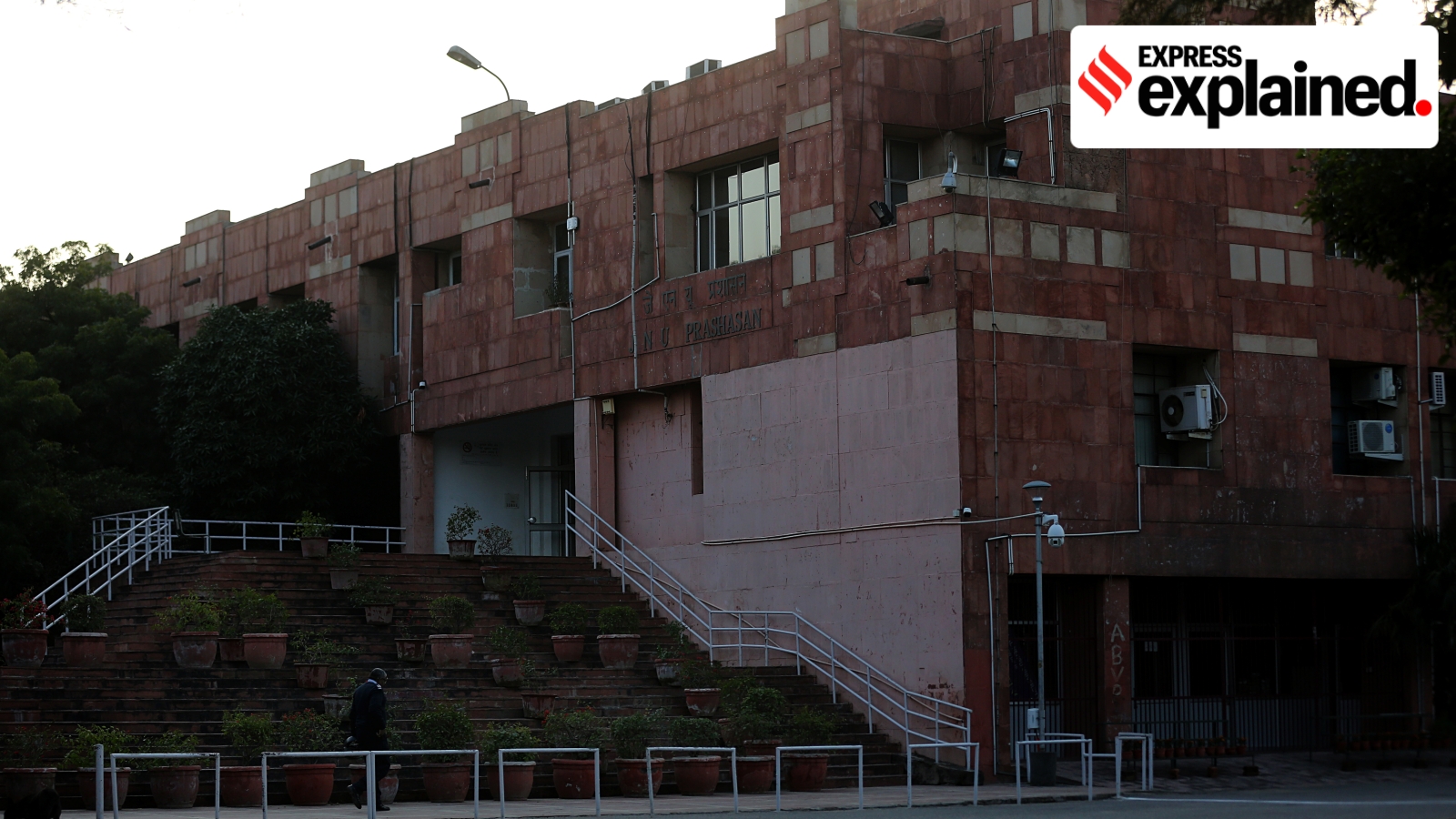
Jawaharlal Nehru University (JNU) has a unique admissions process that includes a "deprivation points" model. This system aims to provide an advantage to marginalised candidates, such as those from backward regions, women, and transgender persons. Introduced in the 1970s, the model has faced controversy but remains in place, subject to potential changes if a recent legal challenge is resolved.
Under the current model, applicants can earn a maximum of 12 deprivation points, which are added to their entrance test score before determining the final merit. These points are based on various factors, including the district they come from and their educational background.
Candidates from Quartile 1 districts, which are classified as more backward based on indicators like female illiteracy and agricultural workers, can receive up to six points for undergraduate admissions and three points for postgraduate admissions. Those from Quartile 2 districts, considered relatively less backward, can earn up to four and two points respectively. Additionally, Kashmiri migrants can receive five points, regardless of their caste or educational background.
Women and transgender candidates are also eligible for deprivation points. Under the current prospectus, female candidates can earn up to seven points if they belong to certain categories, including Scheduled Castes (SC), Scheduled Tribes (ST), Other Backward Classes (OBC), Persons with Disabilities (PwD), Quartile 1 or 2 districts, while unreserved candidates in these categories receive five points.
The deprivation points system was initially introduced to ensure JNU drew students from diverse social, economic, and regional backgrounds, rather than relying solely on academic performance. It aimed to level the playing field and uphold the principles of equality. JNU's model is unique among Indian institutions and reflects the country's commitment to affirmative action, as seen in other countries that use geographic or development indicators to improve educational access for under-represented groups.
Written by urgent.news from The Indian Express's reporting — not their text. Machine-written — may contain errors; check the original before relying on it.