Demi rakyat katanya…
Rakyat bukan tangga untuk sesiapa naik ke kuasa. Mereka juga bukan angka yang hanya dicari apabila pilihan raya semakin hampir.
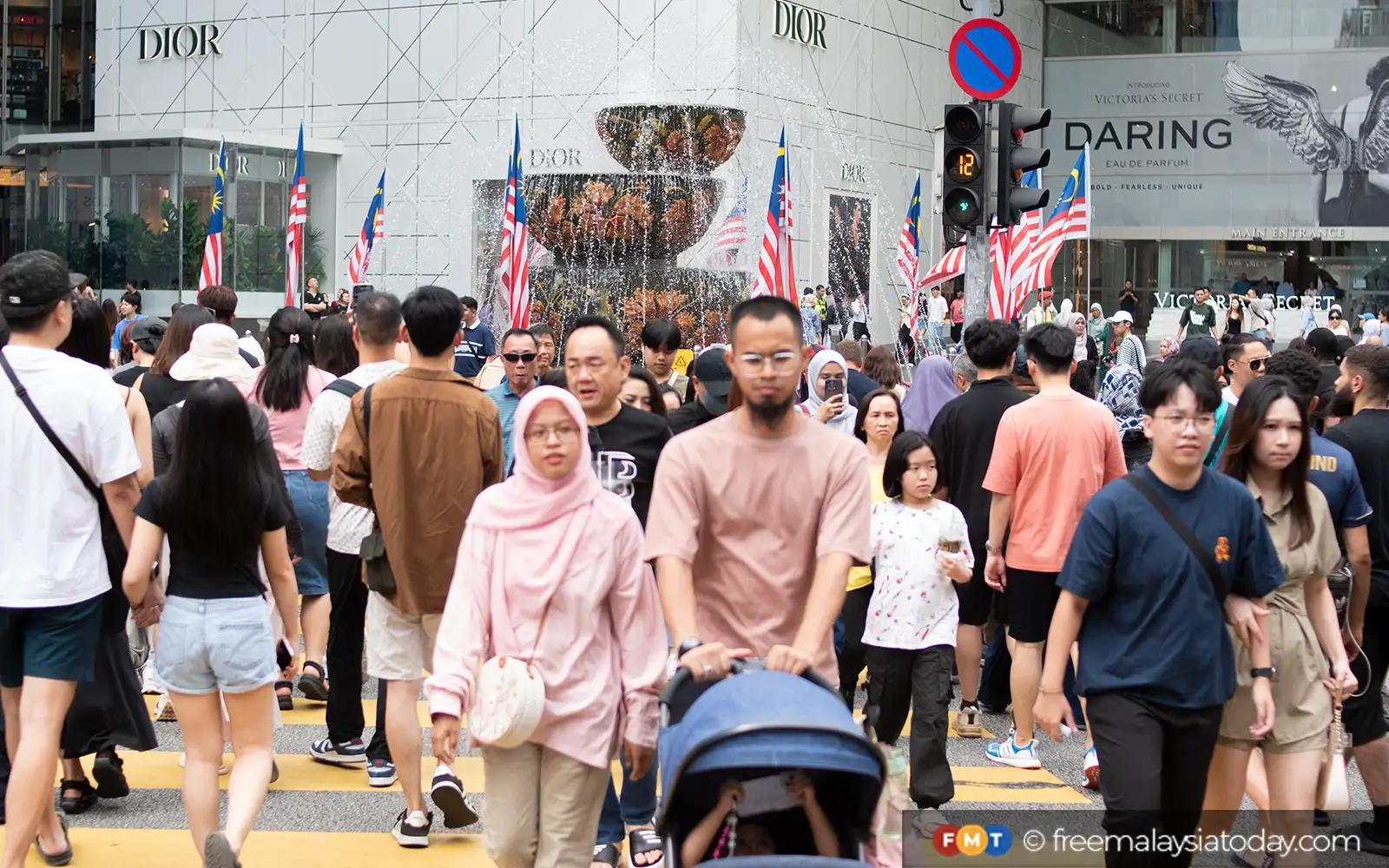
"Demi rakyat" – a term that is considered sacred, easily mentioned, and sold in politics. We hear it during elections, in campaigning, when a government maintains something, criticises something, and even opposition parties ride on it. All of that... with "demi rakyat." However, as we hear it more frequently, we must question: is the rakyat being protected or being used?
The real rakyat doesn't ask for much. They want a salary that can support their family. Prices of goods that make each market visit require double-checking. They want their children to have good jobs. They want affordable and own homes, good schools, free healthcare, and public transportation. These things might sound ordinary, but these are the everyday lives of the rakyat.
That's why politics should speak about the people's issues. The government must be reprimanded when it fails. The opposition must offer better alternatives. However, there is a difference between raising people's issues and using people's issues. If living costs become the issue, what is the solution? If salaries aren't enough, what will be done?
If young people find it hard to find jobs, how can we improve their opportunities? If homes become increasingly expensive, how can the middle class afford their own homes? These questions might not be as catchy political slogans, but these are the questions that determine the life of the rakyat. Politics sometimes takes the easier path.
Complex issues receive a simple answer. The rakyat's anger is given a target. Blame is shifted to someone else. Critics are sidelined. Then come the promises that if power changes hands, everything will change. It may be true, but the rakyat has the right to ask: how? They are not just asking who is to blame. They want to know what will be done.
Resolving the people's issues requires work. Resorting to their anger with just slogans is not enough. We also need to see how religious, ethnic, and national identity issues are used in politics. Concerns about the rakyat cannot be taken lightly, but neither should every political difference be portrayed as a threat to religion, ethnicity, or the future of the nation.
The same goes for anger towards the government. Criticism is required for democracy, but if every problem is used to generate anger without offering a way out, what exactly is being fought for? The rakyat may be angry, but once the anger subsides, the same issues remain. Prices still need to be paid. Rent still needs to be found.
Children still need jobs. Medical treatment still needs to be subsidized. At this point, politics should return to its roots. It's not everything that needs to be turned into a political fight. There is time for debate. There is time for criticism. But there is also time for action and resolving issues. The word "rakyat" is too easy and is often used by political elites and politicians.
The rakyat wants. The rakyat rejects. The rakyat is tired. But which rakyat? Malaysia does not have a single voice. There are those who support the government, those who oppose it, those who don't care much about politics, and those who change their minds when circumstances change. That's not a problem. That's democracy. The rakyat can support today and reject tomorrow.
They do not owe loyalty to any party. That's why it's wrong to assume a slogan will always be trusted simply because it's repeated often. Ultimately, the rakyat will return to their daily lives. They look at their paycheck. They calculate their grocery bill. They think about their home and car loans. They also wonder about the future of their children.
It is at this point that political promises are tested. Not at rallies. Not on posters. Not on social media. Politics cannot be separated from emotions. People are angry, disappointed, afraid, and hopeful. What should be questioned is how politics intertwines with emotions. People are angry, disappointed, fearful, and hopeful. What should be questioned is where politics intertwines with emotions.
The rakyat doesn't live with slogans. They live with salaries, prices of goods, jobs, homes, education, healthcare, and the future. The rakyat doesn't care how many slogans are shouted. They only want to know one thing: "Is our life really changing?" The writer is a substitute news writer for the Malay language FMT News. This article is the writer's opinion and does not necessarily represent FMT.
Written by urgent.news from Free Malaysia Today's reporting — not their text. Machine-written — may contain errors; check the original before relying on it.
This story
This is one outlet's version. Read the fullest account.
- Demi rakyat katanya… freemalaysiatoday.com