Delhi's electric tuktuk boom gets a hacking shock
Rickshaw drivers are pushing back on plans to ban all new non-electric versions of the vehicle from next January.
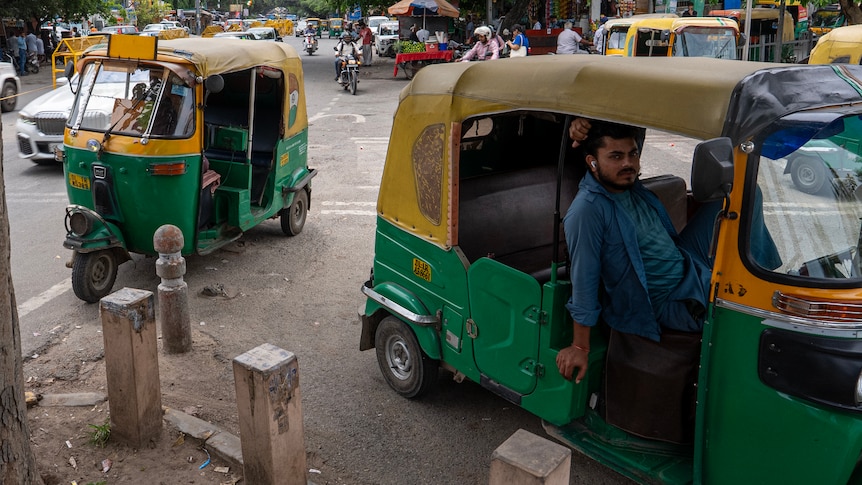
Delhi's electric tuktuk boom encountered an unexpected setback when hackers exploited unsecured Bluetooth connections to disable electric rickshaws' batteries remotely. This hack, easily replicated through a free battery management app, caused several vehicles to come to a halt on the streets. The issue sparked outrage among rickshaw drivers who depend on these vehicles for their livelihoods.
Although the Indian government swiftly ordered the removal of some Chinese battery management apps from app stores, concerns remain about the vulnerability of Delhi's electric rickshaws. With the ban on new non-electric two-wheelers set to begin in April 2028, the city's infrastructure must prepare for a surge in electric vehicle charging.
However, limited space at homes and regulatory hurdles may hinder the widespread adoption of electric two-wheelers and three-wheelers in Delhi.
Written by urgent.news from ABC News AU's reporting — not their text. Machine-written — may contain errors; check the original before relying on it.