Customs litigation: FBR introduces independent scrutiny mechanism
ISLAMABAD: The Federal Board of Revenue (FBR) has introduced a new institutional mechanism for independent scrutiny of customs litigation before cases are taken to the High Courts, Supreme Court or Federal Constitutional Court, with the objective of improving the quality of litigation, ensuring consistency in legal decisions and reducing unnecessary or weak cases. The new rules, through a…
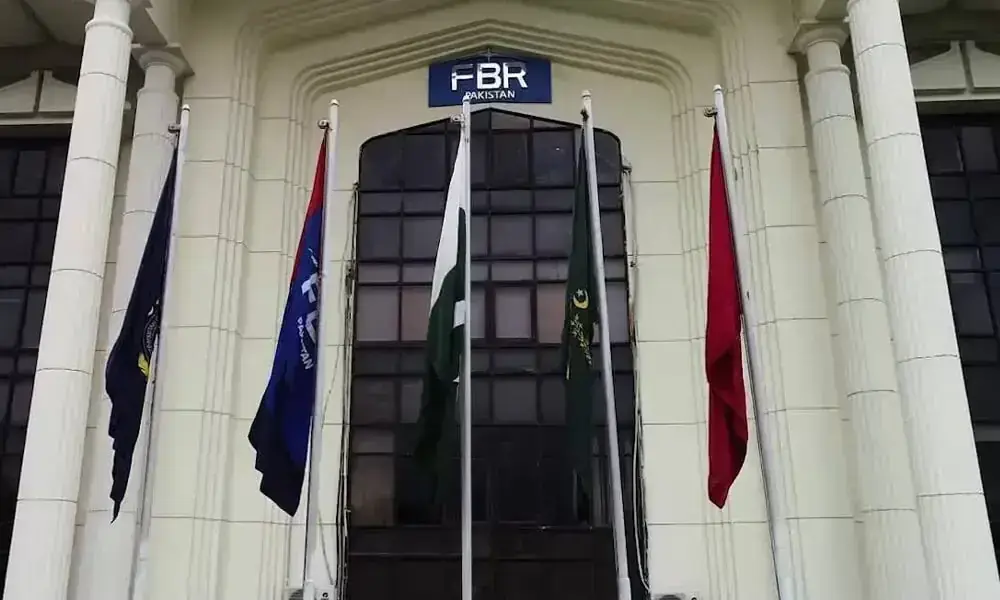
The Federal Board of Revenue (FBR) has implemented a new system for independent review of customs litigation prior to cases being escalated to higher courts. This move aims to refine the quality of litigation, maintain consistency in legal decisions, and curb weak or unnecessary cases. The changes have been formally published and are now in effect.
The FBR has established four independent case scrutiny committees, each with a specific geographic jurisdiction. These include committees for Islamabad, Gilgit-Baltistan, Peshawar and central regions, Punjab, and southern areas.
Each committee comprises a retired Supreme Court or High Court judge as chairperson, an experienced advocate in Customs and tax litigation, and a serving or retired Pakistan Customs Service officer. Before filing a reference to a High Court or petitioning the Supreme Court or Federal Constitutional Court, cases must first be reviewed by the relevant committee.
The committees will examine cases, periodically reassess pending references, and update a database of settled legal questions and precedents. They will also identify systemic issues that may require legislative or administrative solutions.
In addition, the committees will review ongoing cases to determine if further litigation is justified, potentially allowing the FBR to drop cases where no further legal action is required. The FBR is also developing a digital platform to manage the referral and processing of cases through a dedicated portal or modifications to the existing WeBOC system.
Until this portal is live, case referrals will be handled manually, with all necessary information provided within 15 days. If a recommendation is not made within this timeframe, the case is presumed cleared for filing, provided all other legal requirements are met.
Written by urgent.news from Business Recorder's reporting — not their text. Machine-written — may contain errors; check the original before relying on it.