Computational Approach
This website is currently under construction. Please see the full NASA Common Research Model website for current information. Computational Approach There are numerous variables in a computational approach, some of which include the grid generation, the flow solver used, the boundary conditions used, the solution procedure and the force and moment integration. The Common Research […] The post…
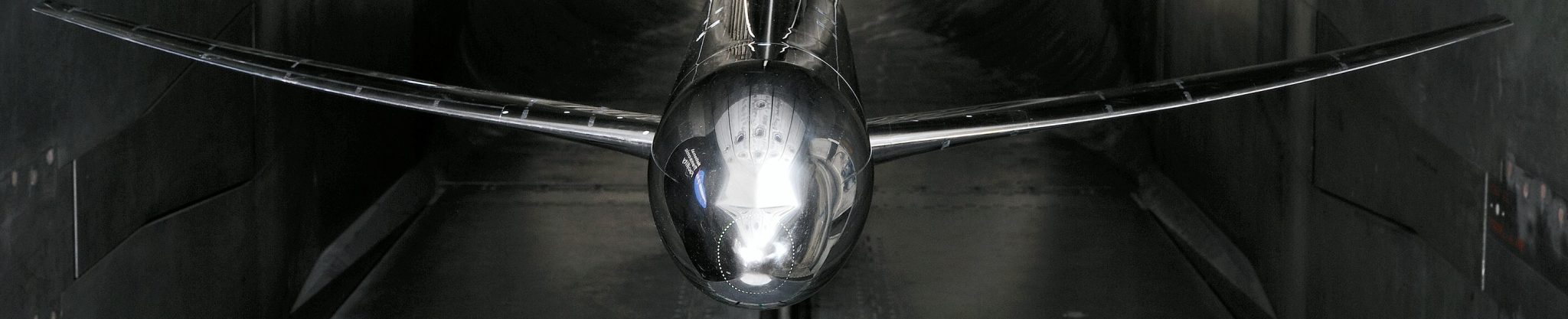
The computational approach employed in research involving the NASA Common Research Model (CRM) involves various factors such as grid generation, flow solver selection, boundary conditions, solution procedures, and force and moment integration. This methodology was utilized for the Drag Prediction Workshops 4, 5, and 6, with further details available on their respective websites.
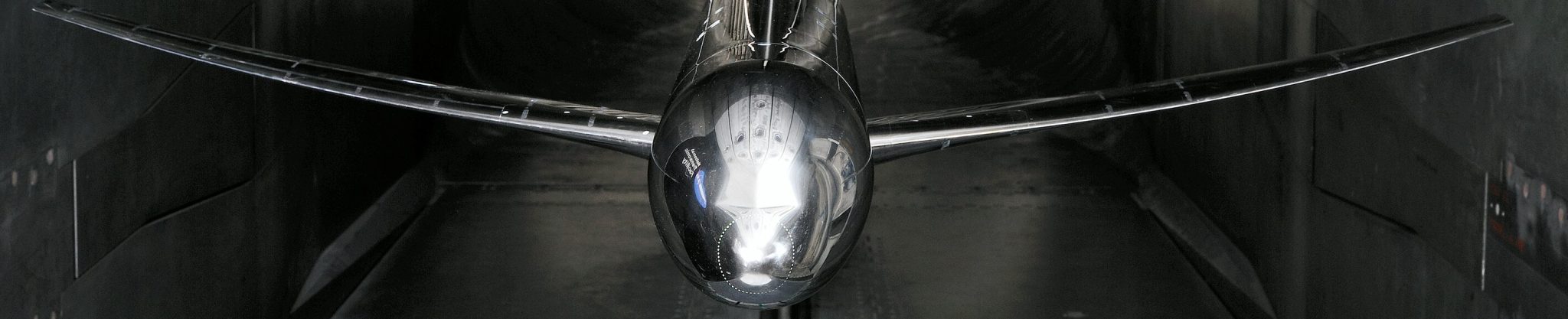
Upon analyzing CRM data, a discrepancy was discovered between the Computational Fluid Dynamics (CFD) geometry and the actual wind tunnel model geometry. To address this, the CFD geometry was adjusted to match the wind tunnel model geometry, resulting in two versions: "original" and "twisted". This modification is documented in the paper AIAA-2012-0707.
The research team has compiled all available data on the computations involving the CRM geometry, which can be accessed through the provided link. For a comprehensive list of publications related to computations on the CRM, visitors are directed to the Publications page.
The team encourages the submission of CFD results on the CRM geometry, explaining the distinction between the "original" and "twisted" geometries in a dedicated section. However, it is important to note that the results from the Drag Prediction Workshops will not be shared on this page, as they can be found on the individual workshop pages.
Written by urgent.news from NASA Science's reporting — not their text. Machine-written — may contain errors; check the original before relying on it.