Circumstances of Ukraine’s nuclear disarmament should be investigated by Parliament, former MP says
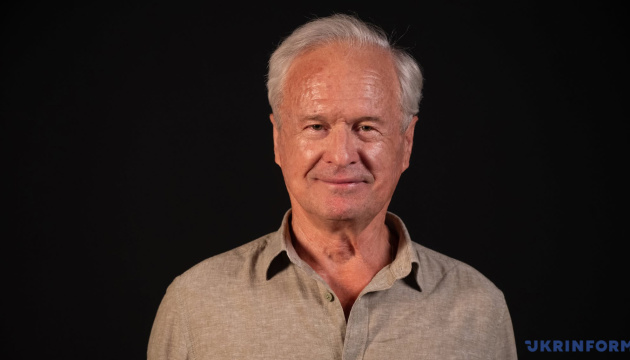
Ukraine was not destined to completely relinquish its nuclear capability: in 1992–1993, parliament linked nuclear disarmament to security guarantees and progress toward NATO membership. However, according to Yurii Kostenko, a five-term Member of Parliament, the executive branch effectively departed from Parliament’s position, and Ukraine’s strategic warheads were transferred to Russia.
A parliamentary committee defended its earlier decision to block five bills meant to bolster Ukraine's anti-corruption efforts on Aug. 21. These bills are prerequisites for receiving 2.1 billion euros by the end of 2026 and advancing Ukraine's EU accession talks. The reforms aim to expand anti-corruption agencies' authority, reform the Prosecutor General's Office and State Investigation Bureau, and repeal legislation hindering corruption cases.
The Ukrainian parliament's law enforcement committee blocked the bills on Aug. 19 by not putting them on the agenda of the current session, set to conclude in January. To become valid, the decision must be approved by Ruslan Stefanchuk, speaker of the Verkhovna Rada. This move has sparked outrage and criticism from pro-reform lawmakers and anti-corruption activists.
The committee stated it had not rejected the bills but recommended not including them due to not being designated as EU legislation. Lawmakers argue the decision violates parliamentary procedure and is a setback for EU integration and anti-corruption reforms.
Written by urgent.news from Kyiv Independent's reporting — not their text. Machine-written — may contain errors; check the original before relying on it.
This story
This is one outlet's version. Read the fullest account.
- Scandal erupts over Ukraine's parliament move to block key EU integration bills kyivindependent.com