Canada plots economic Plan B as Trump’s 50pc tariffs bite
MONTREAL, Aug 22 — US President Donald Trump’s 50-per cent tariffs on certain Canadian goods which took effe...
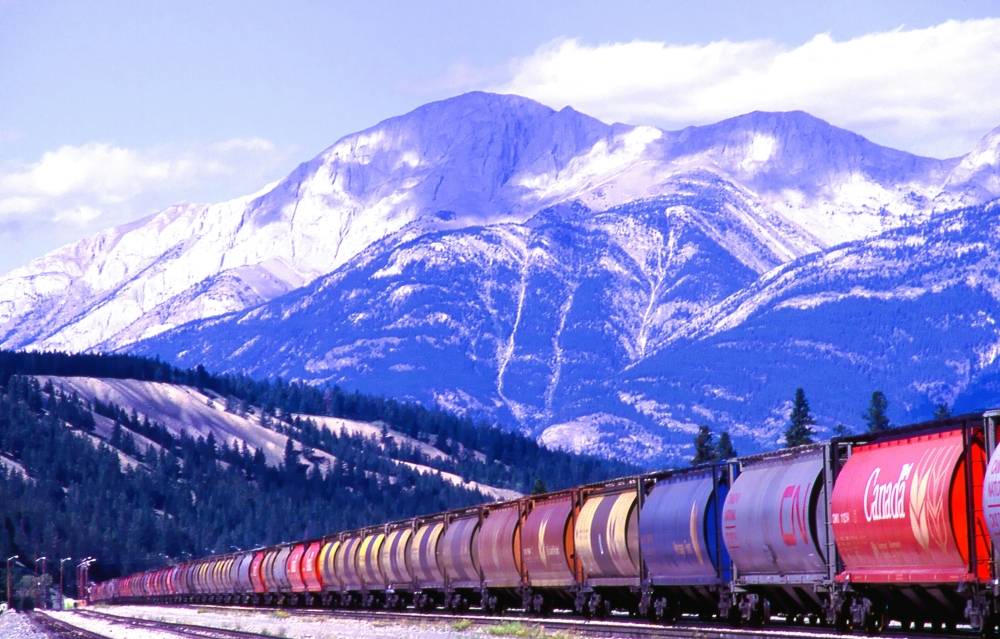
U.S. President Donald Trump's 50-percent tariffs on certain Canadian goods, implemented on August 22, have dealt another blow to bilateral trade, prompting Canada to intensify efforts to reduce its dependence on its southern neighbor. Prime Minister Mike Carney's strategy involves scouting for new markets, emphasizing domestic trade, and initiating major projects.
The two nations are deeply interconnected, with approximately 70 percent of Canadian exports heading to the United States. Prior tariffs on automobiles, steel, aluminum, and lumber have negatively affected Canada, leading to job losses and economic stagnation. Canada has even slipped into a technical recession this year, following two quarters of economic decline.
The latest 50-percent tariffs, a result of failed negotiations, impact roughly $20 billion (CAD78 billion) worth of goods, or 5.5 percent of Canadian exports to the United States. These tariffs target products ranging from hockey sticks to cement. Canadian Prime Minister Carney vowed to match the U.S. tariffs "dollar for dollar" to safeguard jobs and businesses. However, some products that were previously safeguarded under the North American trade pact, the United States-Mexico-Canada Agreement (USMCA), are now affected.
International economic law professor Richard Ouellet of Quebec's Laval University noted that the USMCA has long served as a protective shield for Canadian exports. The breach in this shield could signal more severe measures from the United States. The U.S. Chamber of Commerce predicted that the first package of 50-percent tariffs would not significantly alter overall Canadian growth, as around 80 percent of Canadian goods would still enter the United States without tariffs.
Canadian Prime Minister Carney has been focusing on diversifying economic partnerships since taking office in March 2025, aiming to lessen the country's reliance on the U.S. market. He has visited China, India, and Saudi Arabia, as well as several European destinations, to forge new trade agreements. Following the collapse of negotiations with the United States, Carney stated, "Canada has what the world wants; we will not allow any nation to determine our future."
The prime minister has already signed a preliminary accord with China, allowing for the import of electric vehicles to Canada. Canada's relations with Europe have also strengthened. Last month, Canada selected the German firm TKMS to build its new fleet of submarines. Furthermore, Canada's central bank reported that the economy showed signs of improvement, with businesses adjusting to U.S. protectionism by seeking new customers abroad.
A report from Canada's international trade minister revealed that in 2025, exports to non-U.S. markets increased by 11 percent, reaching a 40-year high of 33 percent at one point. Additionally, Ottawa has devised plans to invest C$115 billion (USD83 billion; CAD326 billion) in infrastructure and C$82 billion (CAD233 billion) in defense over the next few years.
Written by urgent.news from Malay Mail's reporting — not their text. Machine-written — may contain errors; check the original before relying on it.
Also reported by 1 other outlet
- India, Canada set to hold Finance Ministers’ Economic and Financial Dialogue hindustantimes.com