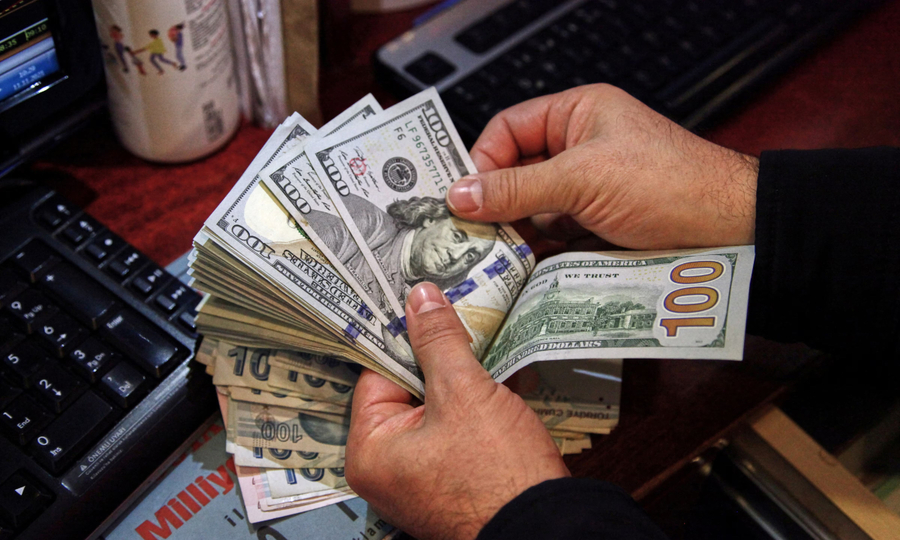
Breaking down the U.S.-Japan “currency alliance”
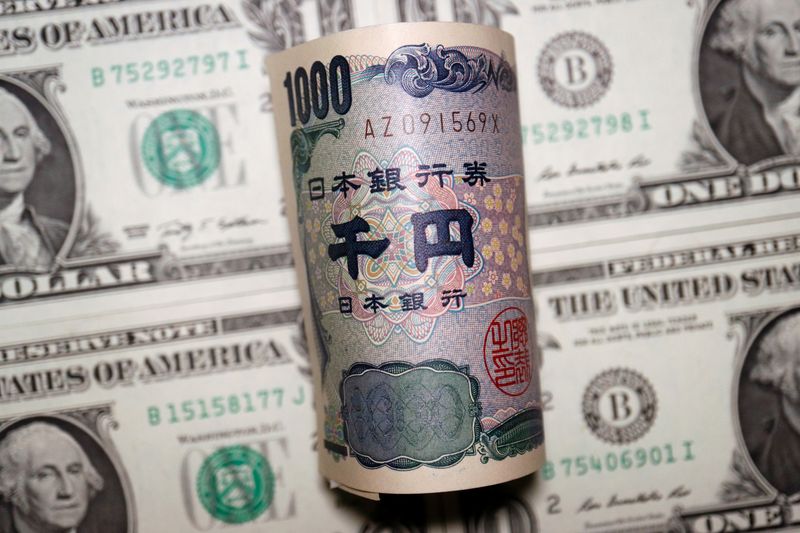
Investing.com reports that coordinated intervention by the United States and Japan indicates an informal currency alliance, according to Citi strategists. Japan's Vice Finance Minister Atsushi Mimura views the latest intervention as the final act of this alliance. While not a monetary union, the deal involves policy coordination, potentially aiding Japan's $550 billion U.S. investment program.
Treasury Secretary Scott Bessent is not pursuing a "Mar-a-Lago accord" to overhaul the international monetary system, according to Citi. Bessent might be worried that persistent yen weakness could replicate conditions from the 1990s Asian currency crisis. President Trump described the intervention as a "signal of friendship," suggesting Washington's support.
The move could also caution Japanese Prime Minister Sanae Takaichi, as her expansionary policies might put additional downward pressure on the yen. Citi believes the U.S. wants Tokyo to temper this stance. The comparison is drawn to 1998 when the U.S. initially refrained from participating in coordinated intervention as the yen weakened, leading to a drop in USD/JPY from ¥147 to ¥108 within six months after Long-Term Capital Management's collapse.
Notably, U.S. intervention included selling euros and buying yen, a temporary shift from a traditionally expensive euro to an undervalued yen. Japan might follow suit if EUR/JPY ascends to ¥185 to ¥186, according to Citi. European authorities may tolerate limited intervention post-U.S. action, though large-scale euro selling would likely be unwelcome.
USD/JPY remains the primary focus, with markets monitoring the Jackson Hole symposium (August 27-29) and G7/G20 finance meetings (August 31 and September 1) for additional policy cues.
Written by urgent.news from Investing.com's reporting — not their text. Machine-written — may contain errors; check the original before relying on it.