Boris Cyrulnik, neuropsychiatrist: ‘You can’t reason with fanatics like Trump. If you don’t think like him, you’re an idiot’
After a catastrophe, there are three possible paths, says one of the pioneers of the concept of resilience: carry on as before, vote for a dictator who promises security, or evolve and be reborn
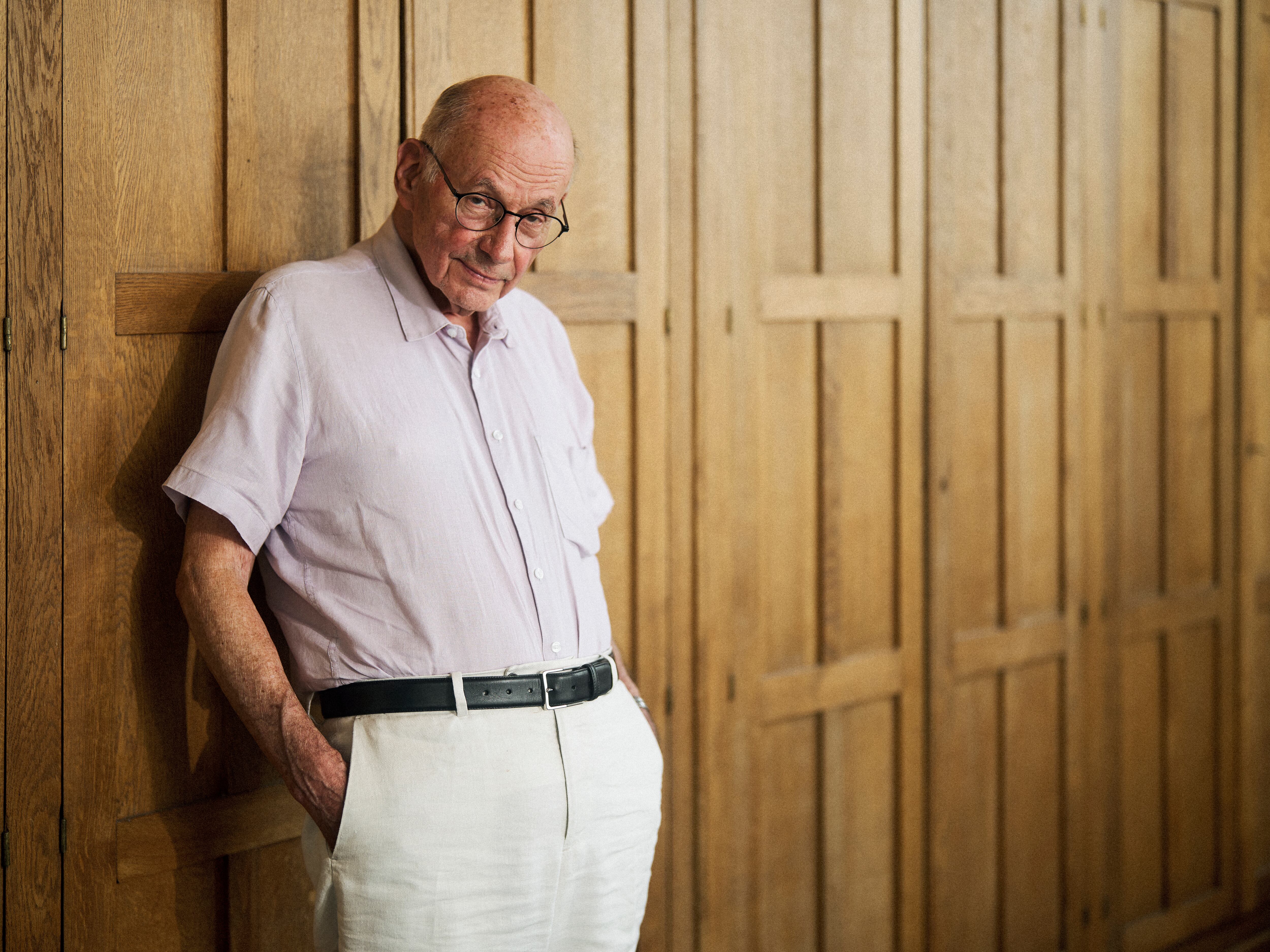
Boris Cyrulnik, a renowned neuropsychiatrist, speaks through an office door at a French editorial. His appearance is strange, his head bowed and his neck stiff, yet he smiles and jokes, displaying his usual irony. Born as a Jew, Cyrulnik faced persecution by German officials at the age of six, spending years hiding to survive while his parents were deported to Auschwitz. He has since become a leading figure in the concept of resilience, having spent his life studying how individuals recover from trauma.
Cyrulnik's work began with his personal experience of trauma and has since expanded to advising French President Emmanuel Macron and leading the 1,000 Days Committee. This committee focused on understanding how early life experiences shape a child's development, emphasizing the importance of emotional bonds between mother and father. In his book, "Quand l'amour devient attachement" (When Love Becomes Attachment), Cyrulnik explores this theory further.
Despite his resilience, Cyrulnik has an uncanny ability to foresee future trends using scientific data about younger generations. However, he warns that recent trends in society may lead to dangerous paths. After discussing the concept of resilience and its application to human nature, Cyrulnik draws parallels between historical catastrophes and the current state of society, highlighting the potential for authoritarian leaders to emerge in disorganized societies.
Written by urgent.news from El Pais English's reporting — not their text. Machine-written — may contain errors; check the original before relying on it.