Blocks smaller than tennis courts allowed under Brisbane planning changes
The council is expecting the changes to clear the way for terrace-style housing and townhouse developments on blocks, which can be as small as 120 square metres.
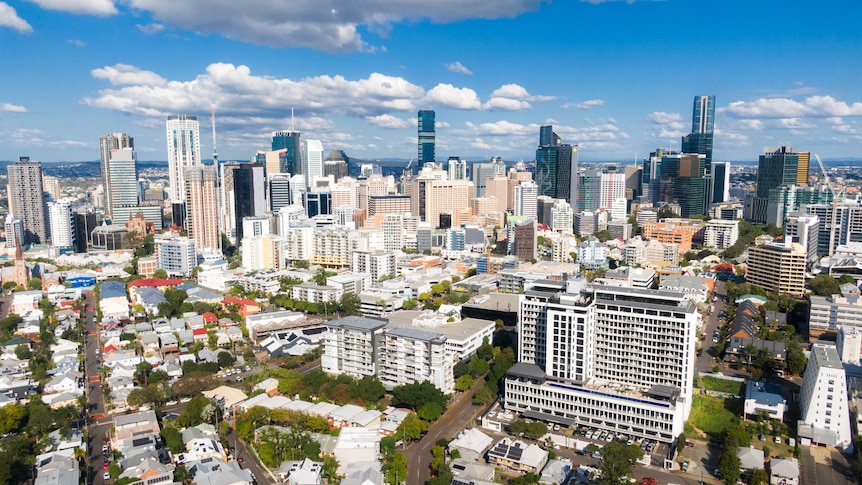
The Brisbane City Council has approved amendments to its planning laws, allowing for smaller lots and taller buildings in certain suburbs. This move aims to generate thousands of new homes and provide alternative property types in desirable locations. The council is under increasing pressure to address housing supply as Brisbane's population expands.
Minimum lot sizes in some suburbs will be reduced to just 120 square meters, though some industry insiders argue the measures may not be sufficient. The changes, passed on Tuesday, apply to low-medium density areas, which make up about 14% of the city's residential land. Councillor Adam Allan, who oversees the planning committee, emphasized that these areas are already near public transport, services, and shops, making the implementation of higher density suitable.
An auction in Petrie Terrace, characterized by small block sizes, yielded a record price for a tiny lot, with a 185-square-meter plot selling for $855,000. Real estate agents believe this sale could set a new benchmark for such land. The council will also ease subdivision rules and height limits, permitting lots to be split into 300 square meters if within 300 meters of a shopping center, up from 200 meters currently.
Building heights will rise to either three or four storeys based on block size and location. While some parking, street tree, and site cover regulations will persist, parking requirements will be eased in key locations. Allan stated that the objective is to "reinvigorate the opportunity for more housing" and assured that infrastructure would keep pace with development.
The council anticipates that taller terrace-style houses, townhouses, or units will be the primary structures built on these smaller lots. Industry experts agree that the reforms will be appealing, particularly for smaller builders and developers, rather than large corporations. However, urban planning expert Rachel Gallagher cautions that additional measures may be necessary to fully address housing needs, given the practical challenges posed by the new lot sizes, including parking and frontage requirements.
Written by urgent.news from ABC News AU's reporting — not their text. Machine-written — may contain errors; check the original before relying on it.