AI slop is good for business if you know what you're doing
Your irresponsibility is someone else's opportunity
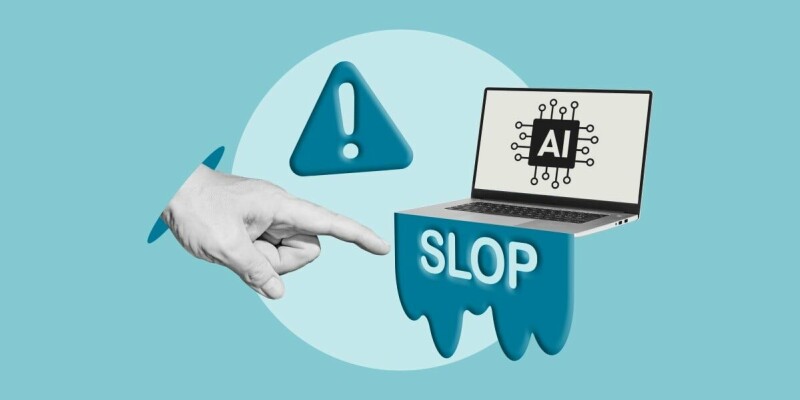
Amazon's founder, Jeff Bezos, once stated that "your margin is my opportunity." Exchange the word "margin" for "irresponsibility" and apply it to AI-driven software development. Coding agents or AI models can make mistakes, and many users using these tools compound the errors by asking their AI helper to construct software without the requisite knowledge to create proper software.
This has given rise to a burgeoning industry – AI slop sanitation. One example is Slopfix, a trio of senior engineers who refactor vibe-coded codebases to make them maintainable.
Konstantin Klyagin, the founder of Redwerk and QAwerk, shared that an increasing number of clients are requesting assistance in fixing vibe-coded applications. With the advent of generative AI, customers are seeking help with their applications, but Klyagin emphasizes that simply reducing the amount of code lines is not a fair criterion for software success.
The crucial aspect is how the business logic is implemented and how the app manages arbitrary user behavior, including validation, security issues, and accessibility for screen readers.
Klyagin highlights that code duplication is a common issue. In a recent review for a New York-based client, his company found duplicate payment paths, where the price on the app's front page differed from the number presented during the onboarding flow. Additionally, there were problems with permission handling, allowing users to bypass necessary steps like creating a profile. The test coverage was also insufficient.
While technically savvy company founders typically understand the importance of setting up proper architecture and practices for maintainable apps, those without software development experience often lack this knowledge. Klyagin notes that clients usually seek code reviews and refactoring when planning to acquire an application.
However, with the rise of AI-assisted coding, there's a growing need for QA and bug fixing. Klyagin's company utilizes AI to help manage the additional workload, enabling faster development and the ability to ship more features. Nevertheless, Klyagin stresses that discipline remains essential, and clients must still specify their requirements, test the applications, and ensure discipline is applied.
Written by urgent.news from The Register Science's reporting — not their text. Machine-written — may contain errors; check the original before relying on it.
This story
This is one outlet's version. Read the fullest account.
- AI slop is good for business if you know what you're doing theregister.com