AI has young writers between a rock and a hard place
Buzzwords, clichéd phrases, formulaic sentences, and most notoriously—the use of the em dash. These are all signs readers and writers alike have learned to look out for when trying to spot whether something was written by AI . Authors and journalists have faced the brunt of this trend, with accusations of AI use increasing as AI becomes more normalized . Tools can sniff out artificial…
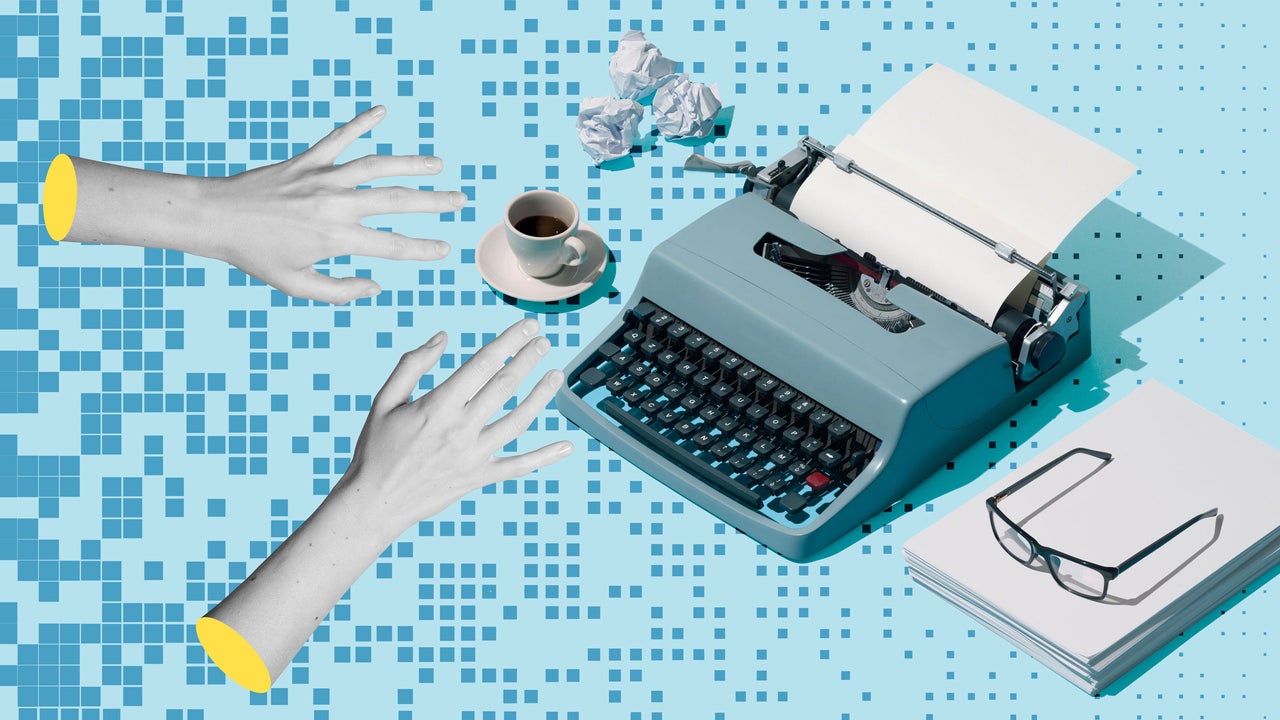
Writing by artificial intelligence has become a double-edged sword for young authors navigating the increasingly competitive world of journalism and creative expression. Buzzwords, clichéd phrases, formulaic sentences, and the ubiquitous em dash have become telltale signs that text may have been generated by AI. As AI becomes more prevalent, authors and journalists have faced a growing wave of accusations regarding its use. While tools exist to detect AI-generated content, they are imperfect and often unreliable.
The Society of Authors reports that 20% of fiction writers and 25% of nonfiction writers utilize AI in their work, but a majority of these creators believe that AI poses a significant threat to their future income. Young writers like Alex Del Cueto, a recent graduate and arts journalist, are especially concerned about entering the workforce during the AI surge.
The technology complicates an already tough job market, leaving young writers in a state of uncertainty. They must decide whether to use AI to remain competitive or abstain to uphold trust with their audience.
Concerns about the potential negative impact of AI on writers' reputations and mental health have grown as well. Fake quotes and chatbot-generated prompts have led to distrust between readers and writers. When readers encounter anything unfamiliar, they may quickly label it as AI-generated, often as an insult rather than a legitimate criticism.
This can result in harassment of creators and a detrimental impact on their careers. Young writers fear that they may be replaced by AI, forcing them to shy away from common writing practices like using em dashes or signaling their lack of association with AI through their writing style.
Barb Kay, a journalism student, acknowledges that using AI can carry a stigma and be discouraging. She expresses skepticism towards her peers who utilize AI and worries about the potential loss of human connection and journalistic integrity. Despite the growing concerns, many professionals still use AI for various purposes. They might use it to edit their work due to busy schedules, limited budgets, or the need for quick content production.
As AI becomes more accessible, platforms like River AI have gained popularity, enabling writers to edit and proofread large projects using AI tools.
The rise of AI poses challenges for up-and-coming writers, but they seem determined to prove that human creativity and connection cannot be replaced. While skepticism about AI's potential harm is high among younger generations, its use continues to increase. Traditional media outlets, under financial pressure, may prioritize output over quality, making AI an attractive option for some.
As the fear of AI replacing human writers persists, many journalists and writers are striving to maintain their unique voice and establish their identity in the face of this evolving landscape.
Written by urgent.news from Fast Company's reporting — not their text. Machine-written — may contain errors; check the original before relying on it.