AI-Generated Children’s Stories Contain Bizarre Patterns
"The same tropes kept coming up." The post AI-Generated Children’s Stories Contain Bizarre Patterns appeared first on Futurism .
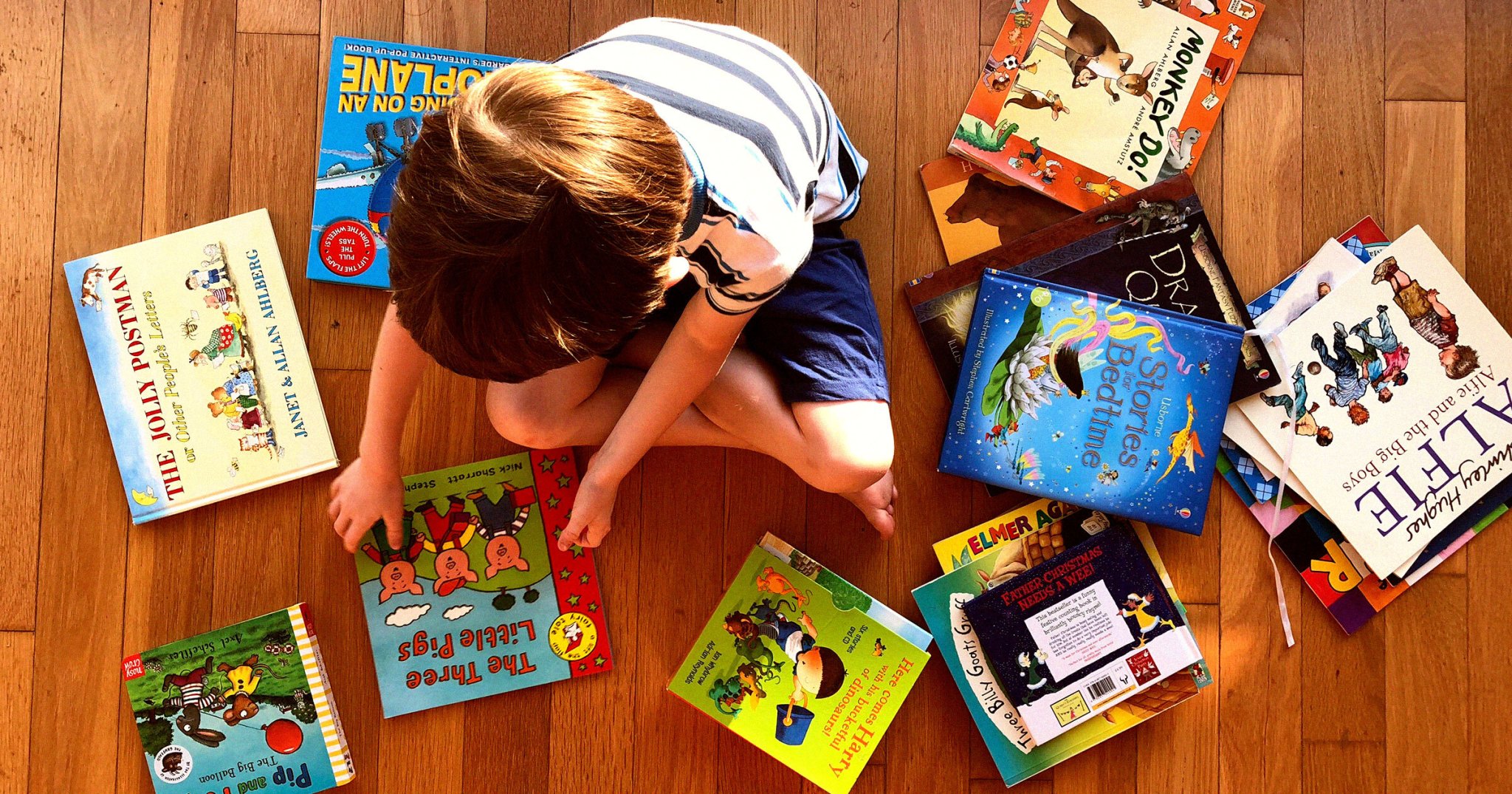
Recent research has uncovered strange biases in AI-generated children's books, particularly when it comes to the gender of animal characters. A study led by Melanie Walsh, an assistant professor at the University of Washington, found that AI models tend to favor male pronouns when describing talking animals, with female characters being almost entirely absent.
Only 2% of animal characters were described as female in the AI-generated texts, while 41% were labeled male. This is concerning, as some animals were consistently associated with specific genders – bears were male, and cats were female, for example. Similarly, a survey of 1,300 adults revealed a preference for male pronouns in describing talking animals.
The AI models used gender-neutral language or referred to the animal’s name 57% of the time, while only 2% described female characters. The absence of female animal characters, Walsh explained, is not just an amplification of human biases but an inversion of them into unexpected forms. The study also observed a repetition of certain story tropes, such as wise old animals gathering around a fire.
These findings raise concerns about AI's impact on children's storytelling and the potential alienation of young readers, as highlighted by Michelle Martin, a professor at UW Information School.
Written by urgent.news from Futurism's reporting — not their text. Machine-written — may contain errors; check the original before relying on it.