ACEP warns frequent power trips expose weaknesses in Ghana’s transmission system
The Executive Director of the Africa Centre for Energy Policy (ACEP), Benjamin Boakye, has raised concerns over the increasing frequency of nationwide power system trips in Ghana, warning that the recurring blackouts point to deeper weaknesses in the country's electricity transmission infrastructure.
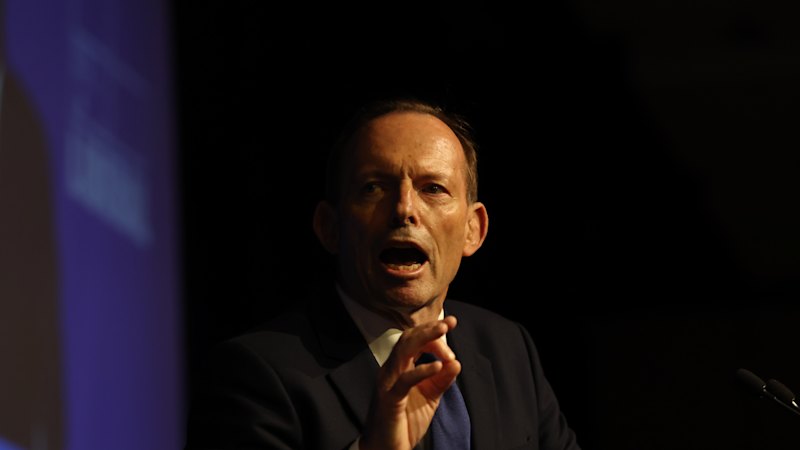
The Executive Director of the Africa Centre for Energy Policy (ACEP), Benjamin Boakye, has expressed alarm over the recurring power system trips in Ghana, attributing the issue to deficiencies in the country's electricity transmission infrastructure. During an interview on JoyNews, Mr Boakye noted that while power system trips are not uncommon, even in advanced markets, Ghana's frequency of such occurrences has become increasingly worrisome.
"It’s quite disturbing to have these number of trips in a short period of time," he remarked, emphasizing that the issue lies not just in the occurrence of isolated faults, but in the growing number of system disturbances within a short span. The Ghana Grid Company Limited (GRIDCo) and technical teams are actively addressing the problem in the Akosombo area.
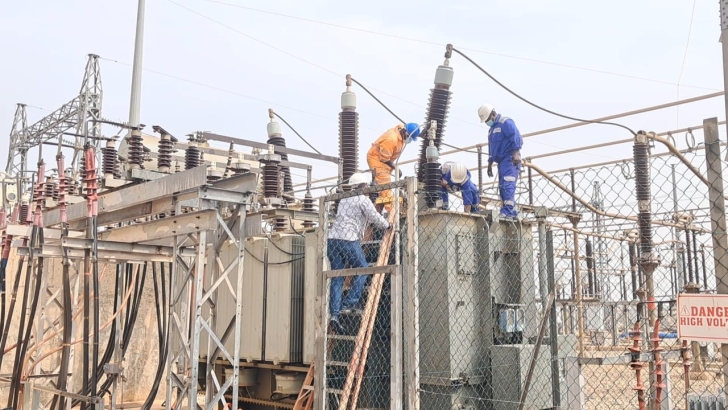
Mr Boakye highlighted the need to enhance protection systems around this region to prevent a localized fault from triggering a broader system collapse. However, he underscored that addressing the immediate fault is not enough; underlying system issues must also be tackled. One such issue is the disparity in capacity between 161-kilovolt and 330-kilovolt transmission lines.
When a major 330kV line experiences a failure, the load is transferred to the 161kV line, which may struggle to handle the increased demand, potentially causing additional outages. Boakye advocated for rapid isolation mechanisms for specific generation plants when a 330kV line trips, to prevent the remaining infrastructure from being overloaded.
"We need to really find immediate solution for making sure that we can isolate some generation plants quickly when the 330kV line trips," he stressed. The executive director also called for measures to strengthen and expand Ghana's transmission network, including developing additional high-voltage transmission routes. This would provide alternative paths for electricity flow if a major line goes down, thereby reducing the risk of nationwide blackouts.
While occasional disturbances are expected, the concern lies in the frequency and scale of recent incidents. Boakye recommended pursuing immediate interventions alongside long-term investments to bolster the network's resilience, including installing an extra 330kV line from the Akosombo area, which could have provided an alternative route during transmission failures.
Written by urgent.news from MyJoyOnline Ghana's reporting — not their text. Machine-written — may contain errors; check the original before relying on it.